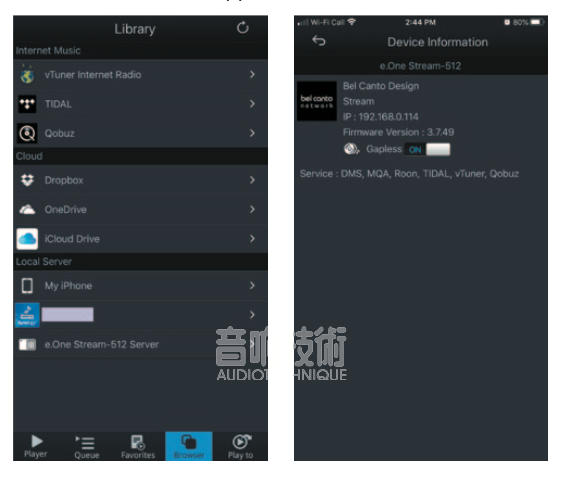
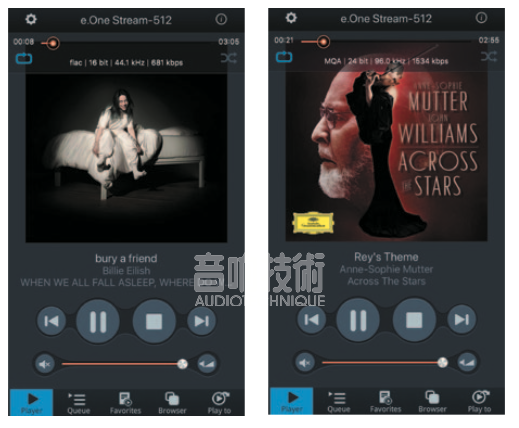
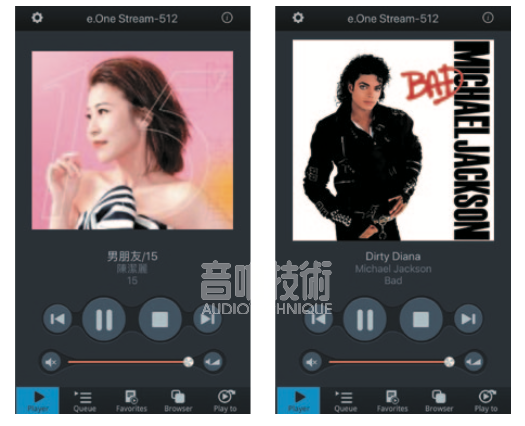
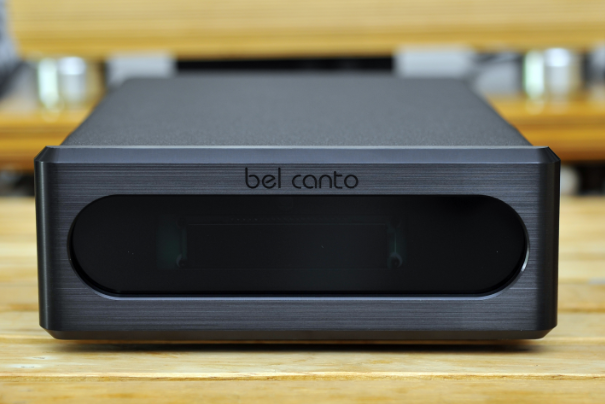
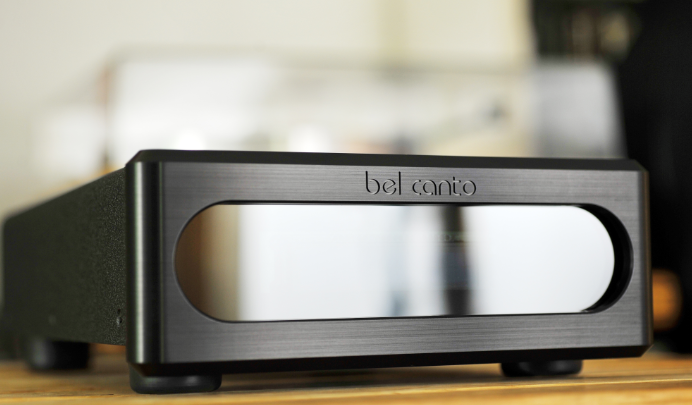
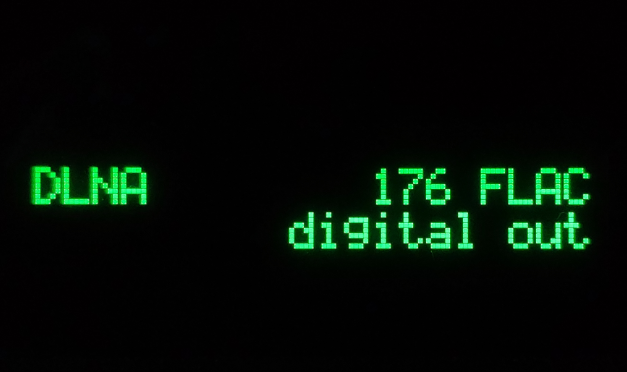
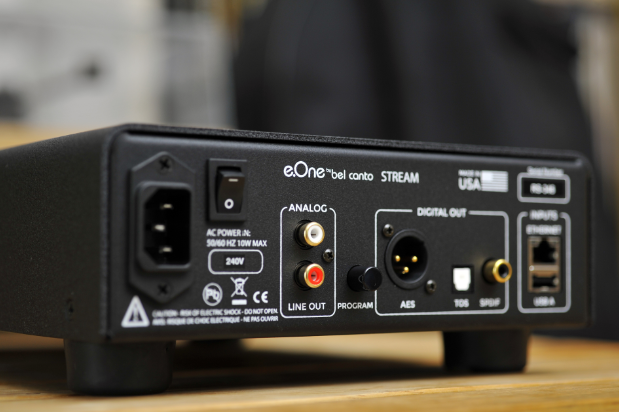
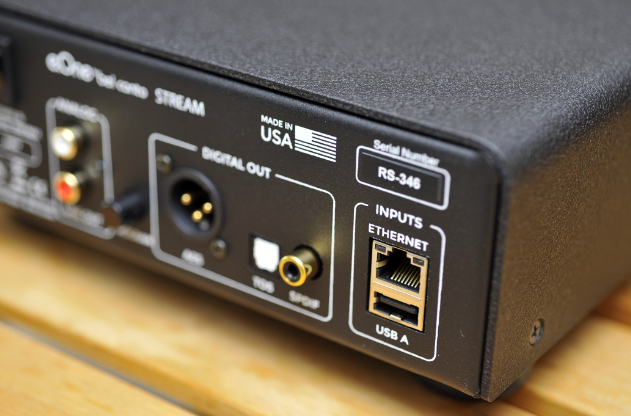
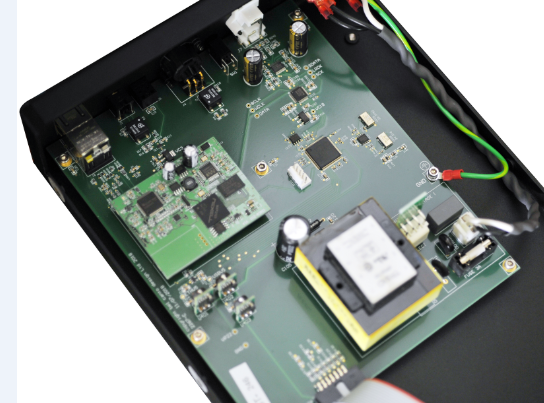
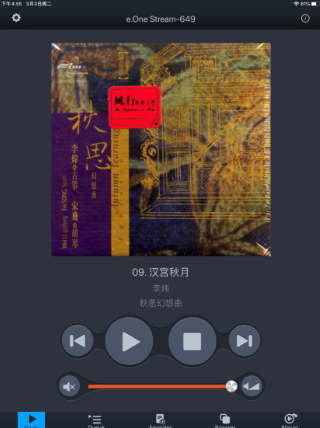
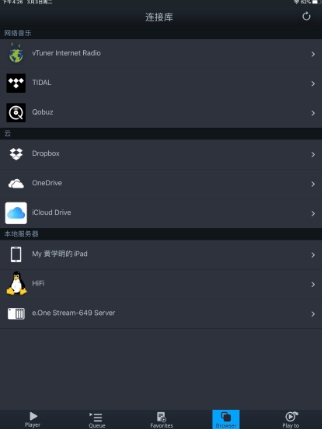
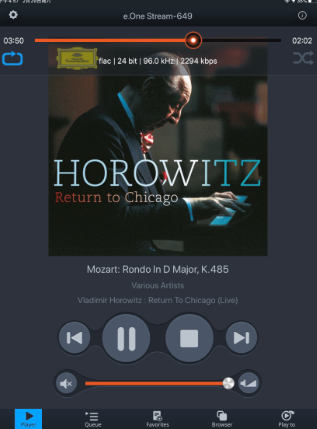
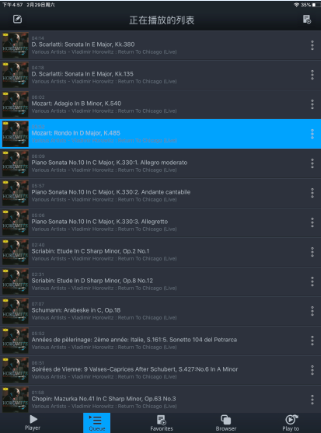
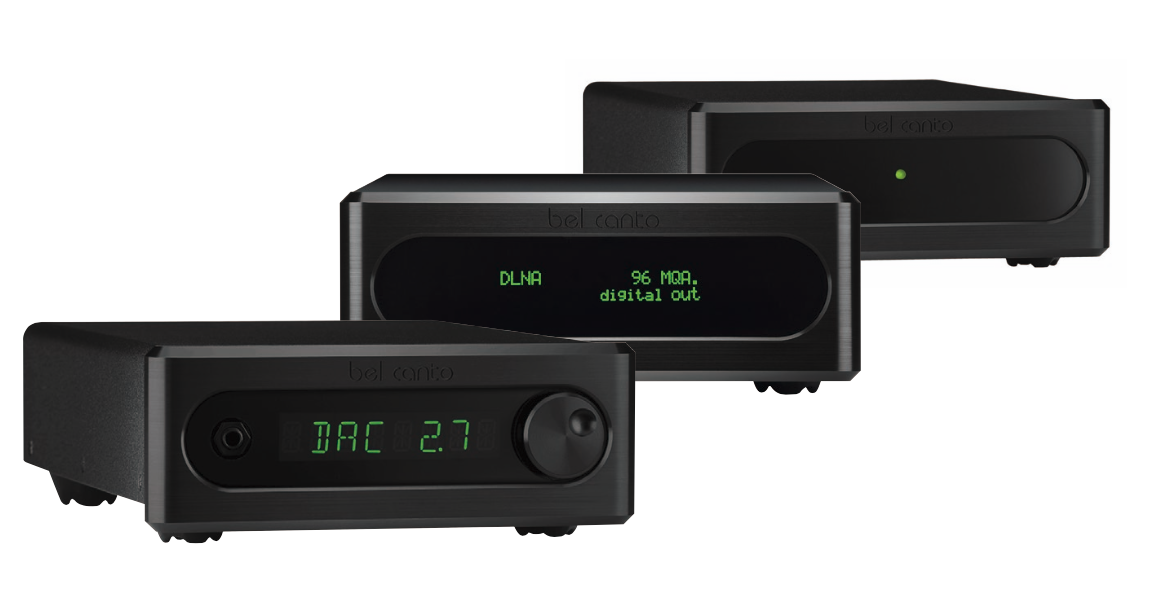
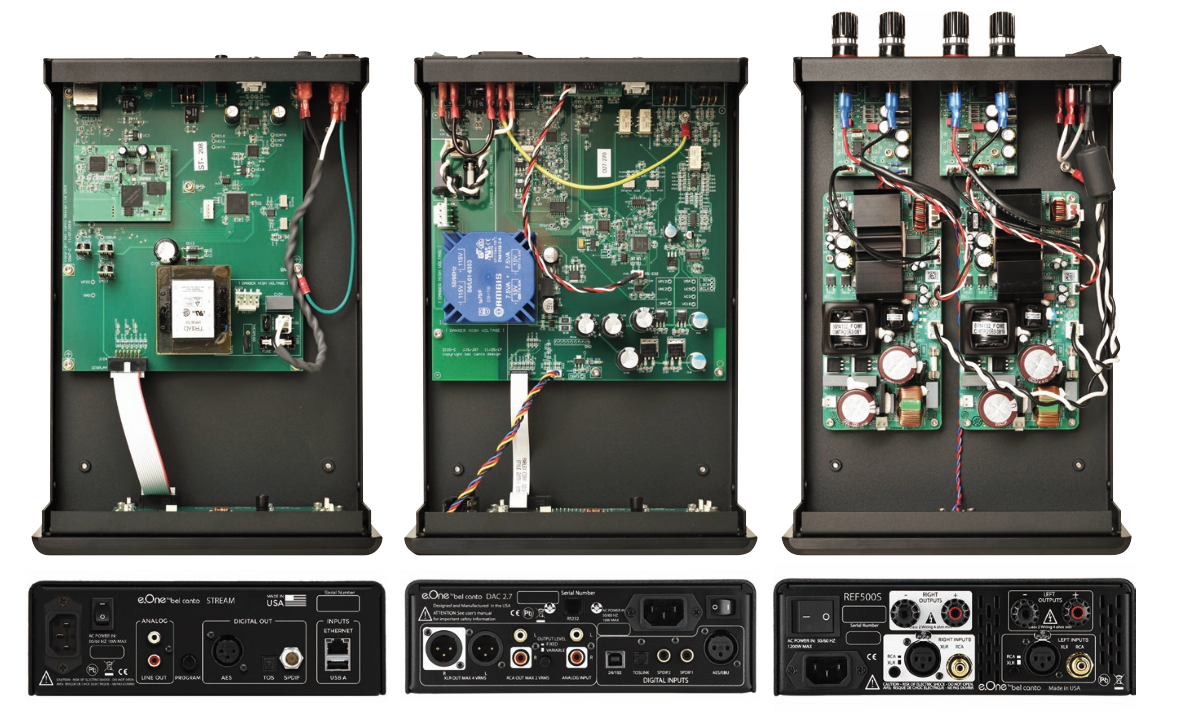
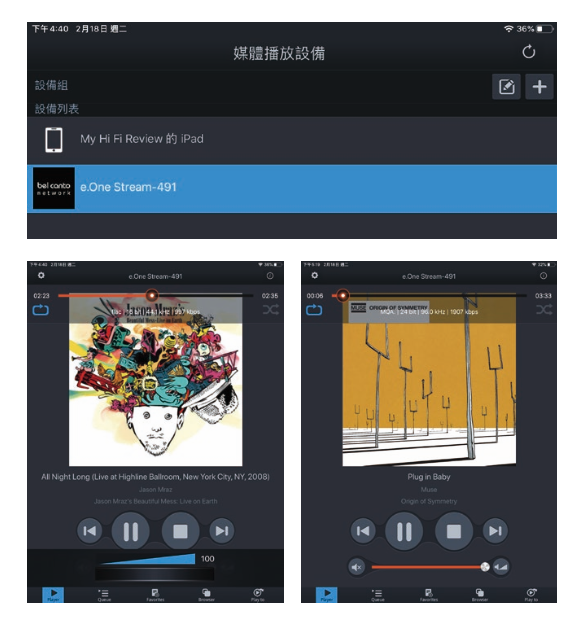
論及操作反應,Stream 讀歌的速度不算慢,由 USB 端子點播歌曲固然是爽快,但經過網線進入我的 “龜速” NAS,再要打開兩個資料夾才看到數百張專輯,竟然不需要呆等,由點選歌曲至聽到音樂只是 10多秒,其後我嘗試多次退出 NAS,轉為在 USB 手指及 TIDAL 胡亂點播歌曲,用意是測試本機與 App 的溝通是否順暢,結果它被折騰了一會才偶有些微停頓,但很快又回復正常速度,出現這情況我覺得很合理。至於聲音表現,在我估計當中,播放的最佳效果順次序應是 USB 手指,然後是 NAS 和 TIDAL,而我對聲音的標準是先聽低音有否鬆散,其次是留意人聲咀形的聚焦及清晰度,還有整體音場是否有擠壓感覺,實測得出的結果,我感覺三者的效果頗為接近,譬如說在 TIDAL 播放 Billie Eilish 或是 Michael Jackson 這類重低音流行樂,低頻量感表現得源源不絕,扎實程度之高是稱得上拳拳到肉!這是證明機內的時鐘產生的抖動極輕微,常遇到的誤差情況是低音欠缺凝聚力,聲音迷糊鬆散,播放串流而聽到低音有狠而快的表現,我只會說是達到標準的一半,若能通過絃樂的測試,那就是真正達標了,這部份由 Anne-Sophie Mutter [Across The Stars] 專輯來考驗本機,老實說,以面前這套組合,斷不會播出絲絲幼滑的聽感,畢竟器材的取態是大眾化,沒可能把 Hi End 器材的標準放諸於它們身上,然而,除此以外,聲音質感、密度,甚至前後距離感,通通都有清楚交代。我明白很多 TIDAL 用家視它為背景播放音樂,若您也認同的話,那麼 Stream 會讓您感受到驚喜。
率直與圓滑之間
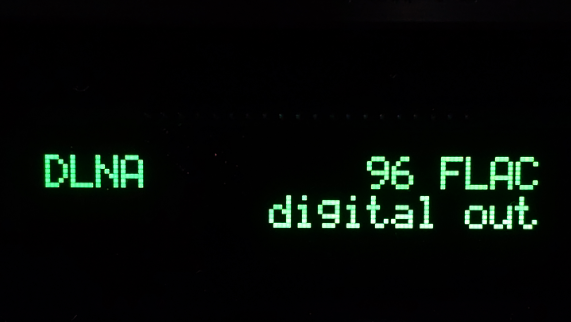
值得再三提出是數碼或模擬輸出,均可於 App 內調節音量,以方便論確是不錯,但要看搭配的器材,假如是擴音機或解碼器,把音量全開較為合適。另外,數碼輸出不支援DoP,所有 DSD 格式音樂會被轉為 88.2kHz輸出,基於 DSD64 本來就是 44.1kHz的64倍,因此,降低取樣率是沒問題,這做法更可配合一般 AV 擴音機或舊款解碼器。在本次測試中,印象較深是播放 Supper Moment〈撼動〉和陳潔麗的(男朋友),兩首歌分別存在 NAS 及 USB 手指,播放時同樣不覺聲音毛躁,而整體的從容度亦貼近 K-03 播放 CD 的效果,播〈撼動〉時更感覺有浸較為低沉的量感滲出來,這意味著 Stream 的還原度是不俗,關鍵是重播器材能否輸出這浸能量呢?而 D 類放大就可輕易釋出震撼感,即使喇叭的單元不算大直徑,在聽感上容易令人覺得量感豐富,同樣的情況亦出現於播放人聲慢歌,串流音樂最為發燒友所詬病是聲音過乾,播放人聲似欠缺潤澤質感!本機卻造到不膩不乾,結他聲有預期的彈力之餘,女聲也覺是有厚度質感,它的高音部份是圓滑而非尖削,總之是聽不到像 “吱吱” 響的口水聲或所謂的齒音,讓人聽得愜意。
工薪族音響迷還在抱怨高級音響太貴、可望而不可及嗎?家裡珍藏大量 CD 碟片的音樂迷還在抱怨優秀的歐美品牌入門級CD機已經難覓蹤影了嗎?
新晉年輕玩家還在猶豫擁抱 CD 機的懷抱還是緊跟數碼文件播放的潮流嗎?英國音響傳統老牌 CREEK 朗泉告訴你,他家的 Evolution 50CD 機可以一次過滿足你三個願望。
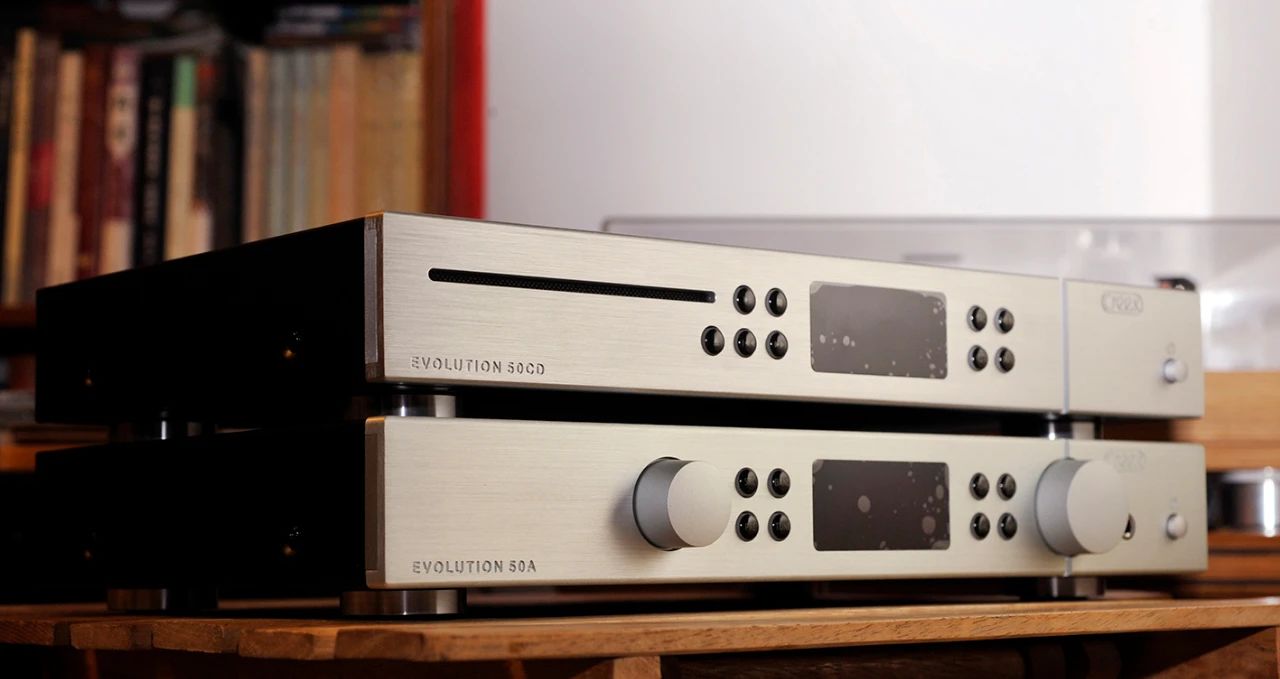
CREEK 朗泉 Evolution 50CD 雖然並不是新型號,但經歷過時間的考驗后,我們發現它依然是當下歐美品牌中,集 CD 播放和 USB、同軸、光纖解碼於一身的一款非常靠譜的選擇。關鍵是,並不需要高昂的價格就能夠獲得純粹、甜美的 “英國聲”,以及依然不落伍的綜合指標,通過內置兩枚英國歐勝公司頂級的 24Bit/192kHz 規格的 DAC 芯片,工作在雙差分模式下發揮出最大的性能。朗泉的資深工程師 David Gamble 負責 Evolution 50CD 的整體設計和開發,在保持與早期的朗泉產品一脈相承的基礎上,一機玩轉 CD 和數碼播放,大概在市場上同價位很難找到對手了。
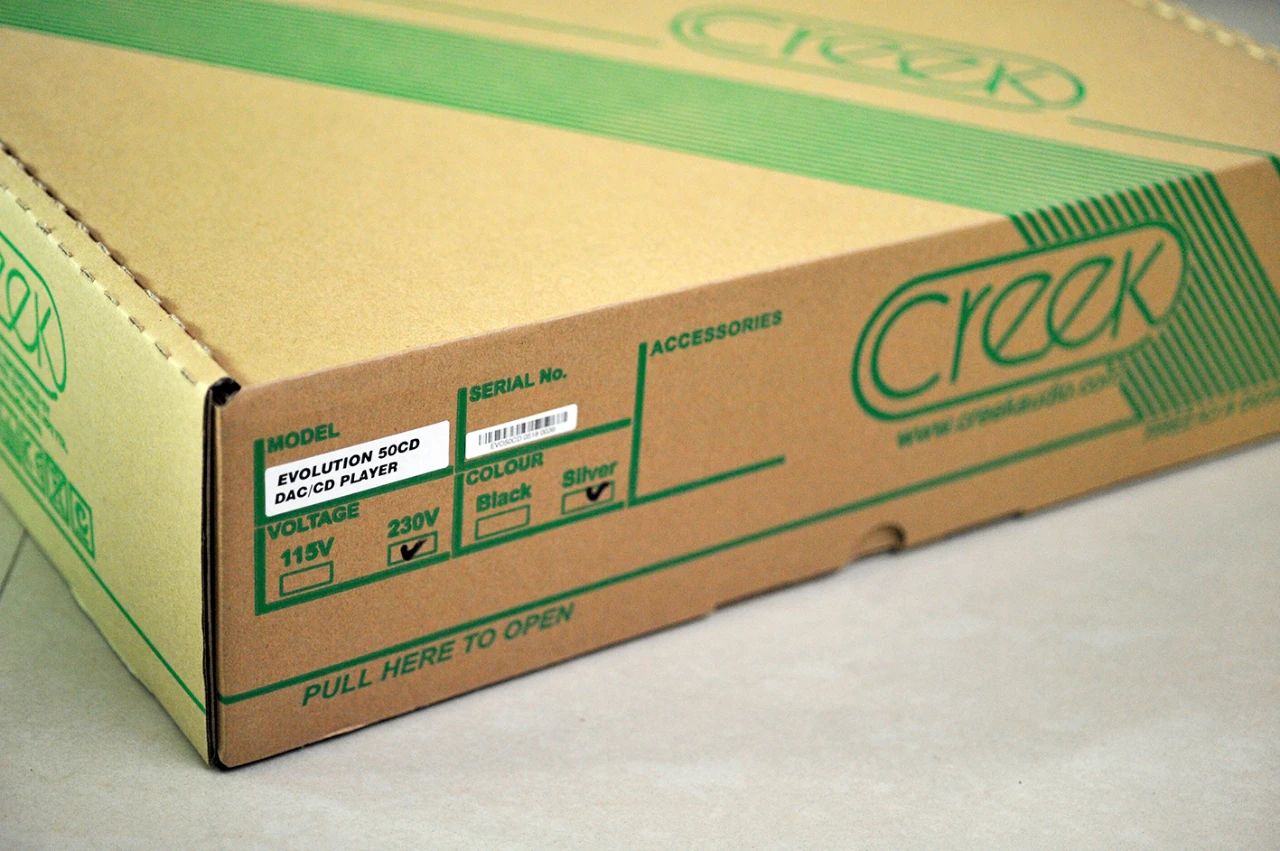
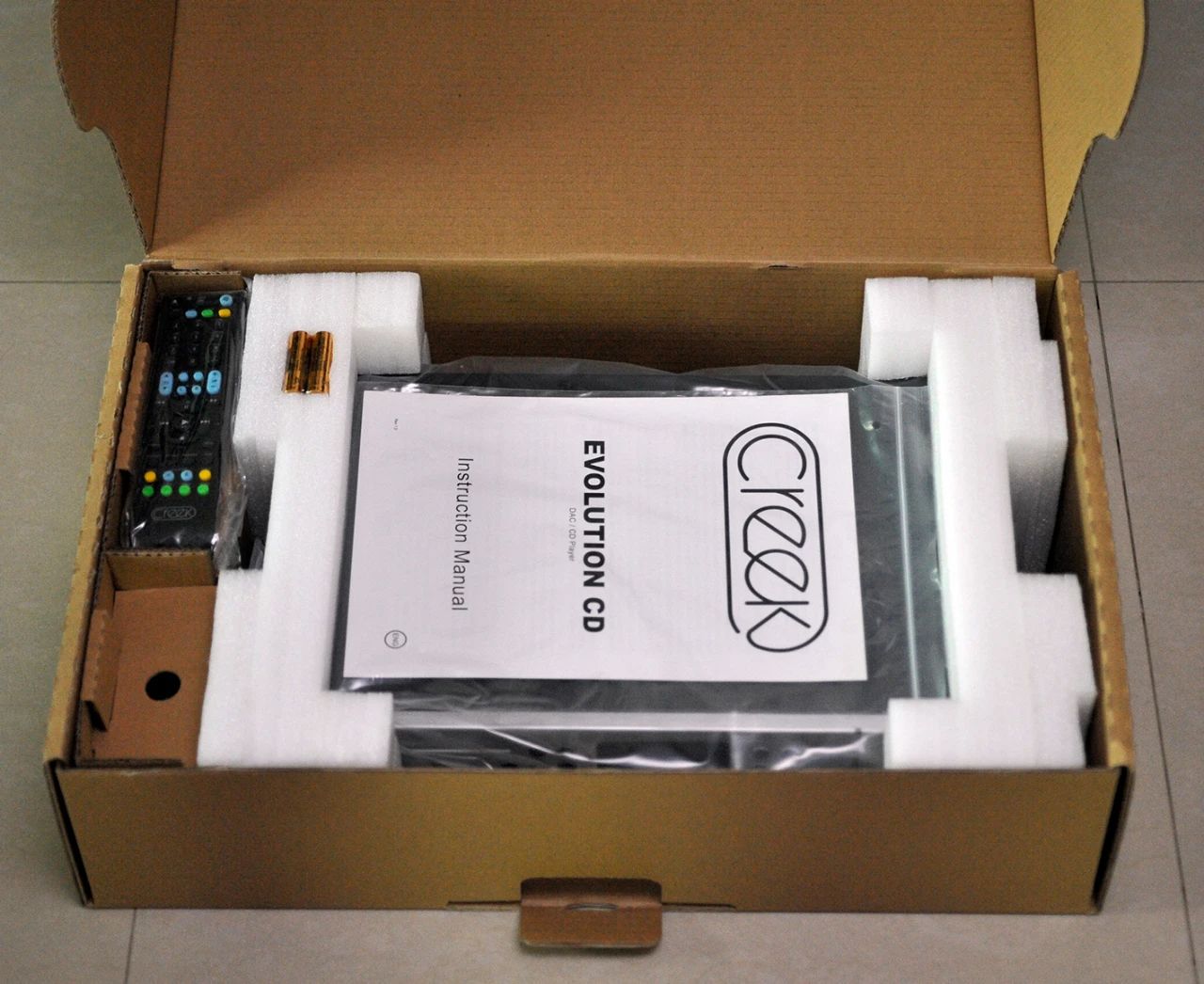
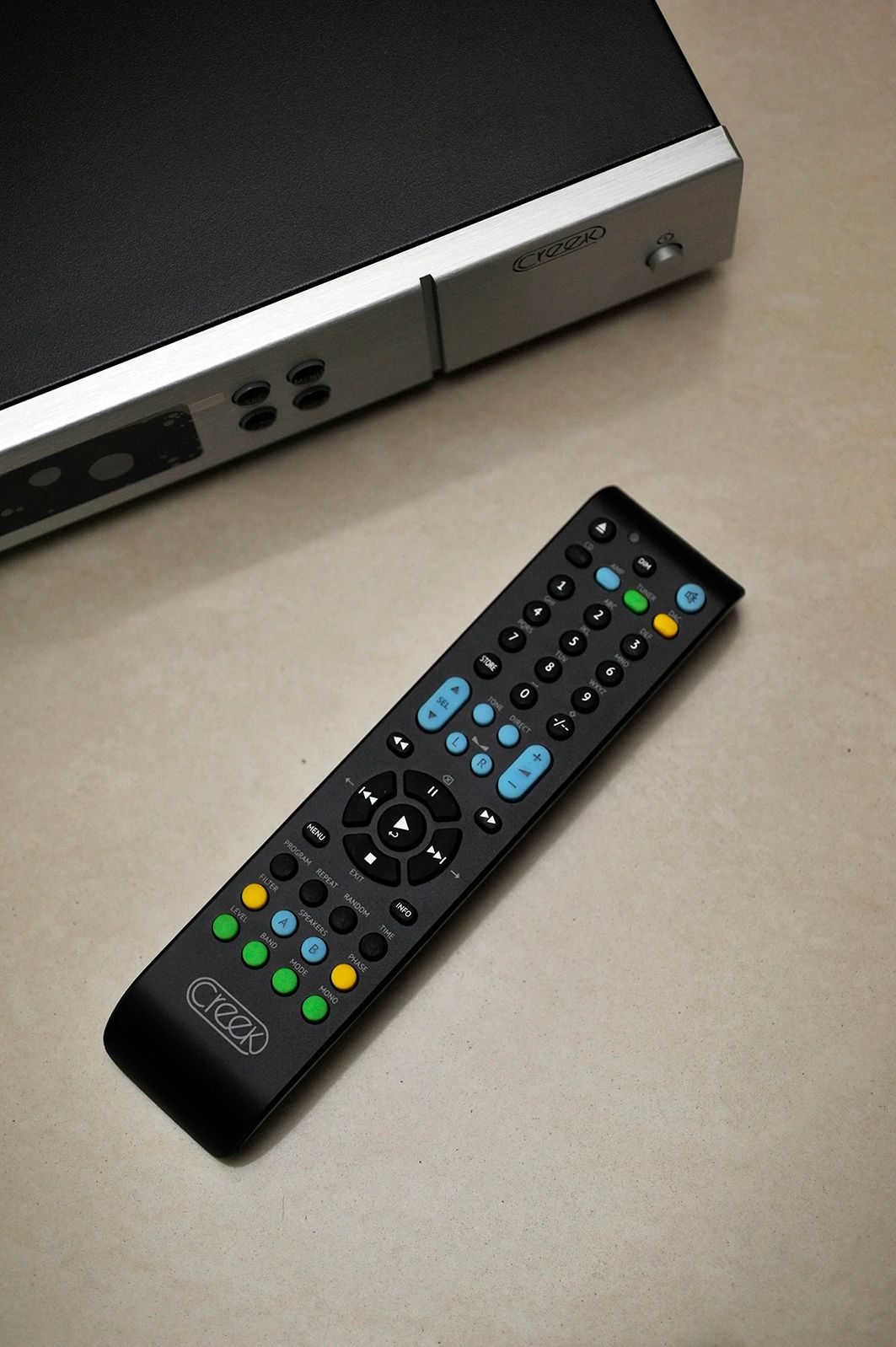
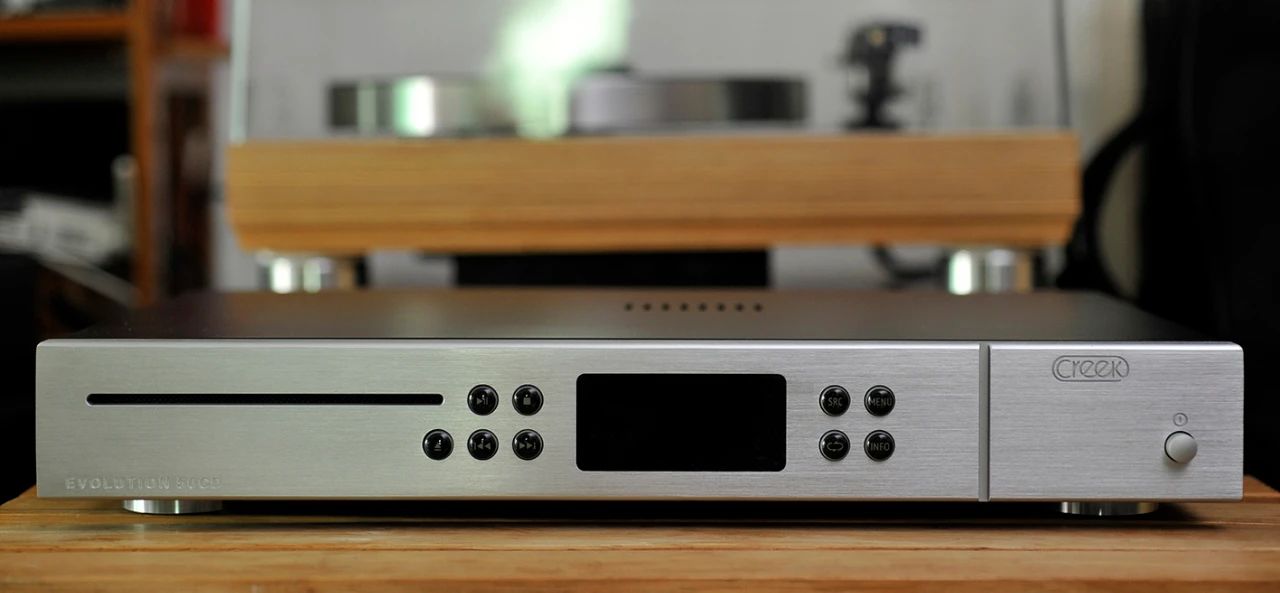
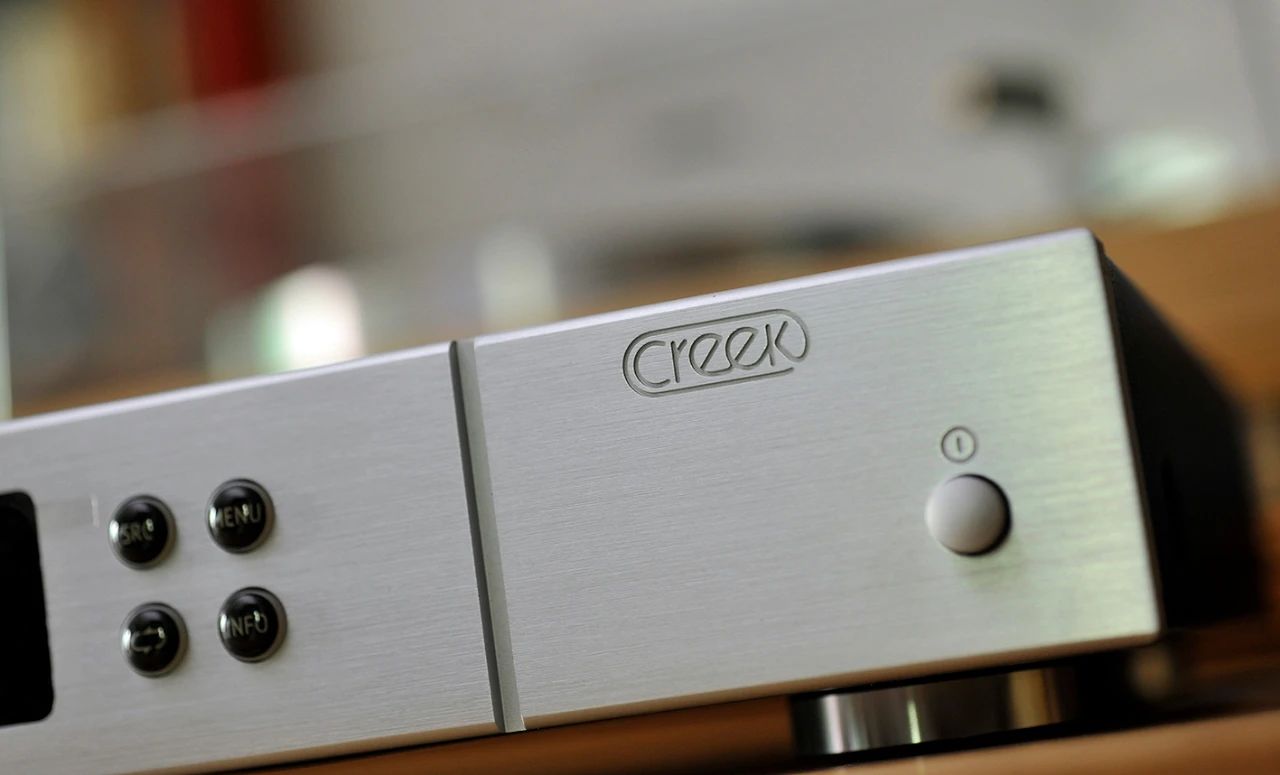
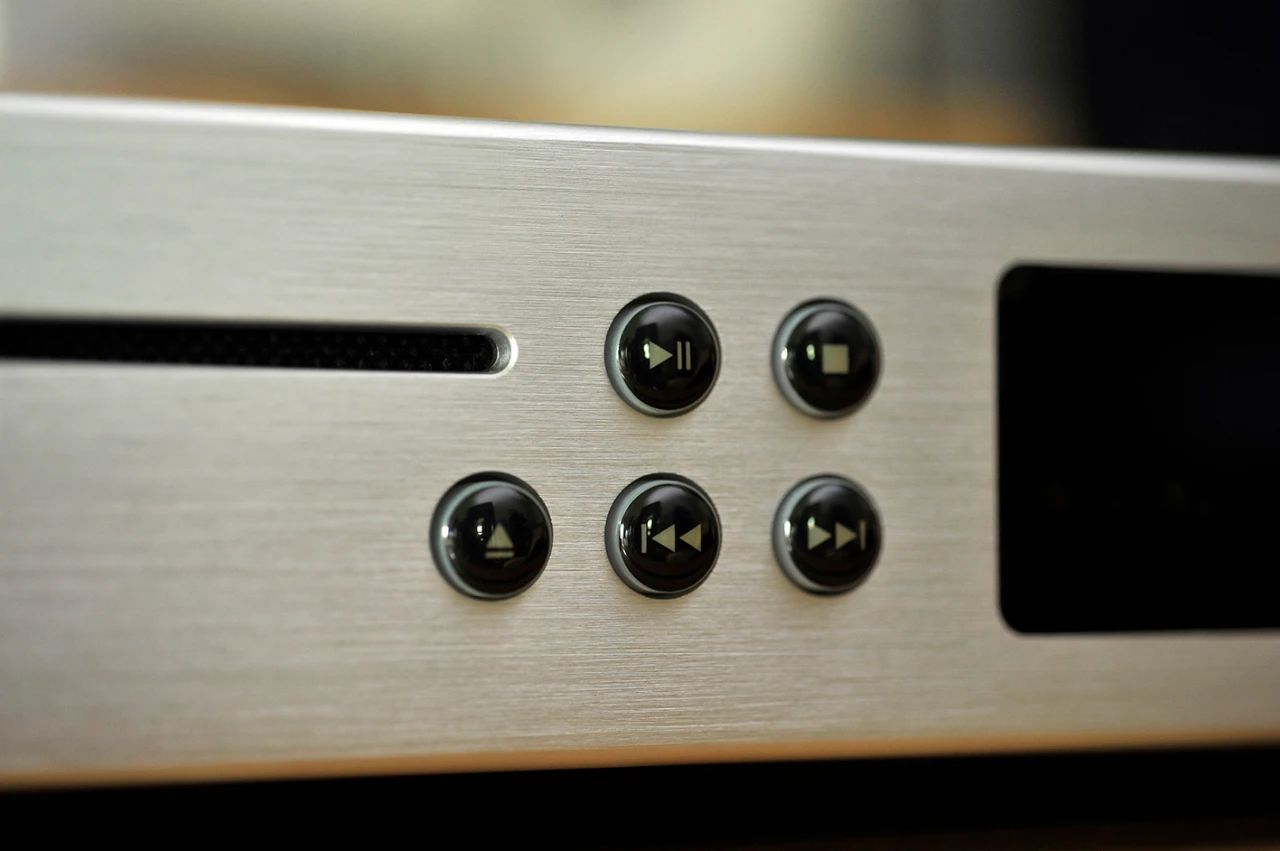
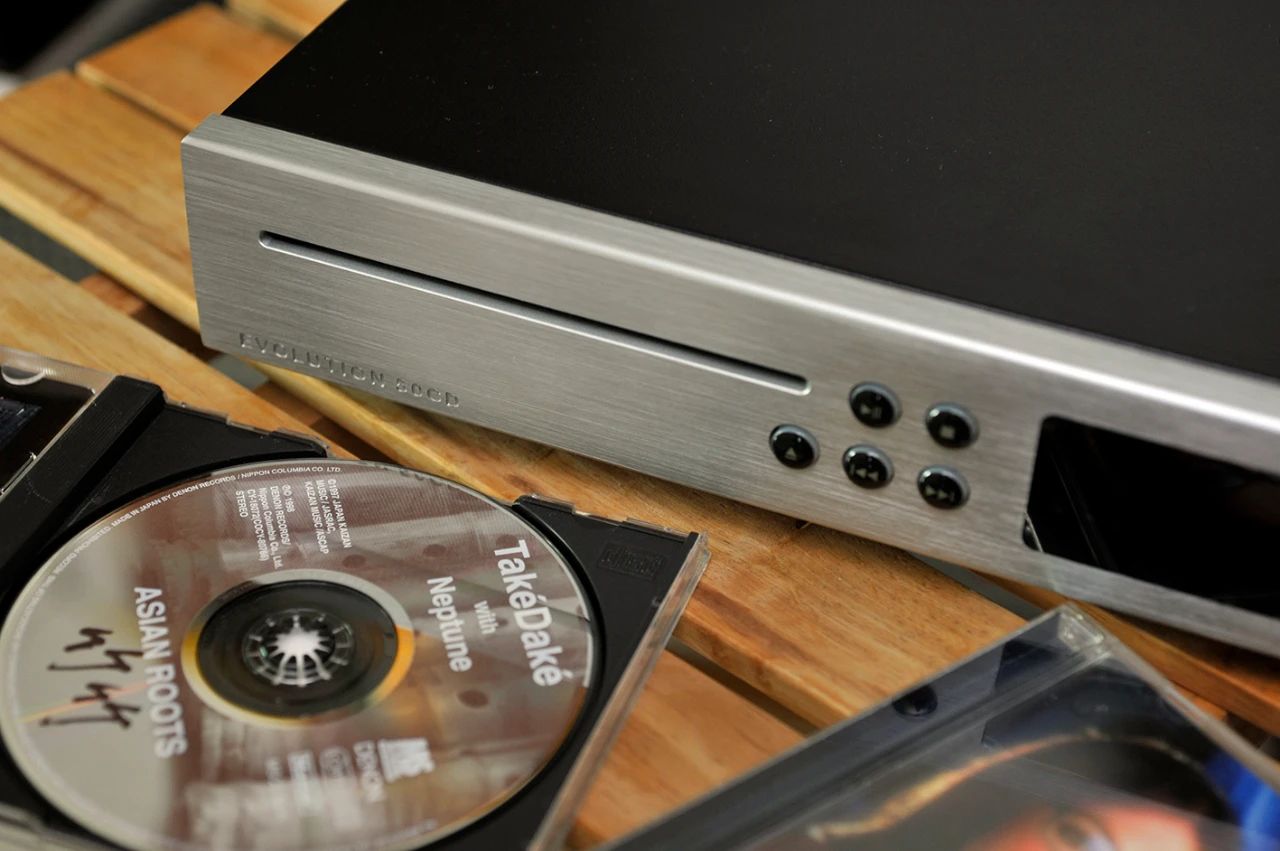
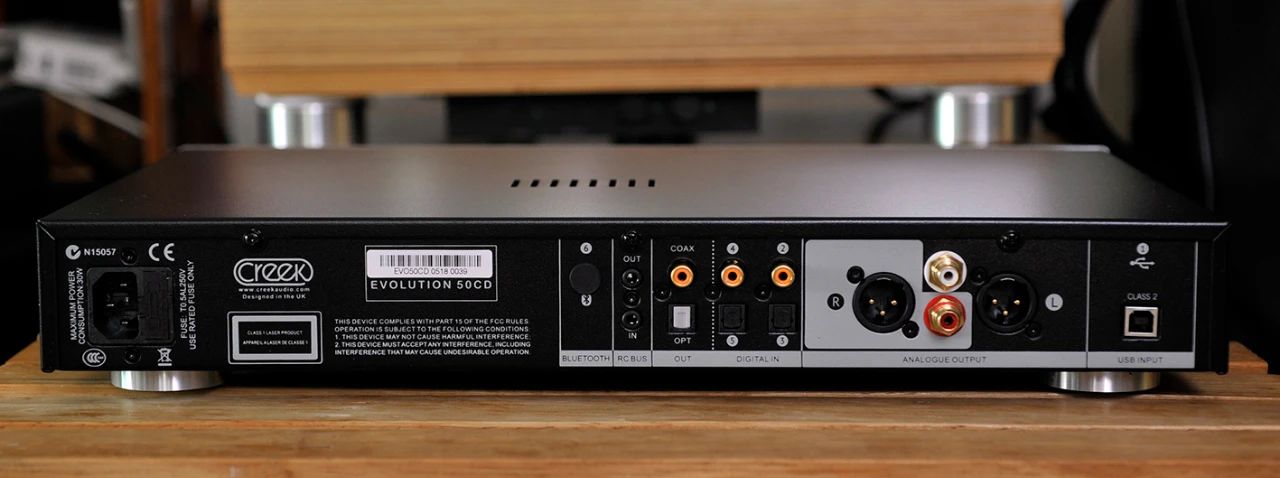
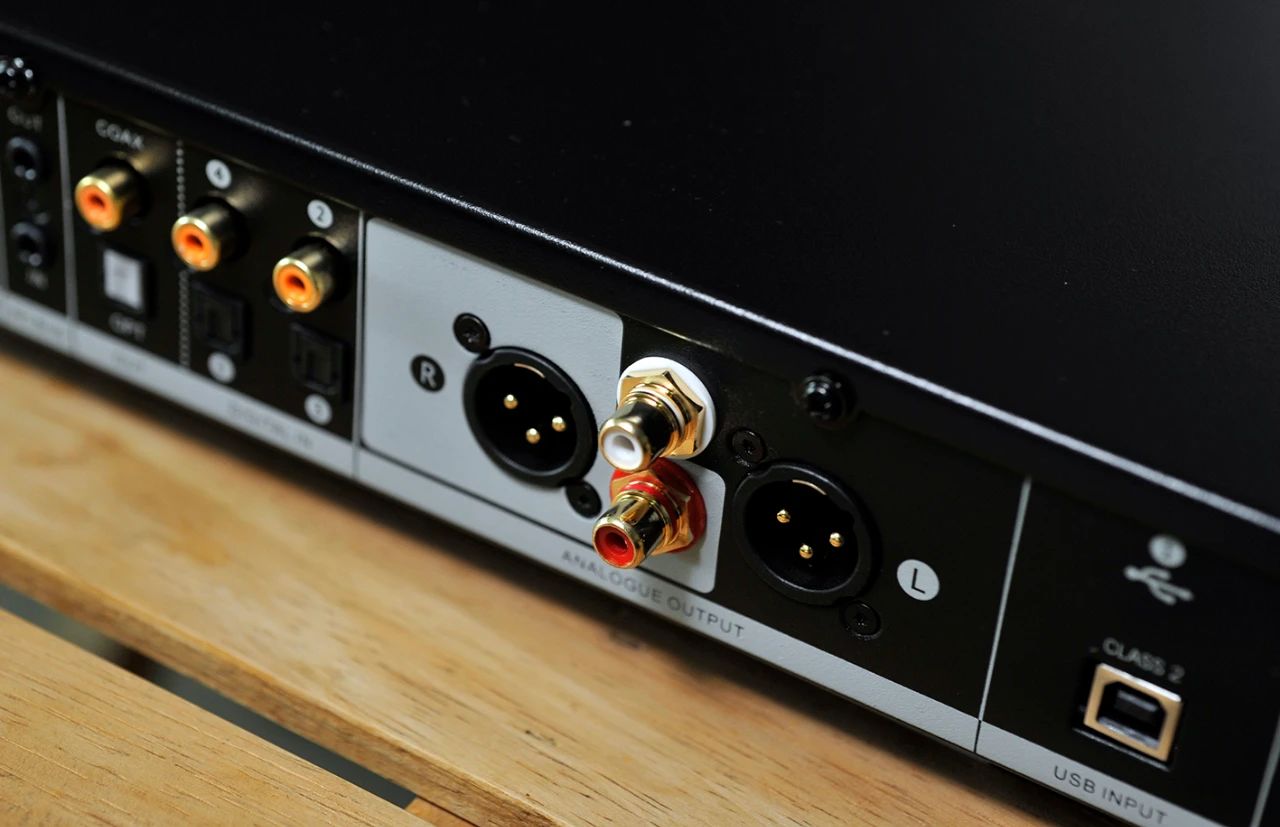
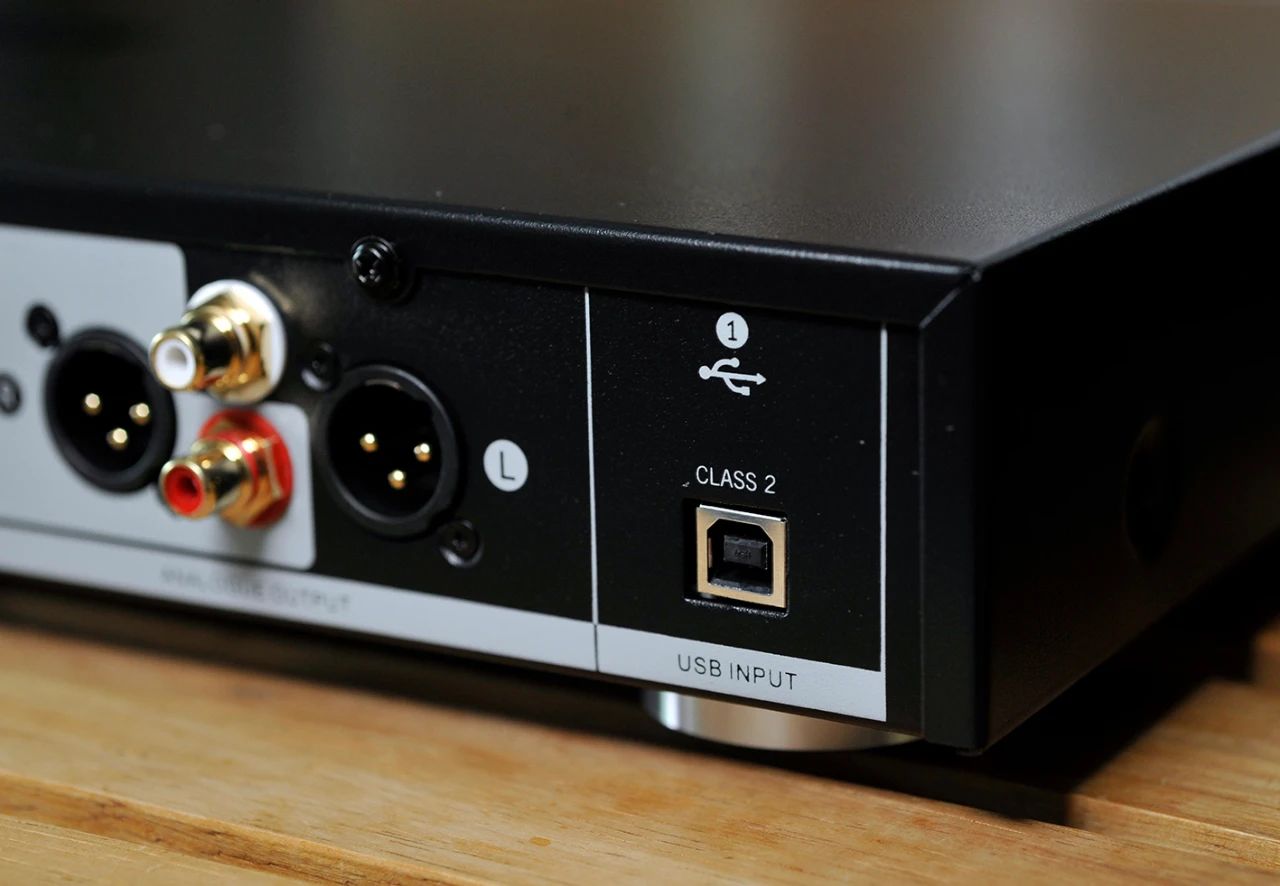
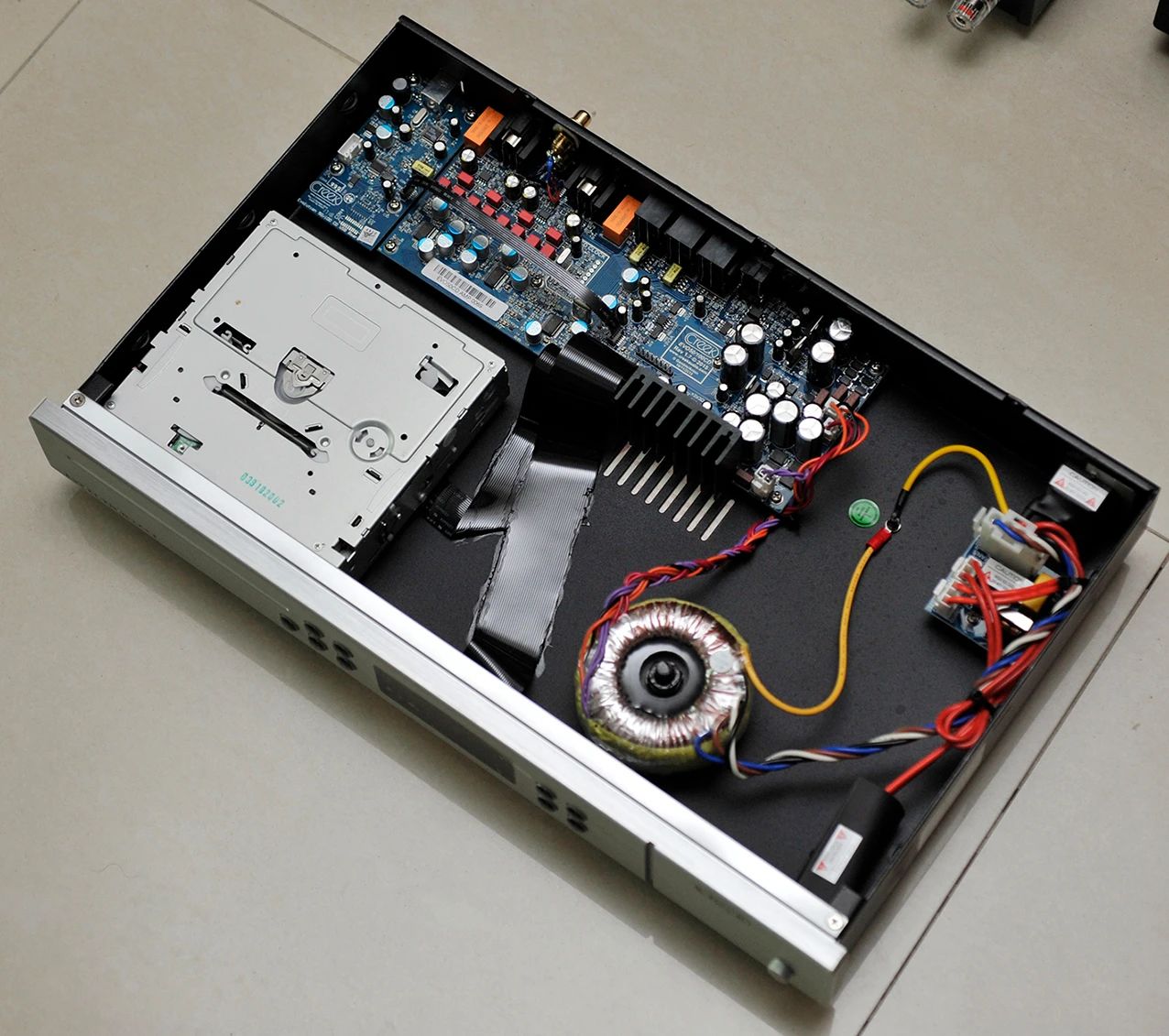
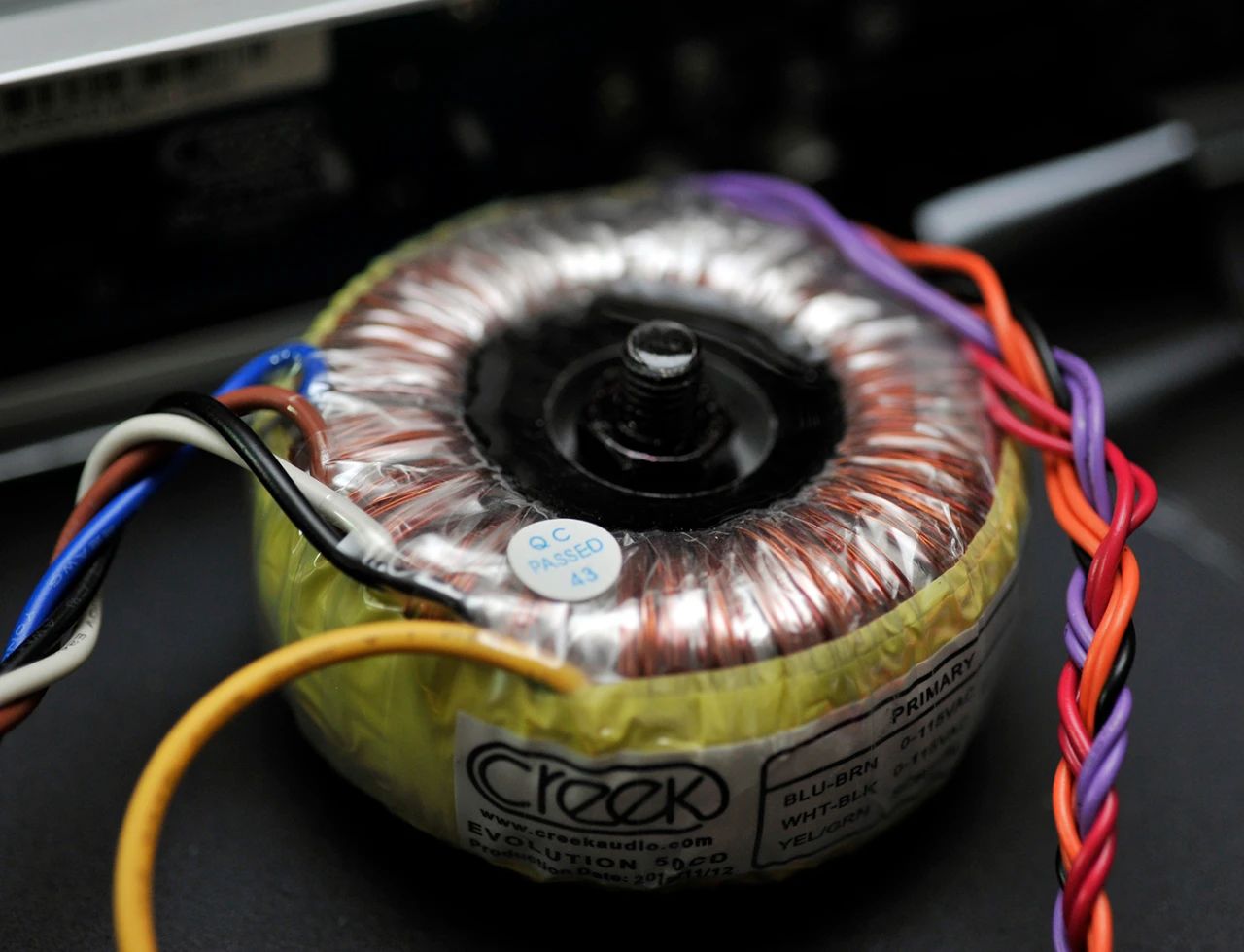
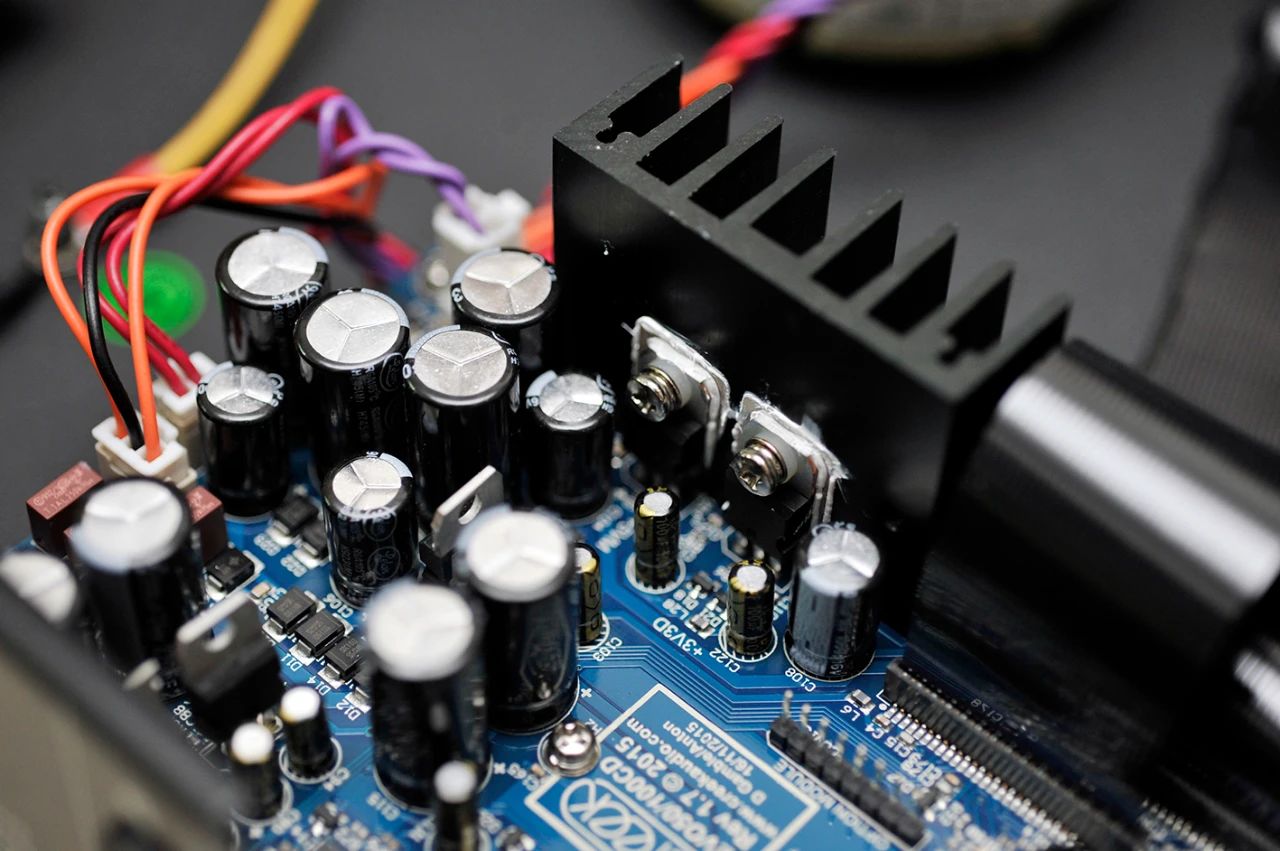
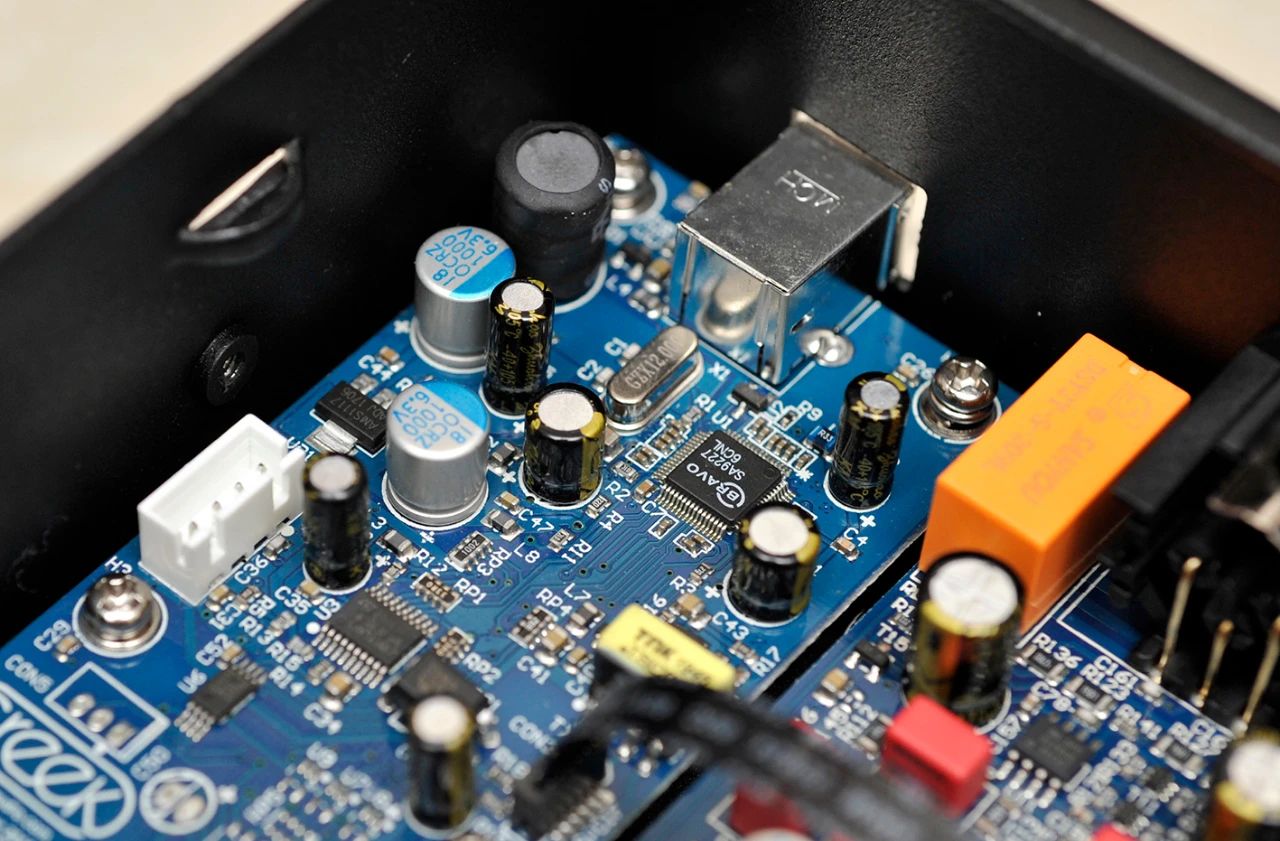
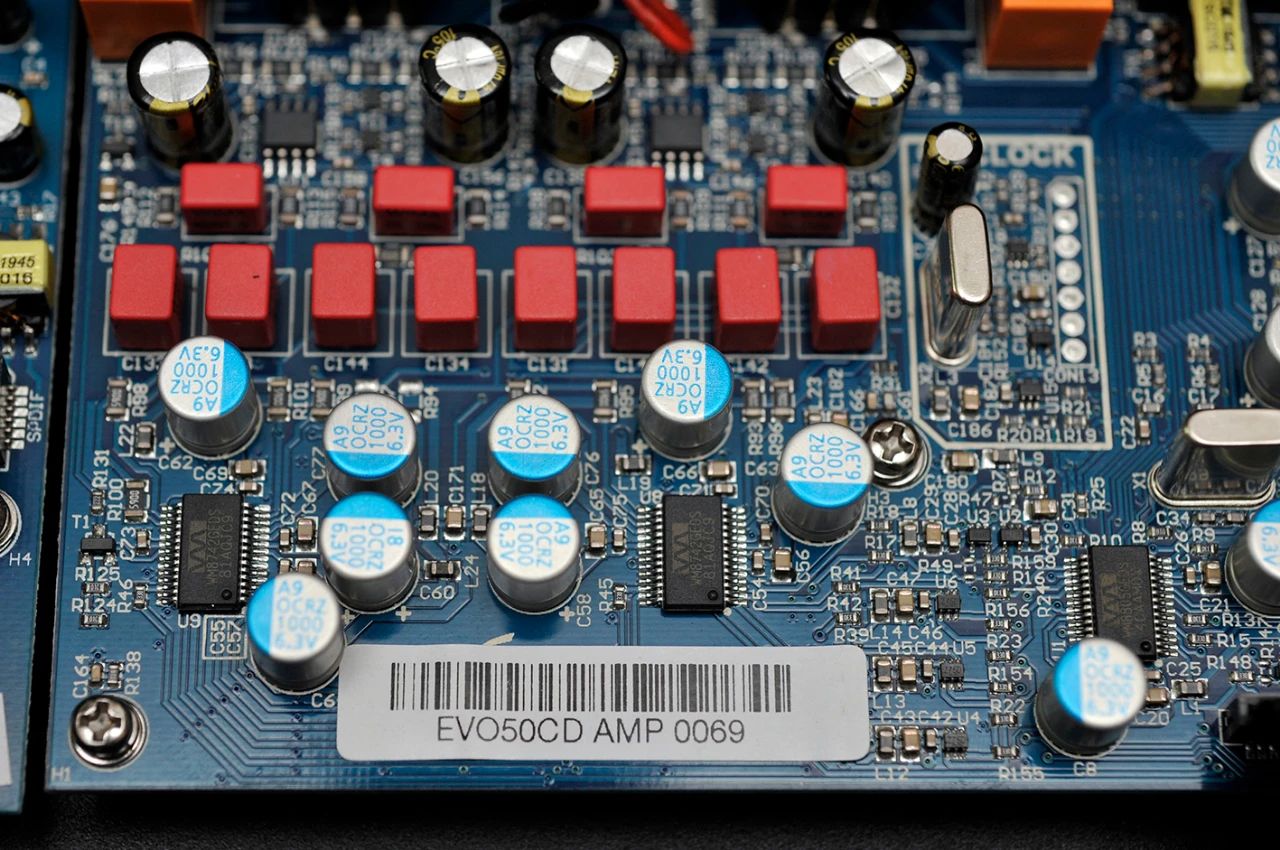
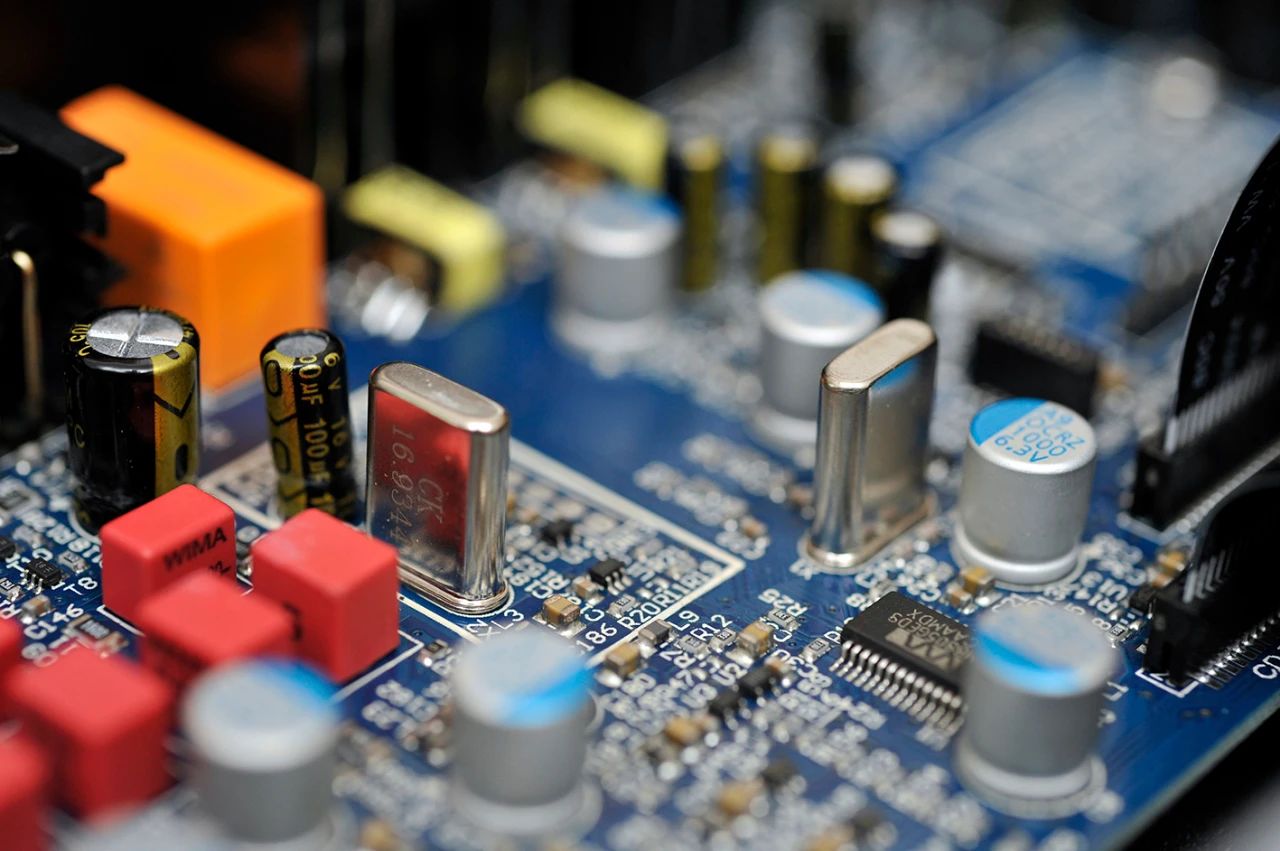
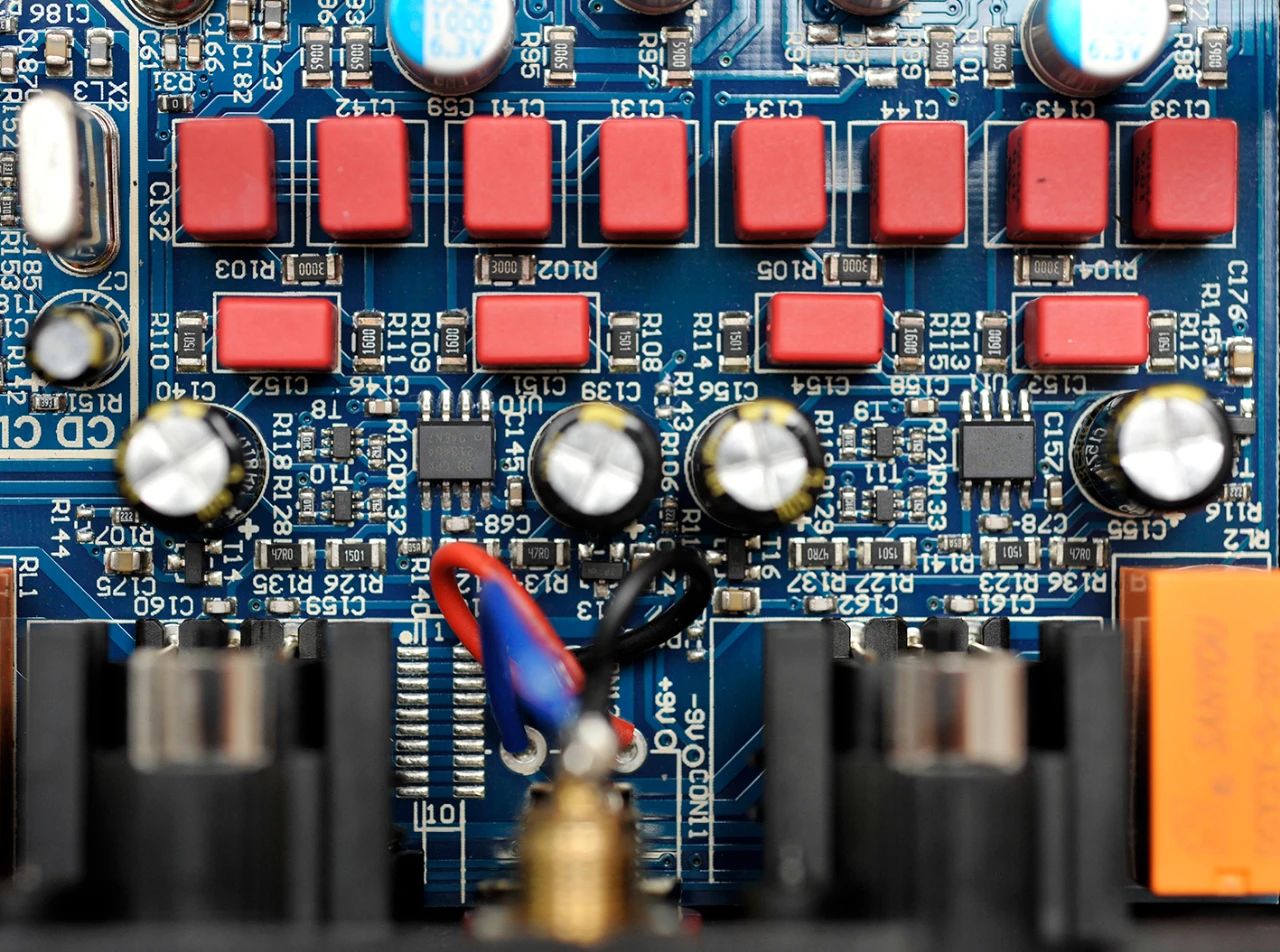
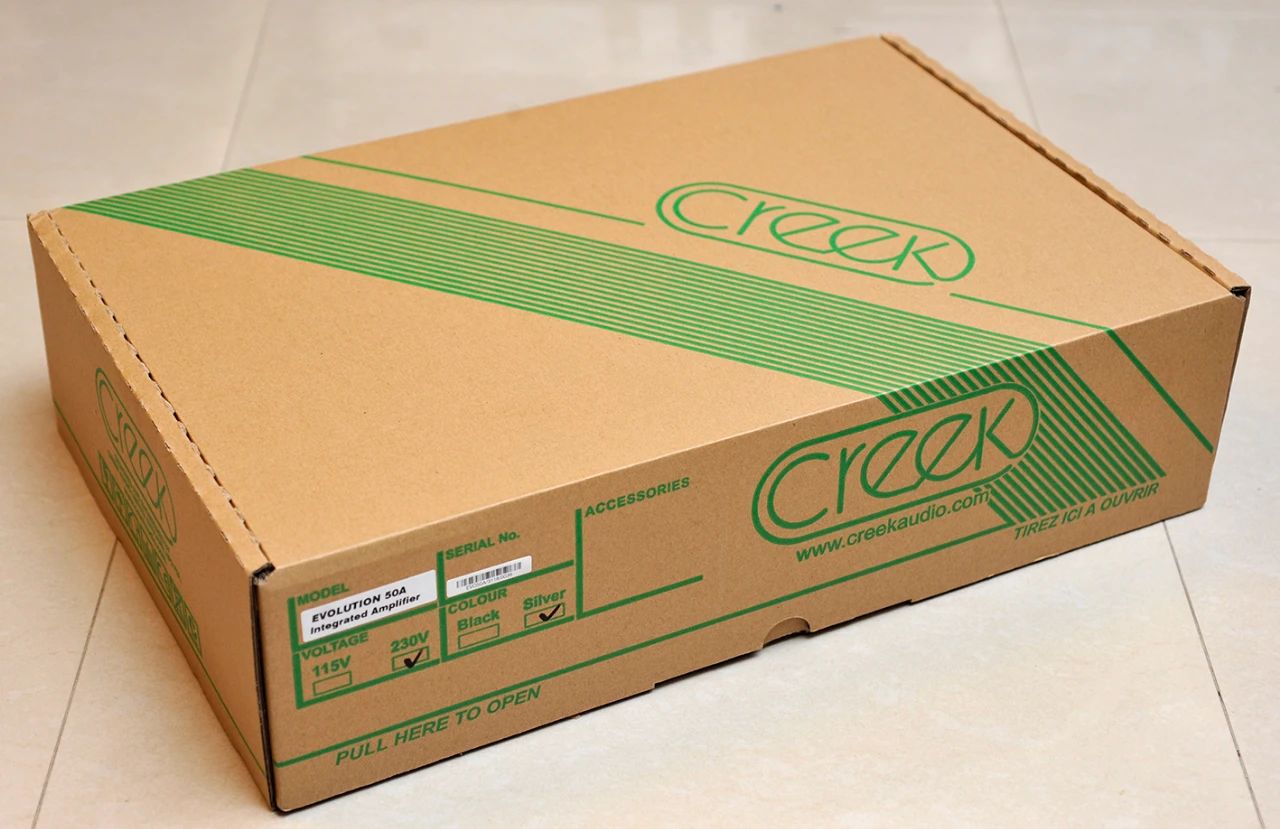
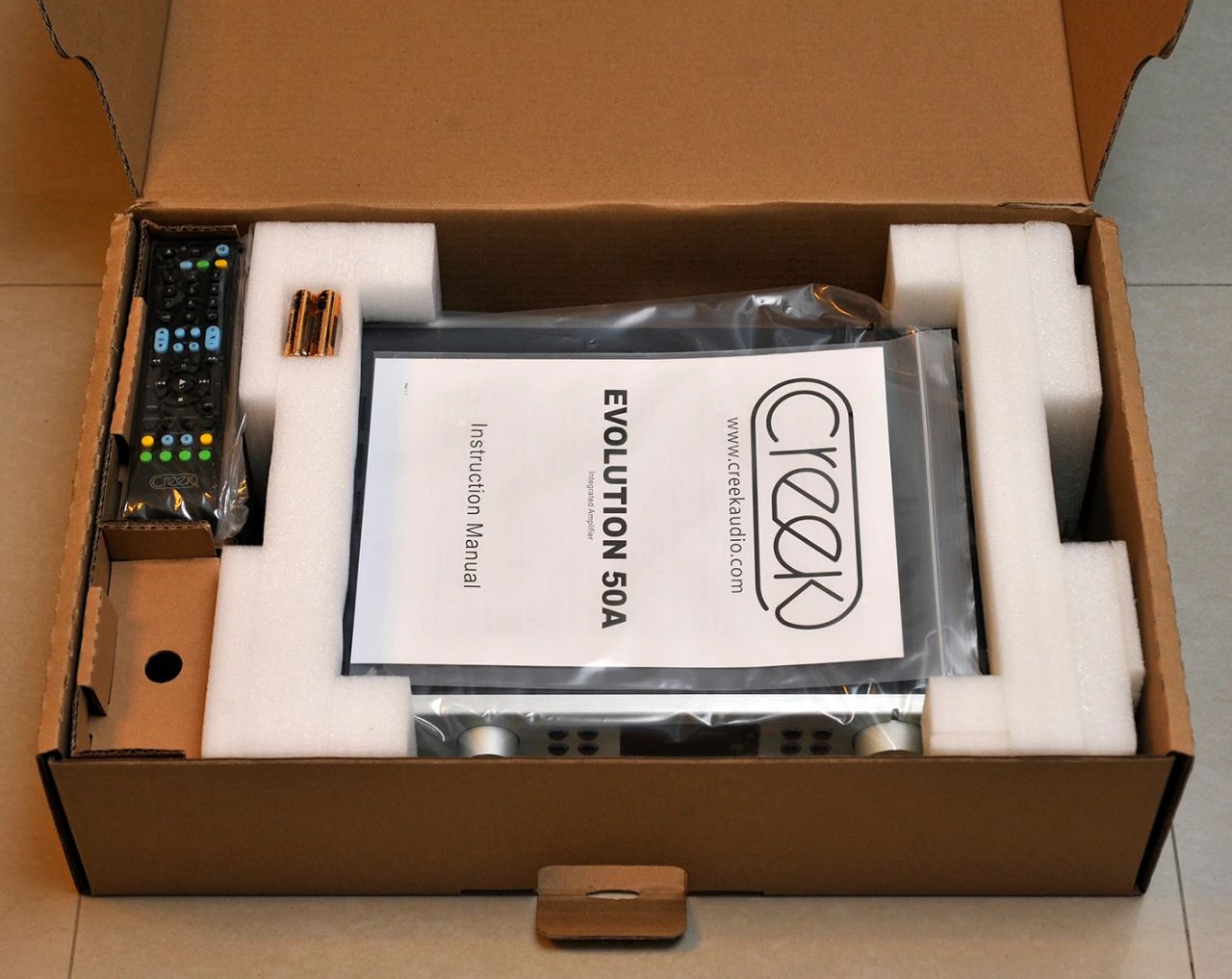
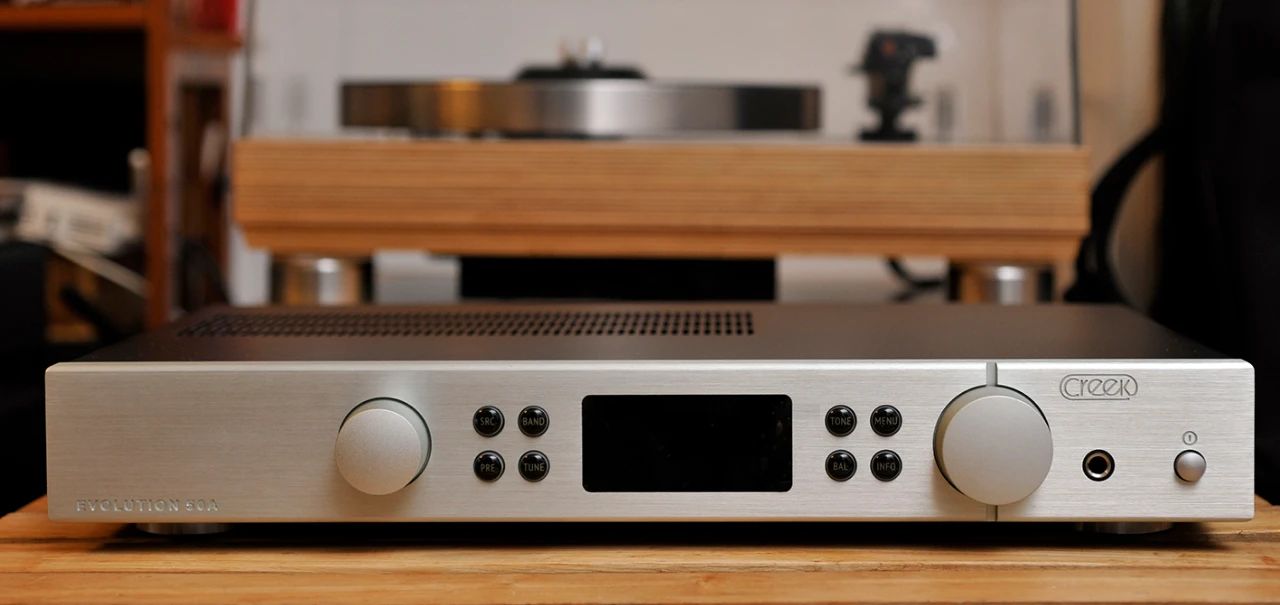
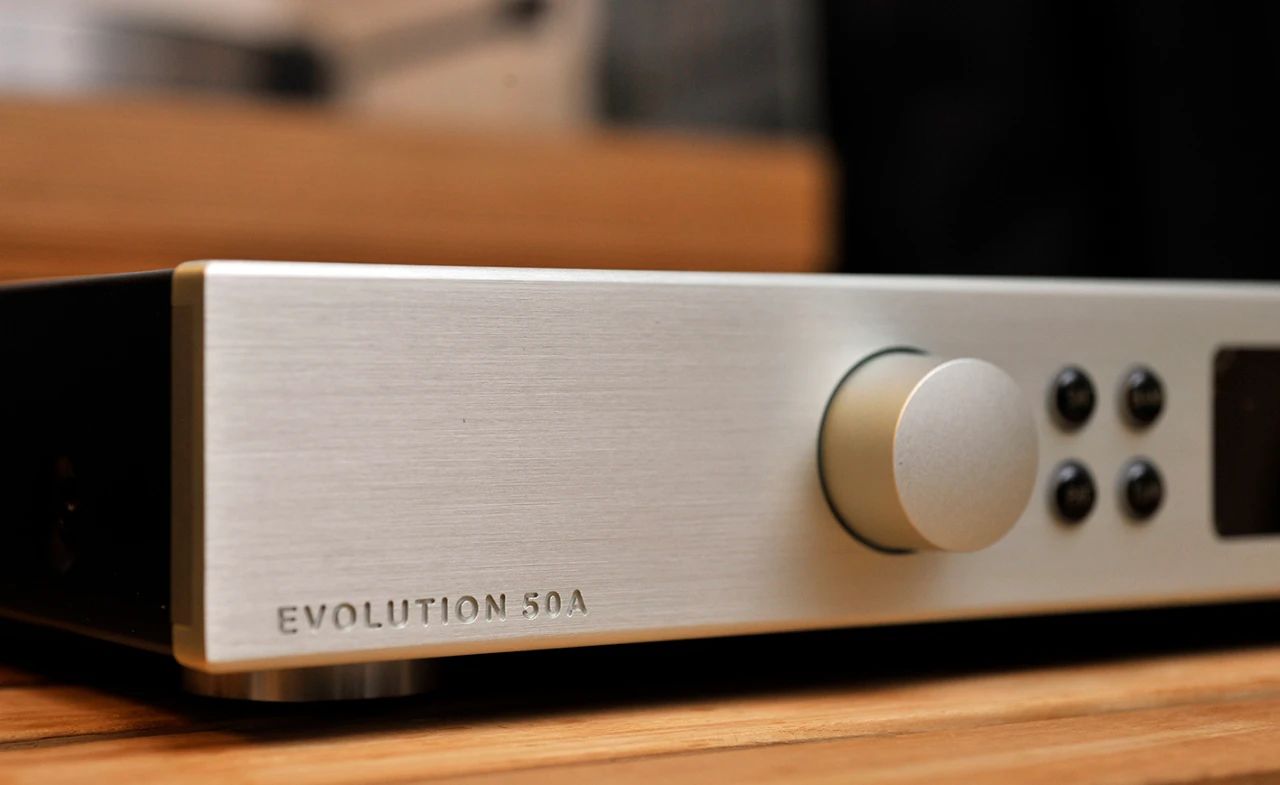
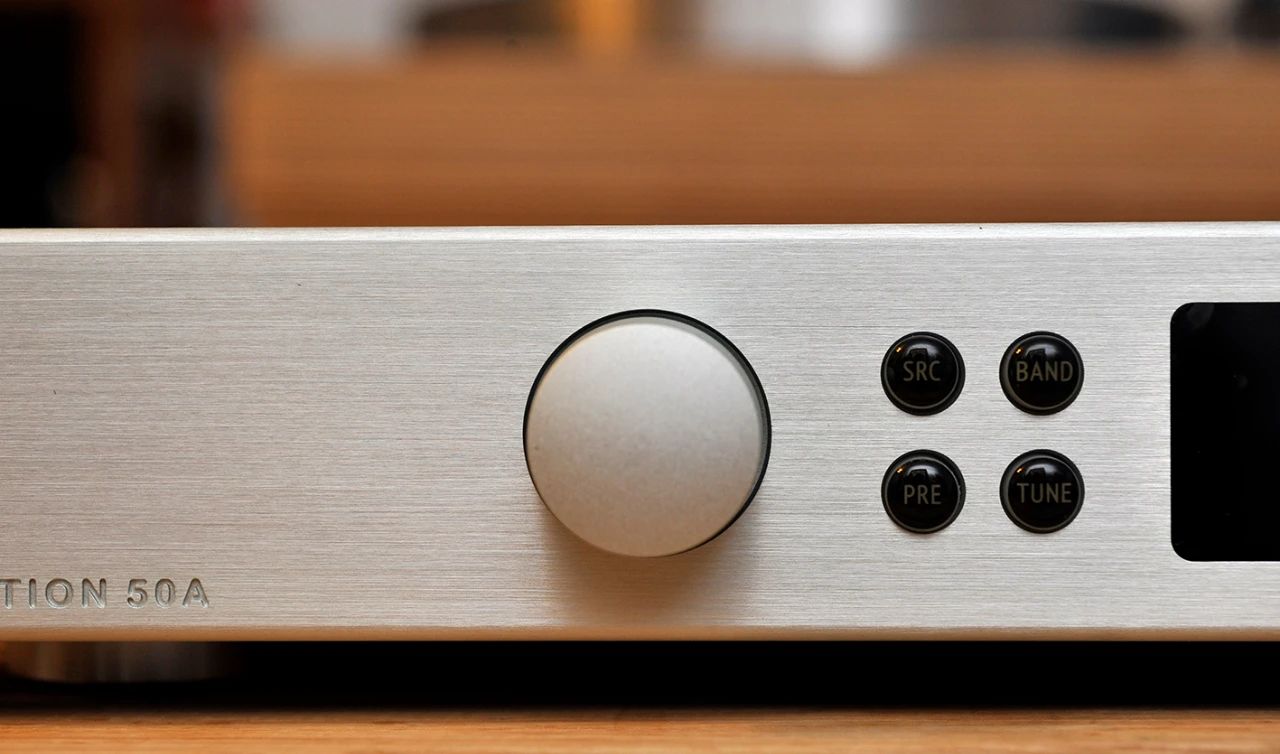
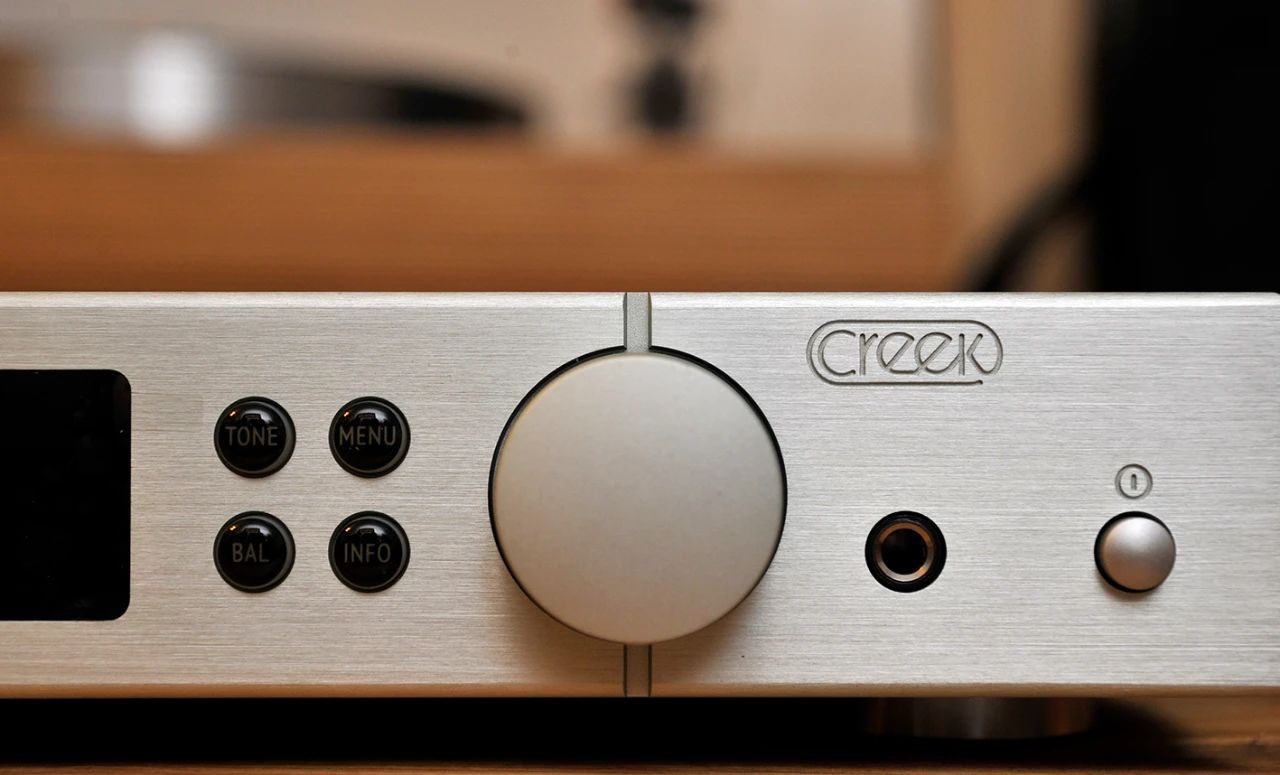
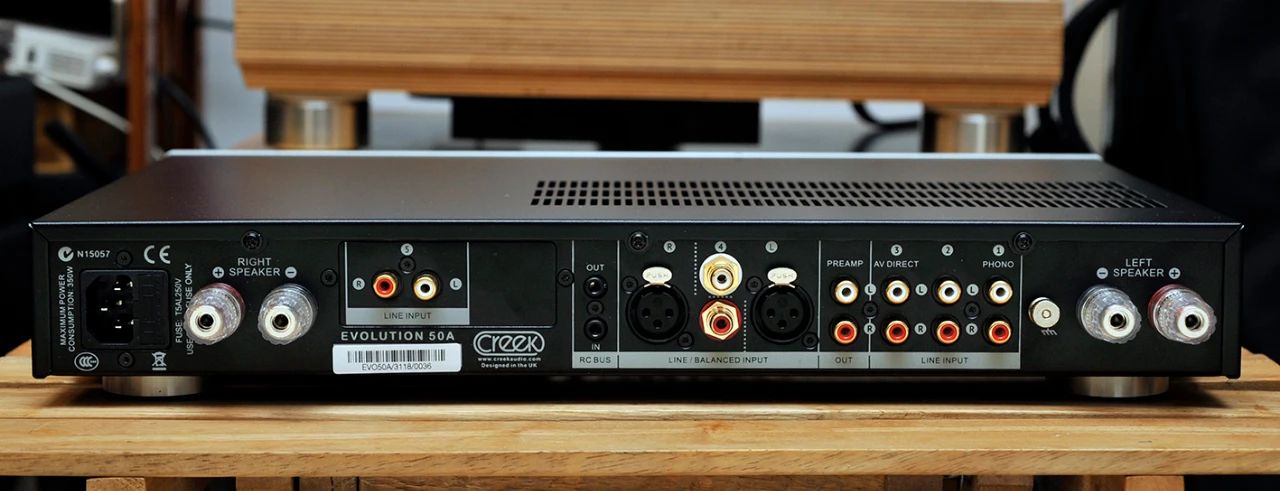
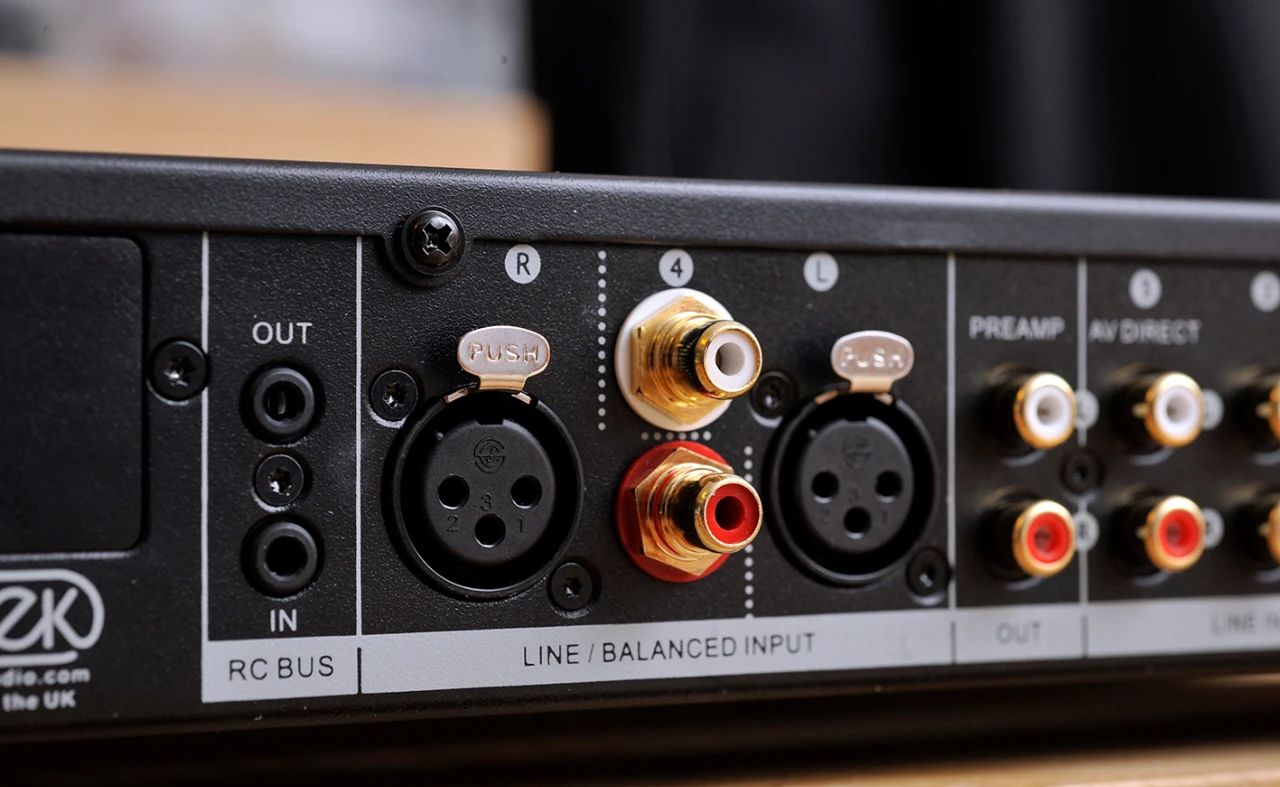
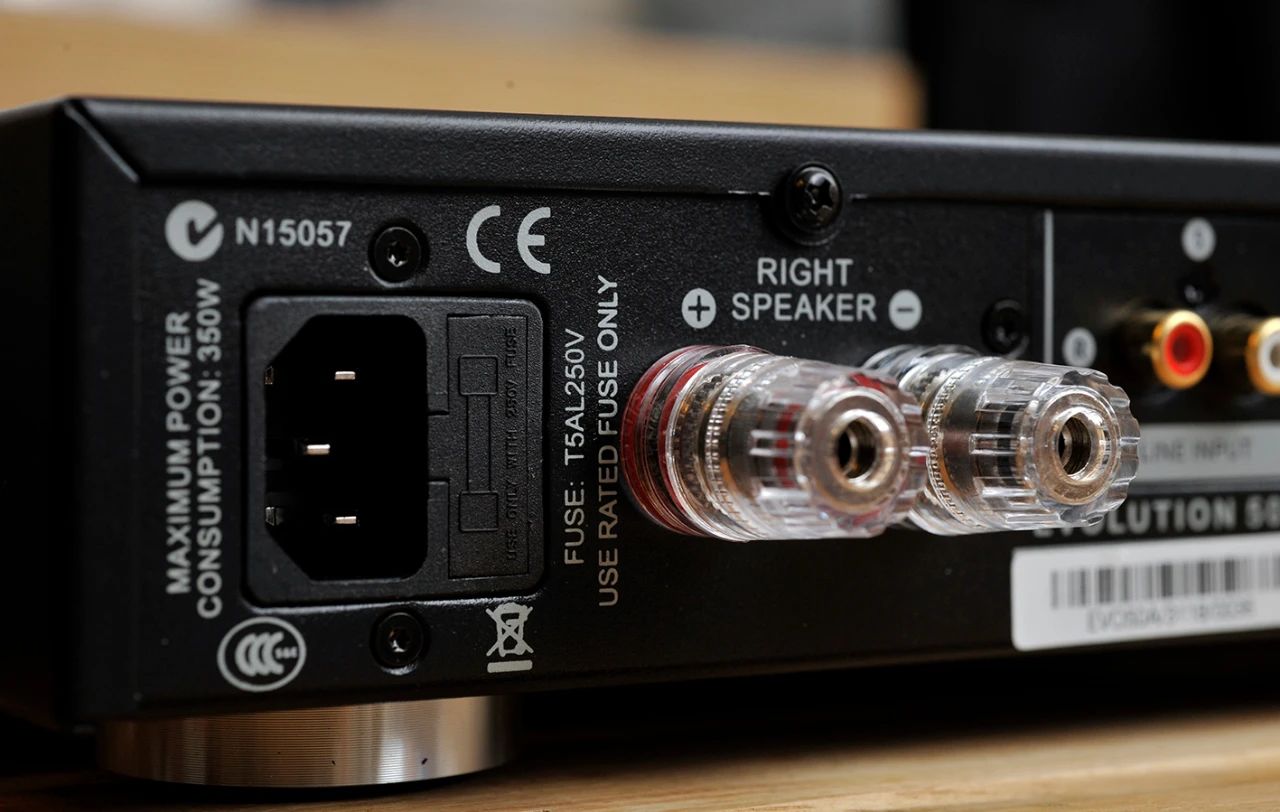
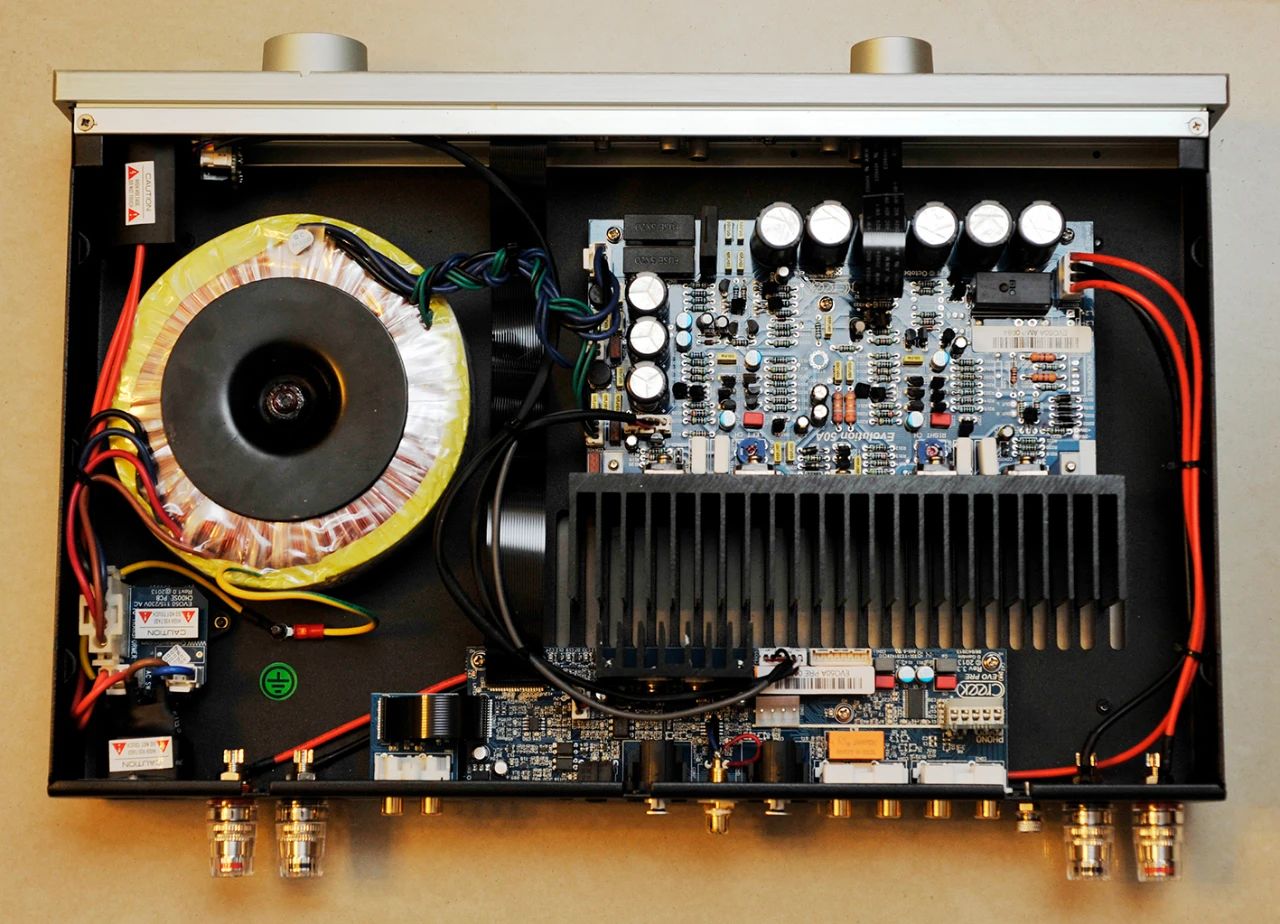
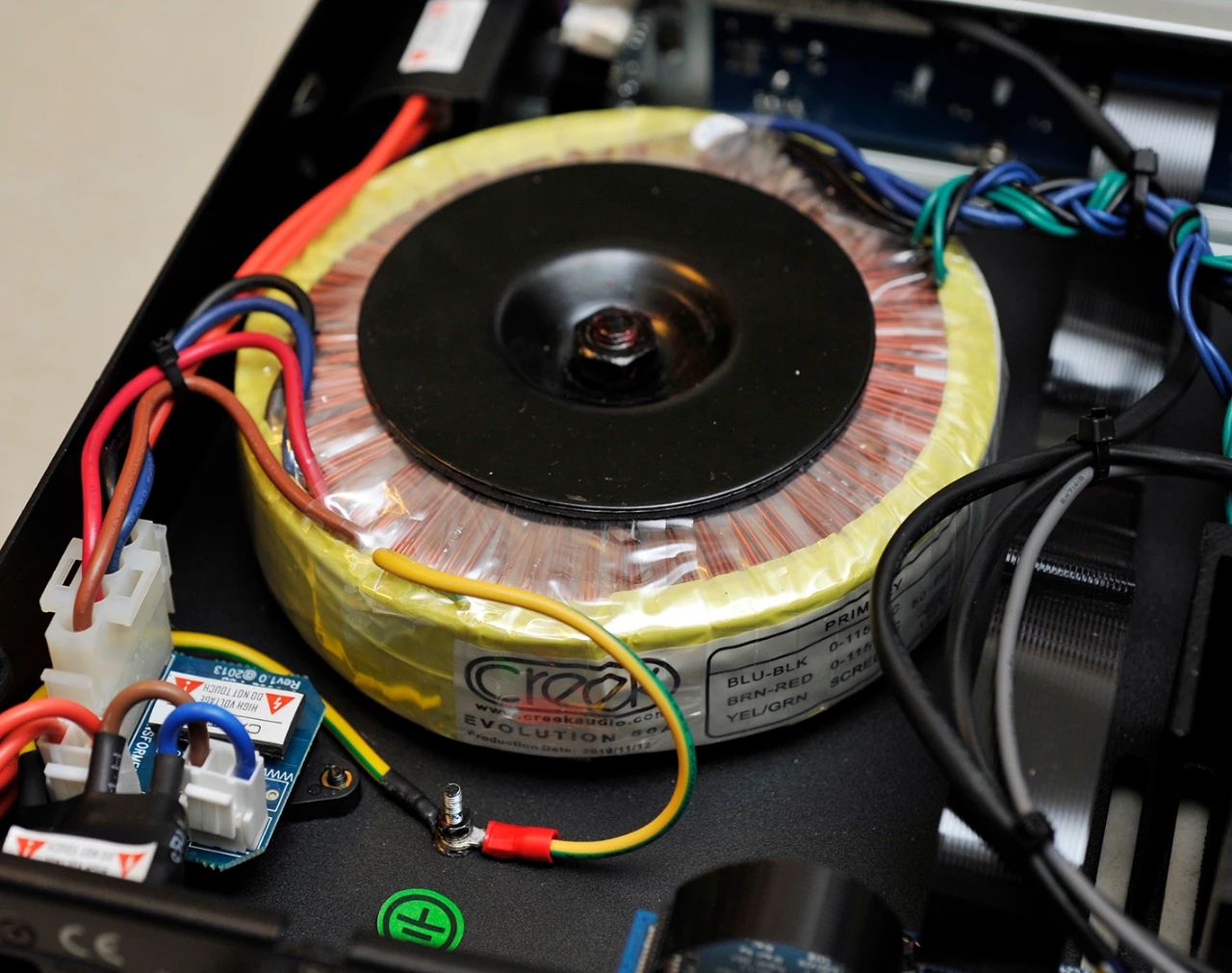
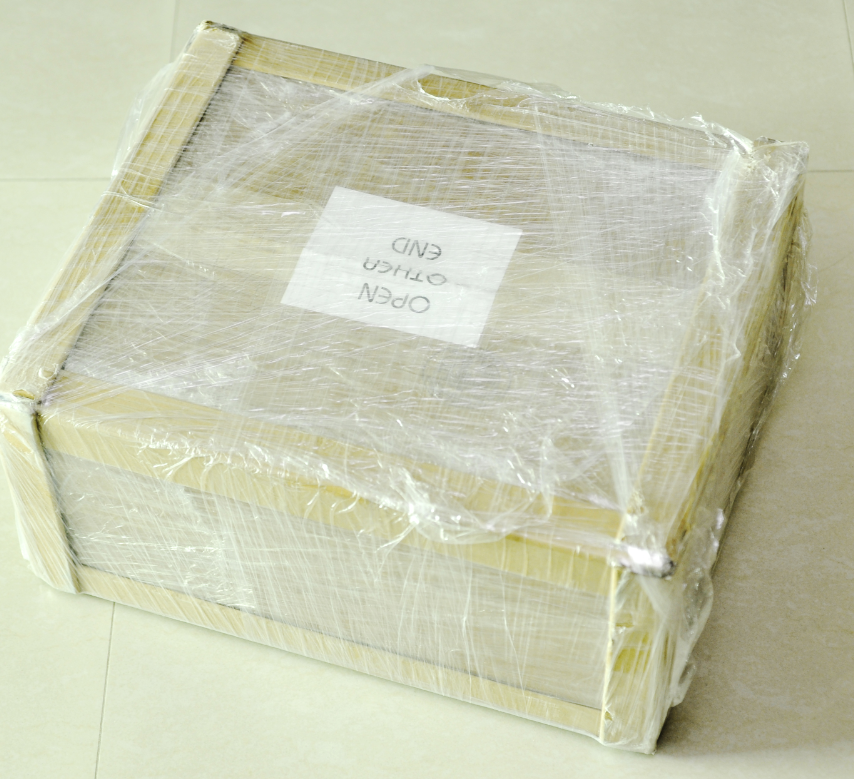
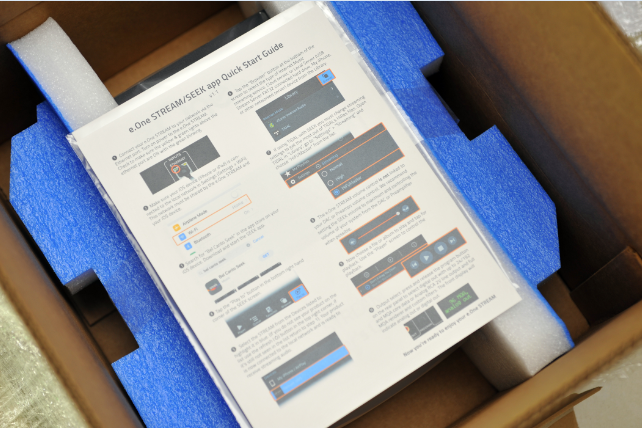
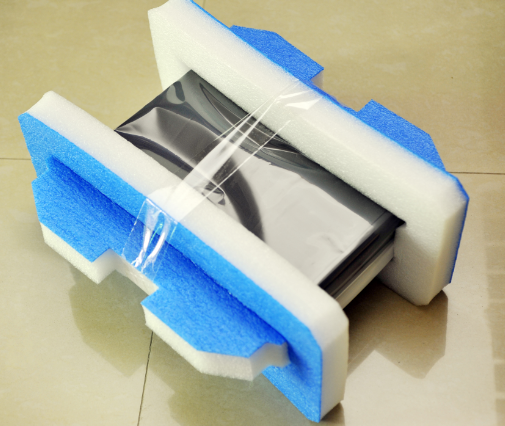
外層紙箱內還有一個厚紙箱包裝上一如既往引著 CREEK 朗泉標志性的 logo 和斜杠條紋,傳統一直傳承下來沒有改變過。同時印著產品型號、使用電壓、面板顏色和產品編號包裝內由兩組厚實的“珍珠棉”定型保護機器,配件則全部存放在側面的配件盒中,保護非常妥帖。附件包括說明書、電源線、遙控器全功能遙控器,除了可控制50CD外,還可控制50A功放,如果你是一套購買,那麼拿一個遙控器使用就可以了。通過遙控器可選擇Filter濾波模式Evolution 50CD 的機身雖然是標准寬度,但高度卻比較薄,是典型的英國傳統風格面板右側又一道豎凹槽,仿佛把面板一刀分成兩個功能組件,這塊“小區域”內是銑刻出來的CREEK的圖形化Logo,另外就隻有一個電源開關了,注意到沒有,開關上的圖標也是銑刻出來的,精致感立顯有沒有。另外,中央顯示屏右側的4個按鍵分別控制輸入切換(SRC)、菜單(MENU)、循環播放和信息(Info),直觀好用。MENU按鍵用於設置顯示屏的模式和亮度。模式分為AlwaysOn(顯示屏始終點亮)和Auto-Off(自動暗屏),亮度分為3檔。設置時按Play鍵為選中確認,Stop鍵為退出,快進和后退鍵可移動光標。碟倉旁邊的5個按鍵負責CD播放操控,按鍵採用背光設計,按下去有一種特別的阻尼感,雖然沒有常見金屬按鍵的那種干脆感,但卻顯得很討好人。有些朋友比較抵觸吸入式機芯,總認為容易刮花碟片,但事實上CREEK的機芯非常好用,試聽的一個時間估計聽了100張唱片,從來沒有發現唱片會被刮花,而且進出碟動作都比較輕柔,令人放心來看看機背的布局,由於Evolution 50CD不但是一部不折不扣的CD播放機,同時還是兼容了USB、同軸和光纖等數字輸入接口的DAC解碼器,因此背板的端子非常豐富模擬輸出方面提供RCA非平衡和XLR平衡各一組,值得表揚的是RCA端子採用了高級鍍金制品,而平衡輸出是真平衡(請看下面的線路布局)USB-B數字輸入端子,採用Class 2傳輸標准,支持24Bit/96kHz規格
在全世界大部分音響品牌的聲音風格趨向大同的背景下,大家都在追逐高透明度、高分析力、銳利的線條感、大動態等同質化的聲音元素,導致很多產品根本無法體現不同地域、不同民族各異其趣的文化底蘊與美學特點。很多時候音響迷對品牌的選擇就會變得迷茫起來,想追求一種滿足自己喜好和審美的聲音風格也變得愈發困難。而 CREEK 朗泉 Evolution 50CD/50A 這套組合搭配愛沙尼亞 Audes 瑰麗 106 書架箱的聲音表現,依然維持了濃郁又純粹的傳統 “英國聲” 韻味,令重播的音樂顯得更有個性,也更具豐富情感。資深的音響迷大概沒有未體驗過“英國聲”魅力的,那是一種略帶昏黃色彩,不追求極致的透明度和分析力,甚至頻響兩端的極致延伸也不如現代風格那麼 “出彩”,卻能呈現現代風格所沒有的柔軟飽滿中頻,溫暖厚潤的質感,重播的人聲總能顯得更有親切感,重播的弦樂也更富色彩,音樂感染力更為濃郁。比如重播 Linn 出版的 Kidd 姐的《Gold》,那甜美的嗓音演唱正爵士真是極之迷人,飽滿溫柔的中頻質感像極了用 KT66 的膽機,甚至中低頻那種厚潤的特質與直熱膽 2A3也很接近。
而重播馬連納指揮聖馬丁室內樂團演奏的沃恩·威廉姆斯的《綠袖子幻想曲》,濃厚的英國紳士風情扑面而來,豎琴與長笛相互對答的前奏優美悠揚,把聽眾引入安詳和寧靜的氣氛之中,隨后弦樂聲部奏出主題。這時,第二小提琴和中提琴開始呈現這首朴實的、單二部曲式的民歌旋律,優美似甘霖一樣的聲音質感一下子就把聽眾吸引住了;在樂曲進行中,第一小提琴插入對位旋律,把樂曲柔和的情調烘托得更加感人至深。樂曲的中間部分,轉成了 C 大調 4/4 拍。主題選自另一首名叫《可愛的約翰》的民歌反復了三遍:第一遍由小提琴演奏,第二遍由長笛獨奏,第三遍提琴、長笛合奏。經過長笛吹奏的一小段“華彩”,再現了《綠袖子》民歌主題,但這一次換成了用中提琴和大提琴來演奏,由這套CREEK朗泉的重播聽起來更加深情感人。
一套小巧纖薄的英國式器材,兼顧了 CD 播放、USB 連接和同軸光纖等豐富的接口功能,加上小功率功放所特有的靈動音樂感,確實是音樂迷無需煩心、細品音樂韻味的佳選
正如播出 CD版《Audiophile AnalogCollection Vol. 1》中的〈Pink Panther – Jazz
Ensemble〉,一開聲即見一個深闊的場境,各銅管、鼓、敲擊樂器逐一響起,即聽到一層層、層層 而後的音場,結像落在不同位置,它們之間的空間距離感實在又傳神。對各樂器音色及變化,演譯變化,Kratos 都能夠氣定神閒細意描述,細得似給人更多時間去接收、去感受似的,愈聽愈感受到演譯的玩味、生動加幽默感! 同碟中《J.S. Bach:Organ – Toccata And Fugue in D Minor》,管風琴某程度上就如分析力、控制力、下潛力的判官,真係一播判生死,Kratos 進一步表現出其遊刃有餘、線性又大把在手的實力,不慌不忙地隨著管風琴抑揚、跌宕,弱音仍見細節與質感,強音無開叉、無毛躁, 低頻強音亦能有質、有量、有力又有條理地推送,有著被 音頻全身按摩的效果。
旖旎風光
始終係意大利音響,當然不似德國音響的理性、冷靜,Kratos 不脫意大利人的熱情浪漫本色,播出 Quadro Nuevo & NDR Pops Orchestra《End of The Rainbow》, 不單有 3D大場面,更聽得到熱情、繼而感覺到音樂有溫度,〈Que Reste-t-il De Nos Amours〉中的手風琴、色士風、低音提琴、豎琴以至樂團的聲音,都似一道又一道拋 物線,順滑細膩地拋出,既有溫度,亦有味道,一份在柔 和陽光底下,欣賞旖旎風光的美好感覺。
利器
人聲嘛!在《Greatest Folk Songs Of All》中,The Brothers Four〈Try To Remember〉,質感細膩的靚男聲 有肉、有厚度,帶暖調的音色,流麗細緻的演譯、唱腔, 營造出一道無縫似的旋律線,音樂感從頭到尾無間斷,一 氣呵成地,透心、感人的演譯加重播。 《林子祥85特輯》中的〈星光的背影〉,同樣聽到一 氣呵成的情緒,既有男人的溫柔,亦隱隱聽得出火裡似有團火的唱情,更感受到林子祥在不同樂段、歌詞意思中投入不同情緒,變化不斷,足以証明 Kratos 確係聽音樂、聽演 譯的利器!
說回這張〈第三號交響曲〉,確是近期一張非常出色的古典 CD,杜托版的低頻已經十分不簡單,但楊頌斯的卻更強。我最喜歡它第一樂章的慢板部份,管風琴的低音有如一道牆,不時以一股暗湧向聽者直迫過來,雖然聲量是輕輕的,但能把人淹沒!它強勁之餘,又不會喧賓奪主。我發覺楊頌斯喜歡較豐滿的低頻,令樂團的其他聲部有一個很好的承托。這一段的弦樂就在這穩固的承托下,優美地歌唱。CL-1000 就能非常稱職地傳遞這個特色!在第二樂章的第二部份(Maestoso),管風琴以強勁的和弦進入,然後加入弦樂、銅管、木管、鋼琴等,非常堂皇!最後的定音鼓,把樂曲推到最強的高潮結束!CL-1000 把這一段爆棚樂段爆得不亦樂乎!有如在海旁看煙花大匯演,對樂團的立體感與通透度都有很好的表現,特別是深度,能把弦樂、木管、銅管、敲擊等不同組別的前後位置,都交代得比現場更為清楚!真的!在現場,如果你閉上眼聽,也不能把位置分辨得如此清楚!畢竟聽 Hi Fi與現場是兩回事,但這也是聽 Hi Fi 的樂趣之一!聽這作品,絕對是前級的分析力的一大考驗,稍為弱一點,就不能把各種樂器播得如此清晰。而強弱的對比,亦反映 CL-1000 高分析力的另一指標。
人聲動人氣氛一流
對一部前置放大器!我對分析力的要求是排在最高的,甚至在音色之上。我認為高分析力的前置,音色不可能差;反之,音色差,分析力就不會高!CL-1000 首先給我的印象就是高分析力,同時亦帶來動聽的音色。上面聖桑的管弦音色就十分出色,很有質感,最強音壓時仍只有飽滿而無刺耳。人聲呢,我揀 T David Roth 的SACD “Meet You Where You Are”。Roth 的木結他非常好聽,那鋼線的音色突出卻又柔和。他的聲音也一樣,突出又柔和,略為低沉,CL-1000 優異的中頻表現,把 Roth 滿滿的感情毫無保留地送上。
再來一張(Rita Payes In New York),此碟甚多鋼琴、色士風、長號、敲擊、Bass 等獨奏片段。CL-1000 的高分析力輕易把各樂器的形體真實重現,尤其是那些吹管的氣息,當然不能不提 Rita 成熟中帶稚氣的獨特聲線,非常吸引;最重要的爵士氣氛,一室洋溢!
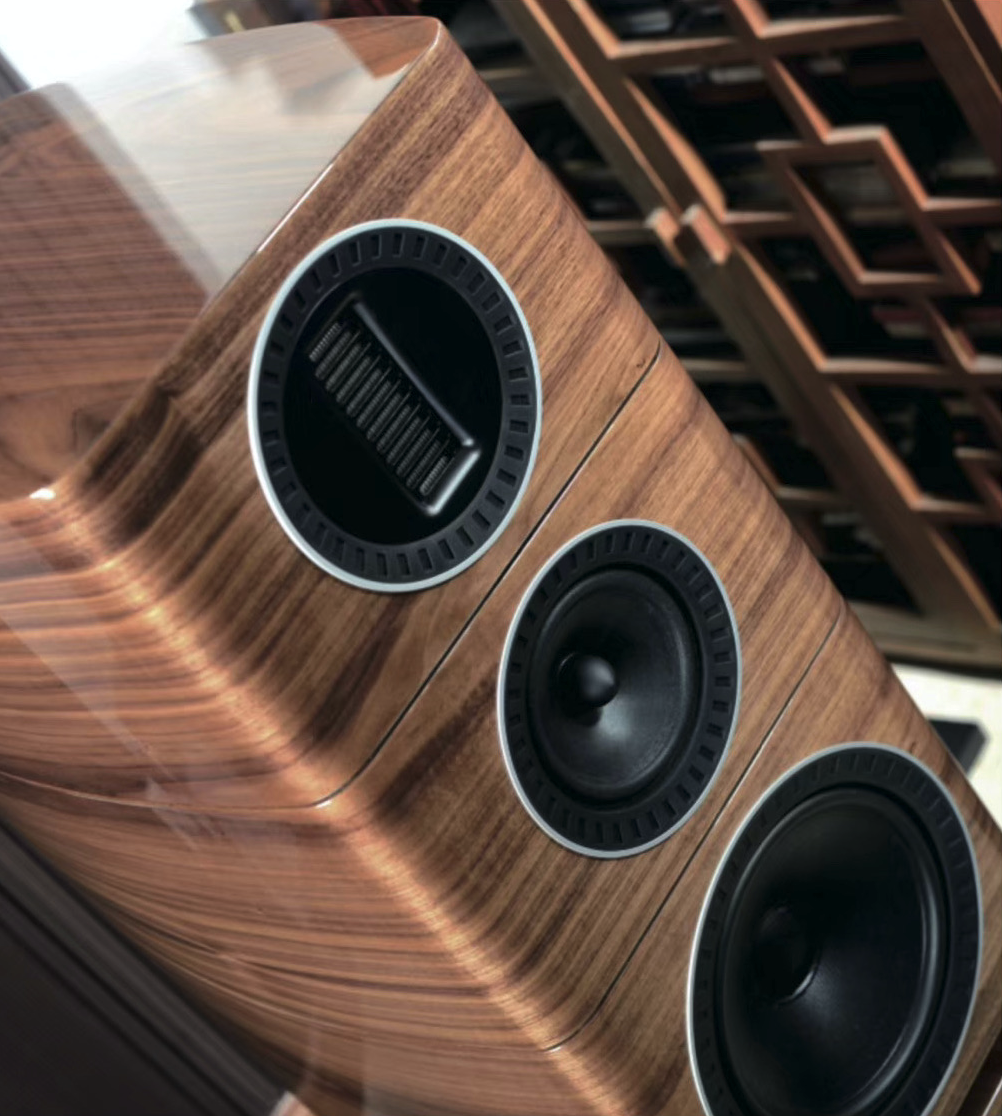
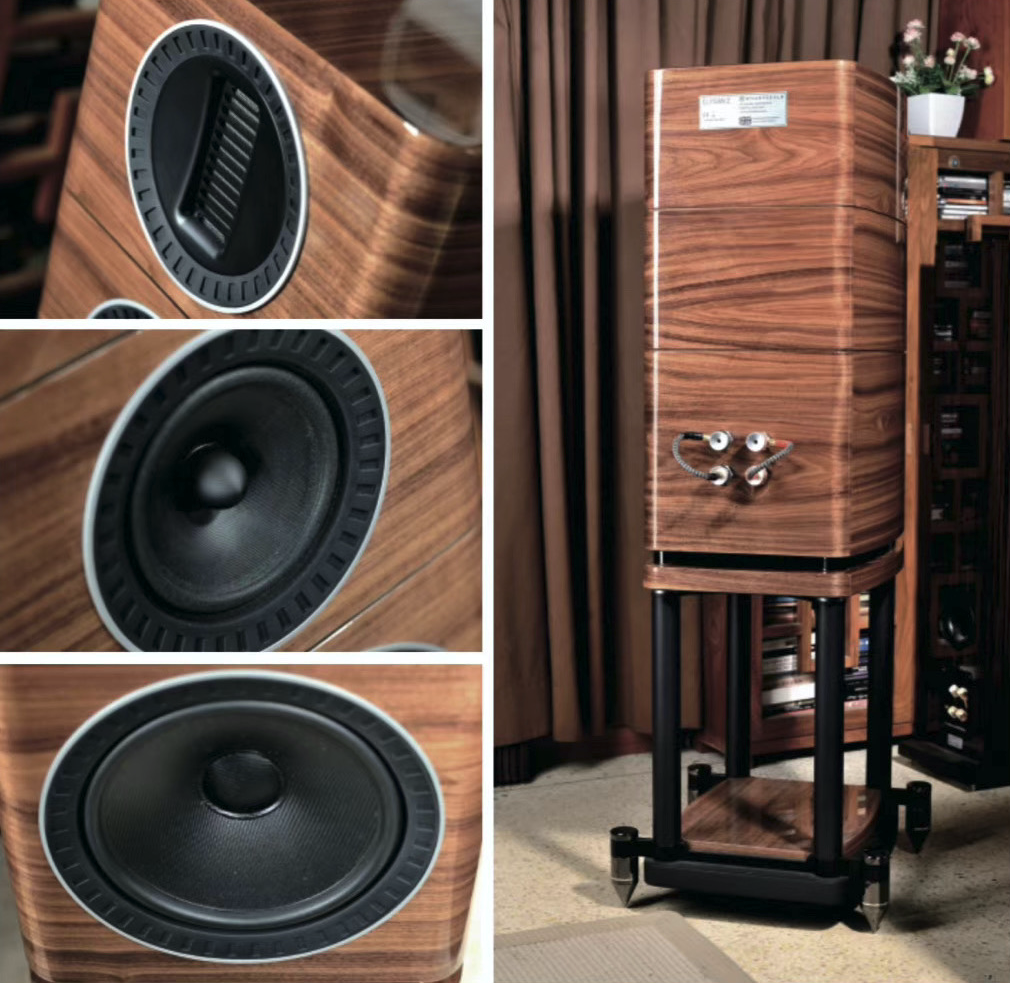
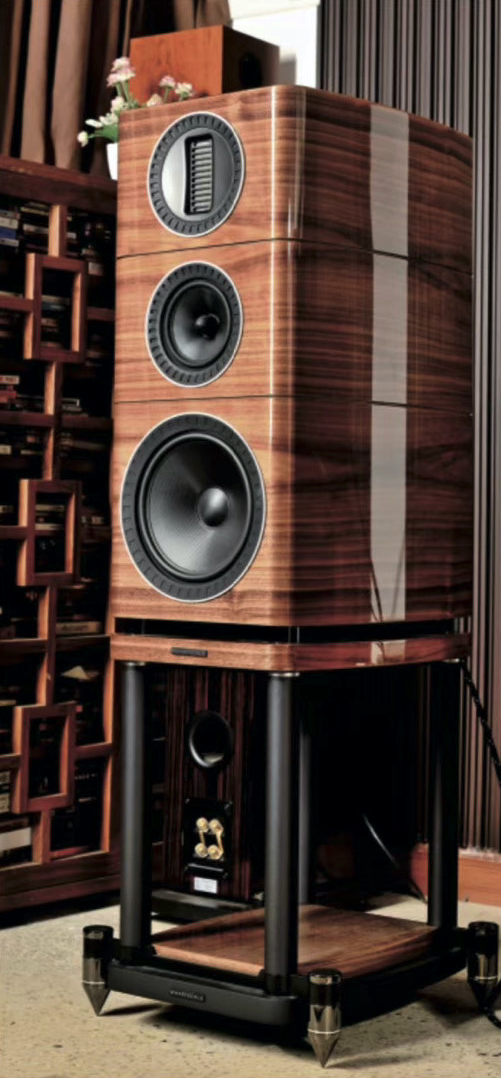
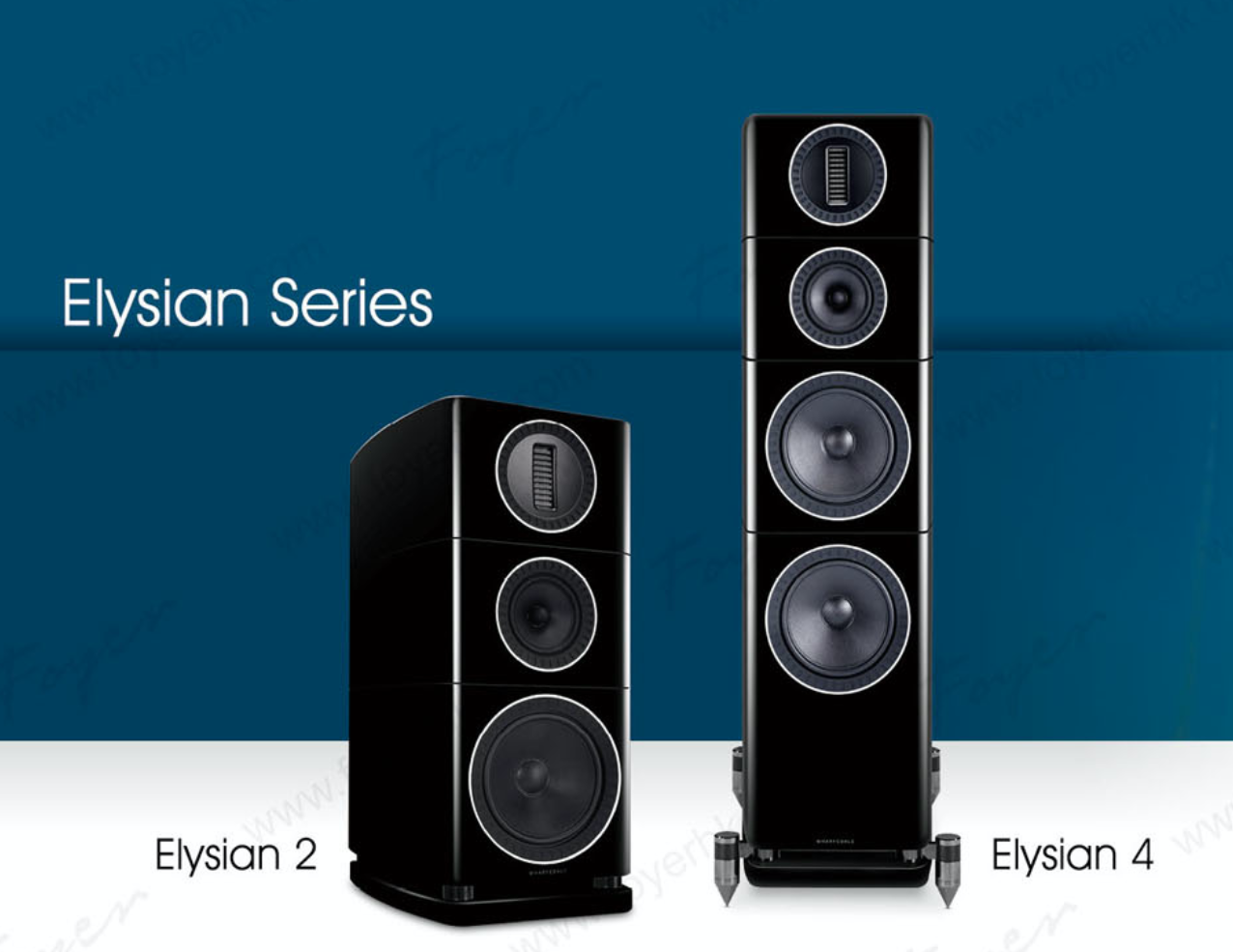
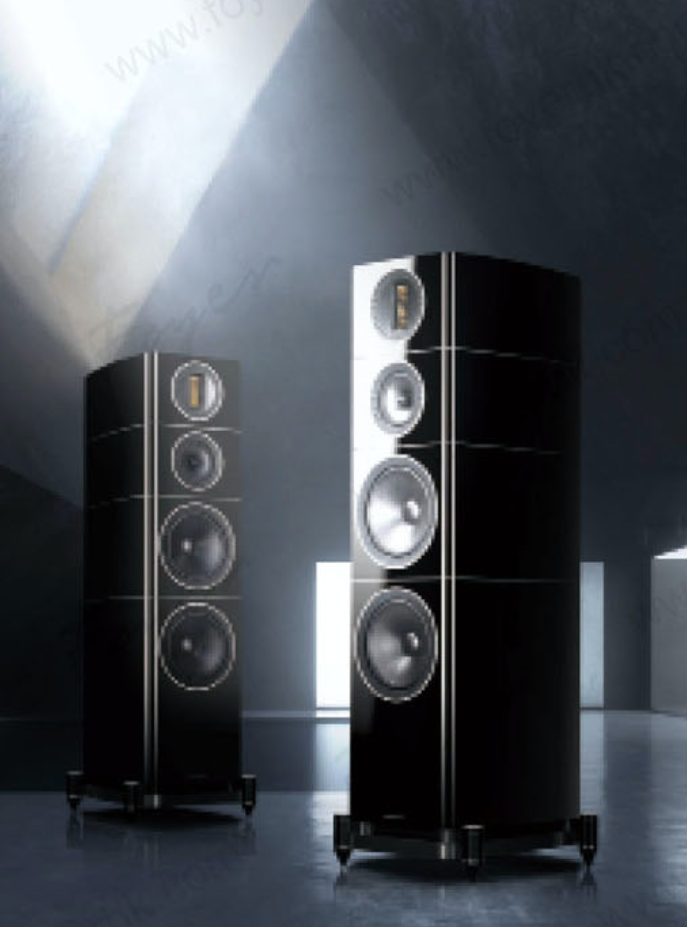
傳統高音單元都大多以球頂振蟆方式設計,而為了減少發聲時波形的誤差,球頂高音單元必須要達至既小巧又輕薄,不然將會大大減低高頻的效率及準確性。Wharfedale Elysian 系列特別使用 AMT (Air Motion Transformer) 氣動式高音單元,運用空氣流動方式,將一片片輕巧的震動薄膜放置在層列的強力磁極中間,薄膜表面覆蓋一層針對性排列的金屬線圈軀動其整個表面運動,在音樂驅動的影響下,膜片中的褶皺將會收縮並膨脹,擠壓它們之閒的空氣以形成所需的聲波。
這不僅是一種高效的空氣流通方式,而且由於薄膜由始至終都處於軀動系統的繁密控制之下,因此它也是非常的準確。另外,由於 AMT 是一種速度傳感器而非壓力傳感器,故此它能夠產生令人驚訝的快速瞬變和動力,由於失其率低,使其可產生出特闊的頻寬,並可自然地提供出色的音樂細節。
輕巧剛強的玻璃纖維中音單元
為了能獲得與 AMT 高音的靈敏度和精度相匹配的結果,Elysian 系列在中音單元錐體上採用了獨特的玻璃纖維編織物料,從而實現了輕巧和強度的完美結合,然後賦予其高可塑性塗層以控制其聲學性能。如此輕的質量,只有低阻尼的泡沫橡膠材料懸邊才能與它匹配,並再次塗有塗層以提高耐用性。中心相位錐的形狀經過特殊設計,可在較寬的頻寬(甚至偏軸)上達到線性輸出,從而增強了對音樂的自然響應,讓聆聽者隨心所欲地欣賞音樂,呈現有如裂場演奏般的空間感!
Nearly all of the functions are self- explanatory, everything – tone controls, filters, etc – are defeatable for purists, while the phono settings are relegated to the rear panel
Continuing its modern take on traditional Japanese purist amplification, Luxman finally offers a MM/MC phono/line preamp partner for its ultra-retro MQ-300 valve amplifier
Review: Ken Kessler Lab: Paul Miller
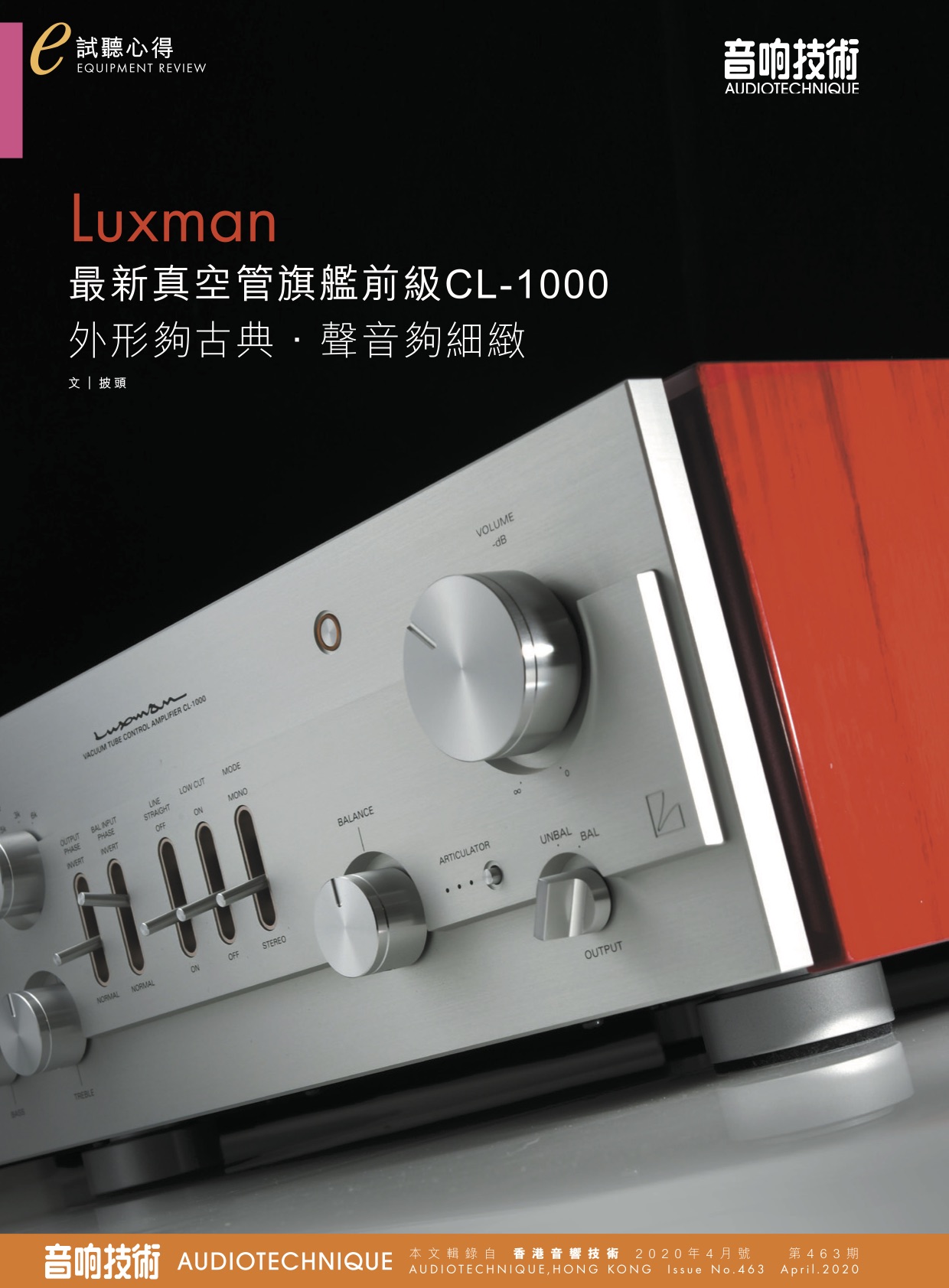
Just over three years ago I had my first taste of cost-no-object Luxman [HFN Nov ’16] in an achingly long time. The company has had its ups-and-downs, but fortunately its new owners – IAG, home to Quad, Wharfedale, Audiolab and Castle Acoustics – realise what a plum brand Luxman is, so it was expected that the flagship MQ-300 power amplifier which so charmed me would be followed by a worthy preamp. Enter the alluring CL-1000, at £16,000 a grand more than the power amp and looking every penny of its price.
To clarify what Luxman offers, the company has three main amplification ranges (as well as turntables [HFN Oct ’19] and digital source components). The three comprise the NeoClassico ‘minis’ [HFN Nov ’19], the solid-state models [HFN Jan ’18] and the vacuum tube offerings, of which this is the dearer of two preamps.
MODERN CLASSIC
But this isn’t any ol’ high-end preamp, for it is, after a staggering 45 years, the successor to 1975’s C-1000. This should have special resonance in the UK because I believe that our own Tim de Paravicini, of EAR Yoshino fame, had a hand in the design of that much-sought-after classic. You have to put them side-by-side to tell them apart. Rotaries and toggles in similar locations, a lavish wooden sleeve – Luxman knows how to handle retro with panache.
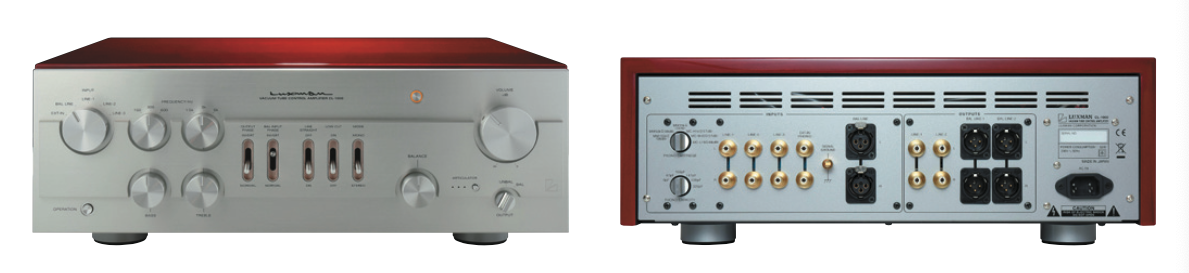
Aside from the lack of remote control, this is absolutely a 21st century offering. Valves long ago ceased to be anachronistic or sentimental, and are now permanently a sub-genre of contemporary high-end, just as this unit also benefits from numerous advances not available in 1975 – hence its true modernity. In keeping with current practice, it accepts one balanced source, three RCA line sources and phono via an input labelled ‘Ext In’.
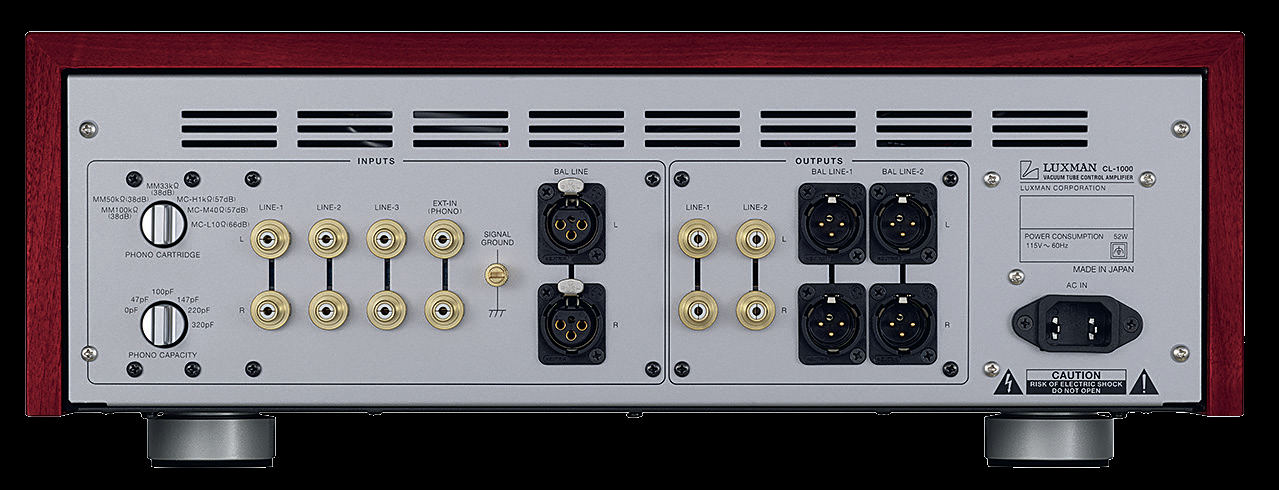
Why the odd tag? I grabbed the Japanese catalogue at the Tokyo show, and found inside a photo of the rear of the CL-1000 without phono stage rotaries, so I’m guessing it’s an option in some markets. What we get are adjustments for MM with three gain levels and six capacitance values and MC with three impedance/gain settings to match most cartridges. I tried two of each of varying characteristics and found gain, headroom and other parameters perfectly suitable, while the phono stage is deathly quiet, to boot.
Another nice touch are two sets of RCAs and two balanced XLRs for outputs. Though you can only run either/or, selected from the front panel, both pairs within the chosen type operate concurrently. Hence you can feed either two amp/speaker combinations simultaneously, or you can bi-amp via a split crossover. You just cannot run one balanced and one single-ended, or all four, at the same time.
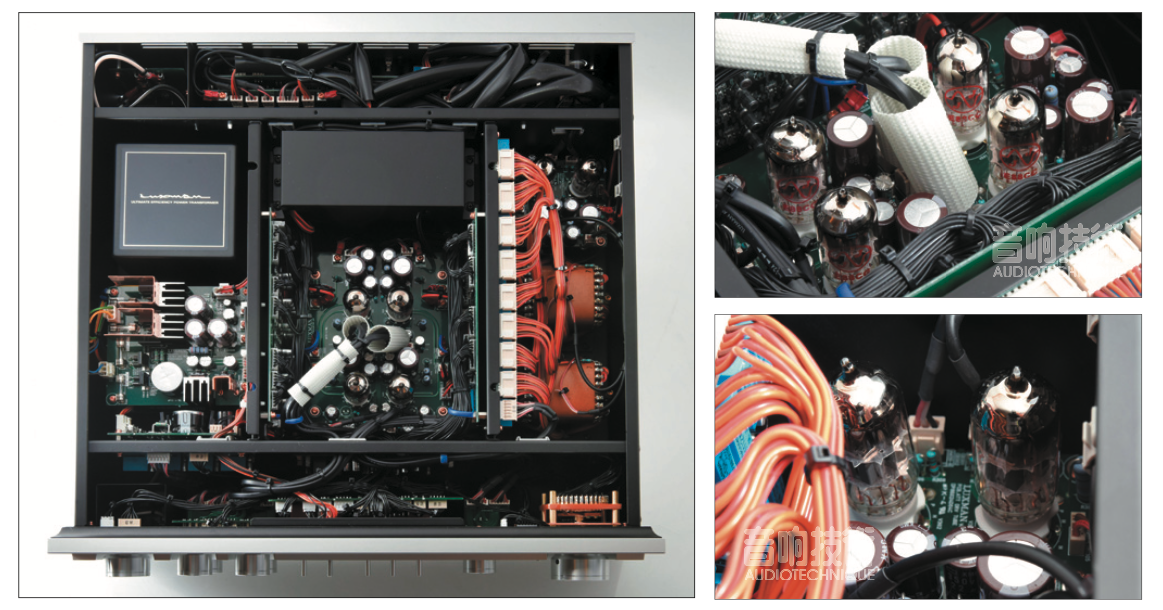
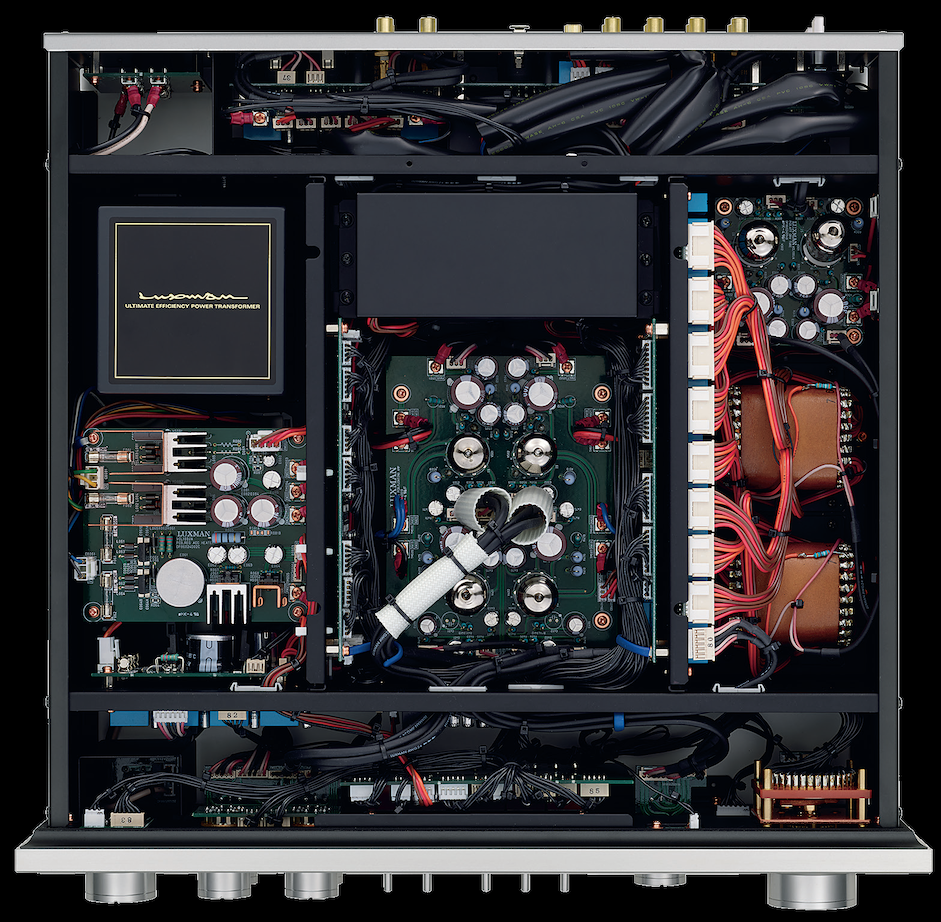
The LECUTA relay-switched, transformer-based volume control and E88CC tube buffer [far right, and see boxout, p53] feed the main E88CC triode line stage [centre], all powered via a screened linear PSU [left]
SHEER MAGNETISM
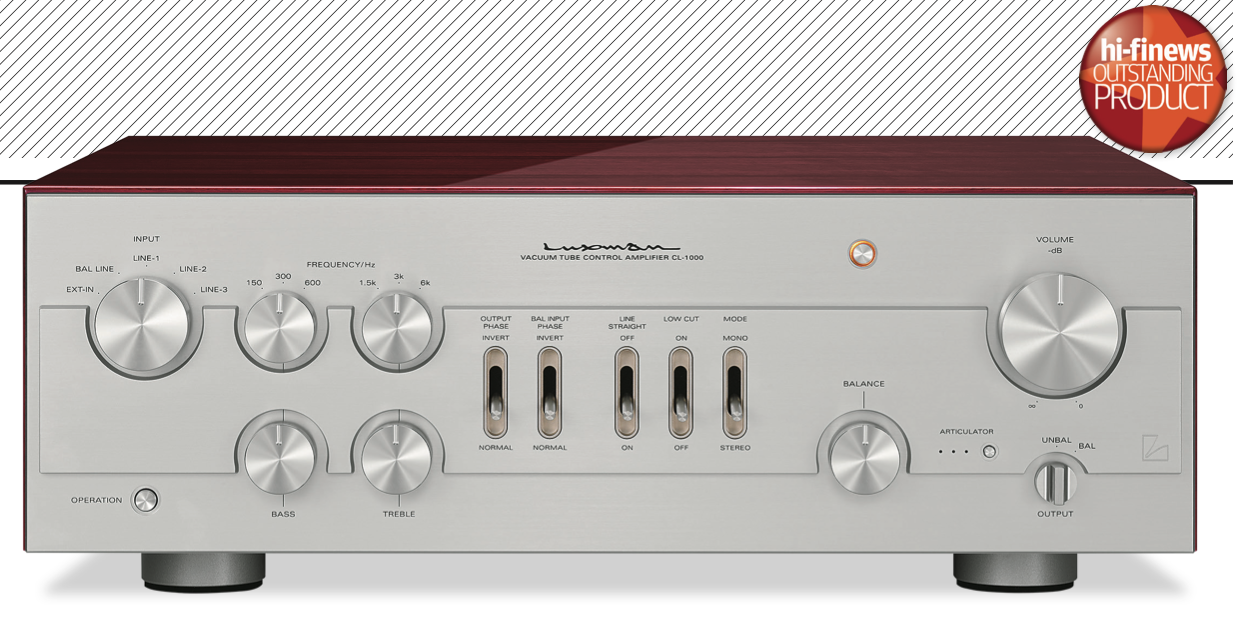
That loaded fascia may reek of the era before the minimalists took over, but every function purists deem deleterious to the sound can be defeated. The tone controls have user-selectable turnover points, there are polarity inversion switches for main output and balanced input, a ‘line straight’ bypass, a low-cut filter and – for those who have archive recordings on LP or tape – a mono/stereo selector and balance rotary.
Meanwhile, above the balance knob is a light that blinks when the unit switches on, and which glows steadily in playback state. Then there’s the ‘Articulator Function’. This is a procedure in which the device generates a special toneburst to demagnetise the transformer cores, ‘for an even higher degree of sonic purity’ according to Luxman.
Ready to listen, I was first treated to a waiting period when the row of lights next to the Articulator went through their sequence. It degausses the system, a practice that’s not so whacky as to be unique: some years ago, Gryphon sold a system demagnetiser, Air Tight offered a cartridge demagnetiser, as does Luxman in its EQ-500 phono stage.
Unlike switchable polarity inversion, degaussing is difficult to assess here because the CL-1000 goes through the process every time you turn it on, and I cannot find any way to defeat it from activating at switch-on. It’s not impossible, though, if you do want to try to hear a difference beyond the automatic degaussing when powering on because you can manually activate the process whenever you like simply by pressing the button on the fascia.
Despite never hearing that demagnetising was an issue that needed quotidian attention, I am not prepared to suggest whether or not Luxman is making a mountain out of a molehill. It remains to be seen (or heard) and I prefer to be generous and to look upon it as a form of automatic maintenance, as the switch-on sequence is hardly an intrusion, and it relieves us of having to worry about it, like valve auto-biasing or a self-defrosting fridge. And after all, anything that makes my life easier is welcomed with open arms.
TRANSFORMERS AND TUBES
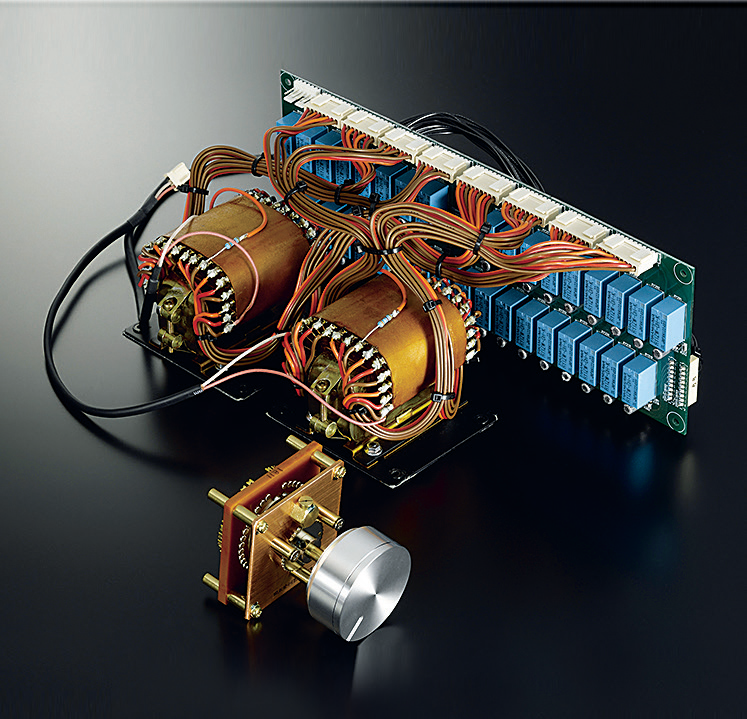
When purse strings are relaxed, the high-end audio designer has several routes open in the quest for the ideal ‘analogue’ volume control. Beyond a high quality film potentiometer there’s always the option of a switched attenuator using a ladder network of resistors to offer precisely calibrated ‘stepwise’ control. Then there’s the transformer route, realised in its most simple form as a purely passive control offering some +6dB of voltage gain at the expense of a high and variable output impedance. Luxman may use a pair of transformers in the CL-1000 but its ‘LECUTA’ (Luxman Electronically-Controlled Ultimate Transformer Attenuator) is closer in execution to the volume control regime used in Nagra’s HD PREAMP [HFN Nov ’18]. Here a tube line buffer (employing E88CC triodes) is combined with a transformer employing 34 secondaries that are switched in combination to provide very fine adjustment in volume. A further E88CC-based line stage, with super permalloy output coupling transformers, delivers a more consistent output impedance, and though ~480ohm is still on the high side, the CL-1000’s extended frequency response remains less sensitive to volume position than is typical with transformer-based preamps.
SILK DEGREES
Used with Audio Research REF75SE and D’Agostino Momentum Stereo power amps, which are balancedinput-only, I also had the opportunity to try it with the Audio Research REF160S in both single-ended and balanced modes – and you already know I preferred the latter configuration. Even from cold, the CL-1000 exhibited two initial impressions that stayed with me throughout the listening sessions.
First and most notable is its utter gracefulness. There is no shortage of subtle,
refined preamps on the market, but this unit exhibits such finesse that I found myself turning to overly familiar works just to hear if it could eke out more low-level information or infinitesimal details. With the 50th anniversary edition of The Beatles’ Abbey Road on the turntable, I decided to wallow in the masterpiece that is the medley on Side 2.
It certainly possessed a forensic quality that drew my attention to disparate musical events, but the magic was in doing so without sounding hygienic, aggressive or disciplinarian. Instead, it sounded –and there is only one word for it – ‘silky’. Whether reproducing raucous moments – ‘Polythene Pam’ burst from the speakers with the force of a military march – or ‘Because’, the CL-1000 retained an overall behavioural mode that inferred peerless consistency – the second of its most notable virtues. It was delivering reference-grade detail, neutrality and coherence.
As an unintended benefit, especially for listeners who feel the need to dissect music, the openness and transparency were of such a revealing standard that one could, if masochistic enough, listen for edits. I resisted digging out ‘Strawberry Fields Forever’ or ‘Being For The Benefit Of Mr. Kite!’ or other tracks assembled from myriad splices, but you get the idea.
Four line ins (inc. one balanced on XLRs) are joined by one phono in (on RCAs) with rotary MM/MC gain and loading options. Four line outputs are offered on single-ended RCAs and balanced XLRs. The CL-1000 has no remote control
TIME LORD
This is not, however, a caveat warning of painfully analytical behaviour. The sound remains of a seamless, mellifluous whole, such that I was continually reminded of full-range electrostatic speakers. When I turned to one of the ‘showoff’ recordings in my arsenal, the 60-year-old score to The Music Man, the spoken-word ‘Rock Island’ verbal assault that opens the post-overture proceedings was presented as what is best described as a holographic spatial event.
Why is this important, or, crucially, beneficial? Because that is one of the most irritating experiences in the history of Broadway, despite the recording being awarded ‘Best Original Cast Album’ at the first Grammy Awards ceremony in 1958. It’s just a bunch of whiny people shouting at each other in a rhythmic pattern. Hearing it once is enough. But so life-like was the reproduction through Luxman’s CL-1000 that I was drawn in, with spider/fly irresistibility. Hell, I even ‘Gary, Indiana’, which was sung by a screeching, lisping 11-year-old.
Is rendering the unlistenable ‘listenable’ a virtue? I can think of no higher compliment for a piece of hi-fi equipment. After all, it’s one of the bases of my obsession with open-reel, which even has me playing Ray Conniff, Mantovani and the like. Which led to another revelation: what the CL-1000 does with massed strings and huge orchestras is something to behold.
It was, however, an SACD that had the greatest impact. (I beg you: try it!) As dazzling as is The Thelonious Monk Quartet’s Monk’s Dream on One-Step LP, the SACD should be regarded as a milestone in this digital format. Via the CL-1000, it recreated the necessary club-like intimacy small-ensemble jazz albums demand to sound of their best.
The CL-1000’s part? It reaches into its own past, as well as that of the music itself, to deliver such vibrancy and realism that one might even suggest it is a time machine.
HI-FI NEWS VERDICT
At the risk of alienating those of you who think hair shirts are comfortable, the Luxman CL-1000 unashamedly marries truly stellar sonic performance with the sort of perceived value – and build quality – that eludes much of the high-end. It is a delight to use, it leads to hours-long listening sessions and it is so gorgeous that you’ll want to fiddle with the controls just for the tactile rewards. Magnificent!
SoundQuality: 90%
LAB REPORT – LUXMAN CL-1000
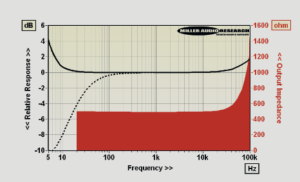
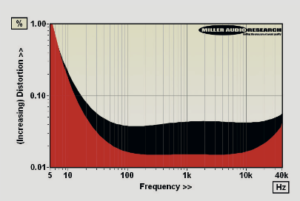
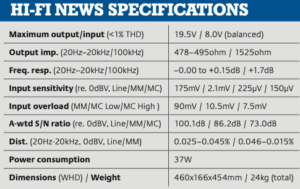
With the LECUTA volume cranked fully clockwise, maximum gain is +15.1dB (XLR in/out) with a channel imbalance of 0.12dB at +6dB gain. Maximum output is a substantial 19.5V with distortion increasing steadily with level from 0.0025%/100mV to 0.014%/1V and 0.15%/10V. This holds true from 100Hz-10kHz but THD increases marginally at higher frequencies (0.032%/1V/ 20kHz) and more obviously so at very low frequencies to 0.08%/ 20Hz and 0.9%/5Hz. This is more likely a function of the input and output coupling transformers than the dual-mono E88CC tube line stage [see Graph 2, below]. The triode stage is also very quiet, revealing an A-wtd S/N ratio of 100dB (re. 0dBV) and a residual noise of just –97dBV (14μV). The response is extended, showing a lift in the ultrasonic to +1.7dB/100kHz but, more worrisome for vinyl sources, a +12dB spike at 3Hz. The low cut filter [dotted trace, Graph 1] is mandatory for LP-based systems.
The CL-1000 has a versatile MM/MC phono stage even if the gain is not exactly as advertised! In practice the ‘+38dB MM’ input is closer to +54dB while the +57dB and +66dB MC options (40/10ohm loading, respectively) are closer to +73dB and +76.5dB. This means the CL-1000 is rather better suited to low-output MMs and MCs than you might suspect, without there being a trade-off in either the input overload margins or S/N ratios. In MM guise the CL-1000 has a sensitivity of 2.1mV with a generous limit of 90mV (32.6dB headroom) and a wide 86.2dB A-wtd S/N ratio. For MC (low/medium and high gain) the figures are 225μV and 150μV for sensitivity with overload limits of 10.5mV and 7.5mV, and 73.6dB/67.0dB for the S/N. Clearly ‘MC Low or Med’ are the settings to choose for 95% of likely MCs.
Output impedance (red infill) versus MM/Line response (black, solid line; low cut filter, dotted)Distortion versus extended frequency at 0dBV (Balanced line input, red; MM phono input, black)