爵士樂最能展現系統的活生感。放上鼓手 Bertrand Renaudin 領軍錄製的 La traversee du jour 專輯。我發現這個系統的有著敏捷的反應速度,聲音完全沒有拖遲感,聲音細節清楚明確,且每個細節都有畫面,打擊樂不僅活生,而且見得此系統的動態表現驚人。第一軌音樂一下,打擊樂渾圓飽滿的顆粒登時迸現,鋼弦吉他刷下可以見得力道,聲音是有衝擊感的,長笛吹奏的聲音帶有圓潤質地以及氣音細節。第二軌的鈴鼓敲打起來真是活生,手觸鼓面發出乾而短促的聲音,但敲擊的剎那,鼓邊的金屬片撞擊聲清脆而且具體。
我越聽越入神,越聽裡頭越是激昂;但又豈止我呢,一夥人早就都放下手機,一起進入西貝流士對祖國的歌詠深情裡了。早些我放的幾張 CD,Ross i每一張都借來看,他非常享受那音樂。這芬蘭頌一放完,我們幾個不禁討論起錄音版本來了。聽音樂本當如此,音響永遠是為音樂服務的,如果音響把我們帶到音樂裡,那音響就高竿了,如果只能讓我們停留在對聲音的感知,那就還不是 Hi End。
記者:這本手冊是 SPENDOR 的產品規范嗎?還是某方面的指引?
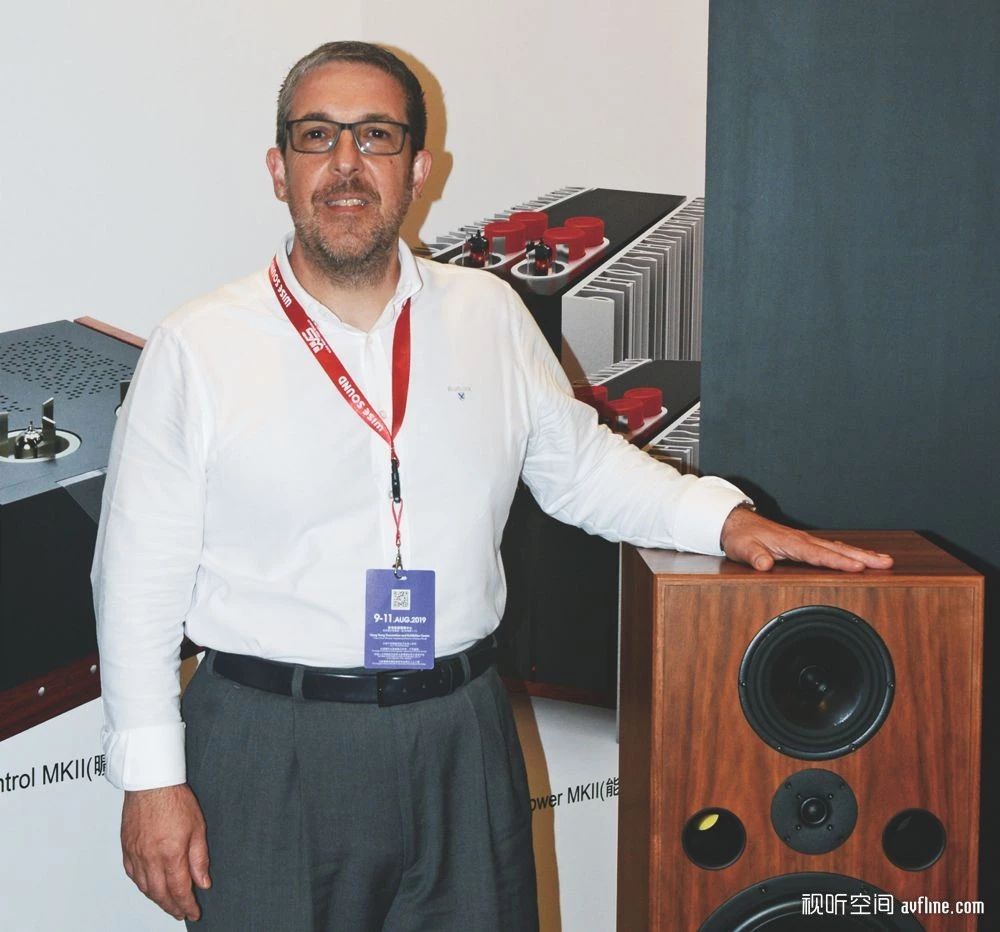
Mike Picanza 先生:不是產品規范,但是這本手冊對我們來說很重要,它記錄了SPENDOR 從開始到現在的整個發展歷程,我們要經常回顧一下這個歷程,這有助於我們研發新的產品系列。
Mike Picanza 先生:(他指著手冊上的三角形圖形–消費趨向圖形對我說),這個三角形代表整個音響市場的趨勢,底部代表一般用戶,上面代表最高端的用戶,在30-35 年之前,高級的用戶是比較多的,那時候玩音響的人群也是比較多的,而現在聽音樂的方式改變了,比如使用手機這樣的設備來聽音樂,因此高端的用戶就越來越少,其實普通的用戶中有一部分希望擁有好一些的音響器材,他們的消費能力沒有達到這個程度,但是他們完全有可能發展成高端用戶的。
我們將市場上的消費者劃分為三種。第一種是高端用戶,他們對音響很了解,也懂得欣賞音樂,這部分人的年齡基本在 40歲以上,他們的收入普遍不錯,對音響的需求也高。第二種是比較年輕的用戶,他們喜歡網購,喜歡用 Apple Music 這類流媒體聽音樂,喜歡比較貴的耳機,但他們的收入相對來說比高端用戶低一些。第三種是中端用戶,他們大部分人的收入尚可,對音質有一定的追求,有一定的消費能力,但對於音響的了解程度不及高端用戶,所以他們比較喜歡 B&O、SONY、BOSE 這類產品。
記者:SPENDOR 洞察市場,也做了細分,這本內部手冊很給力(心中不禁暗暗佩服)。
Mike Picanza 先生:做生意一定要知道你的客戶在哪裡,如果不知道客戶在哪裡,所有的市場推廣投入的金錢和人力都會白費。
記者:剛才說到年輕的消費者,其實有些年輕人很喜歡有源音箱,SPENDOR 會不會有跟進呢?
Mike Picanza 先生:這部分的消費者類似我們A系列所對應的客戶,他們也會喜歡有源音箱和藍牙音箱。我們已經跟兩位剛從聲學專業畢業的大學生簽約,他們有比較新的設計理念。我們對這方面已經有所准備。
記者:看來 SPENDOR 還是很善於開拓市場,眼光也比較長遠。
Mike Picanza 先生:謝謝!其實 SPENDOR 創辦人是很有名氣的,它是錐盆喇叭的發明者,也發明了一些新的技術,我們會朝著這個方向不斷創新下去。我們的目標不在於銷量有多大,不是要做第一,而是希望能做出各類消費者滿意的產品,讓消費者在購買音箱時就會想到 SPENDOR。
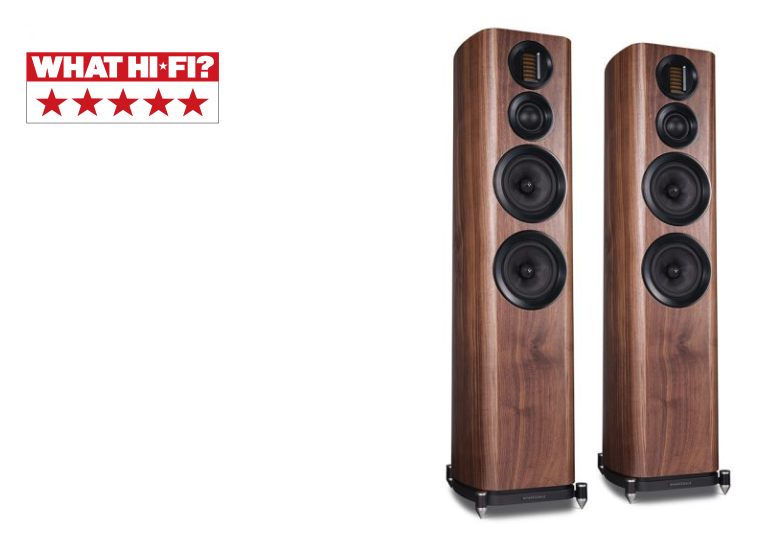
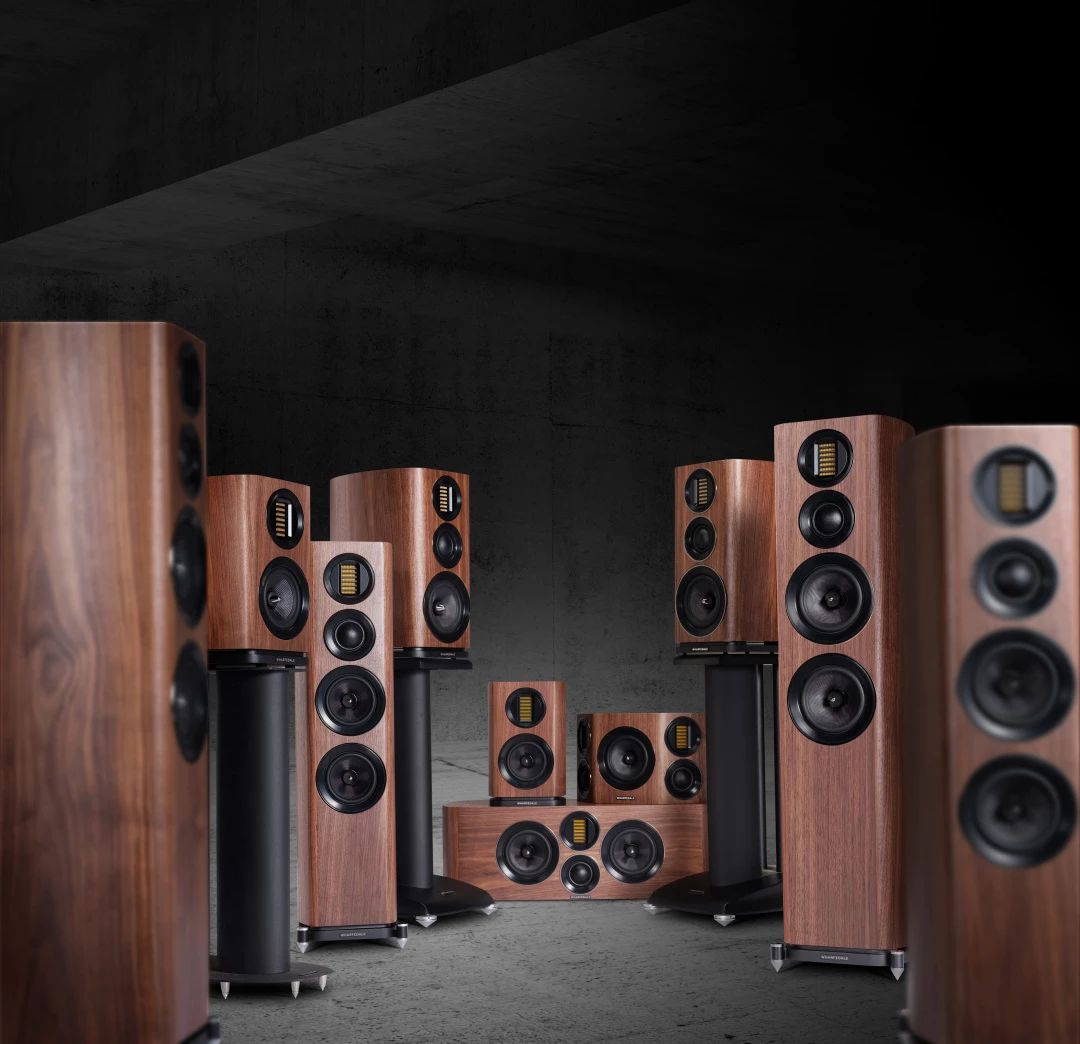
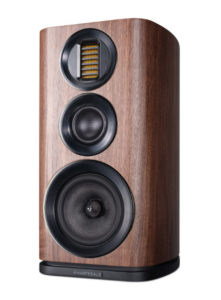
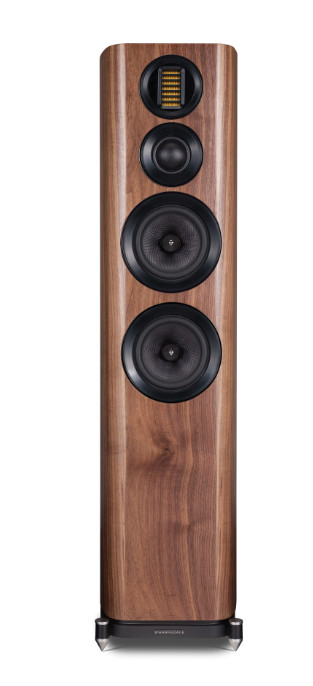
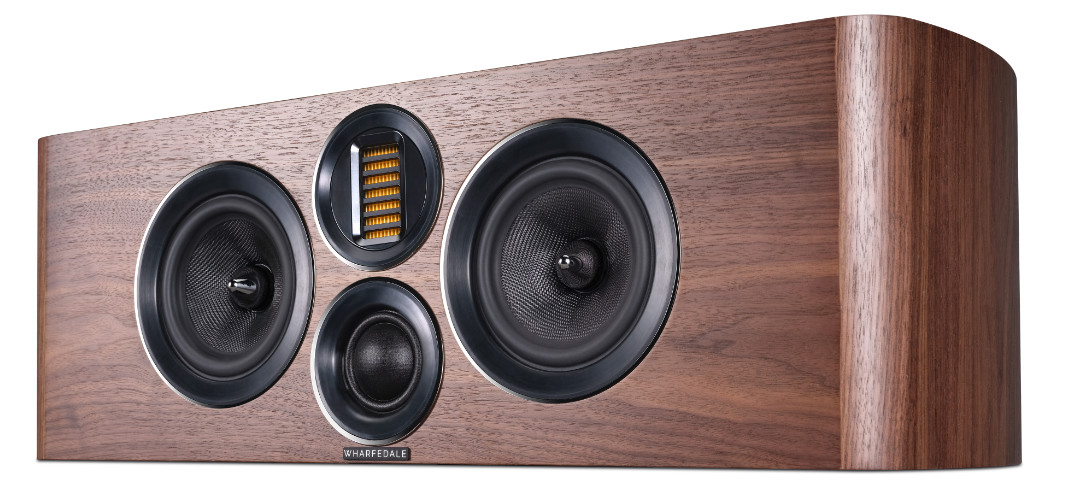
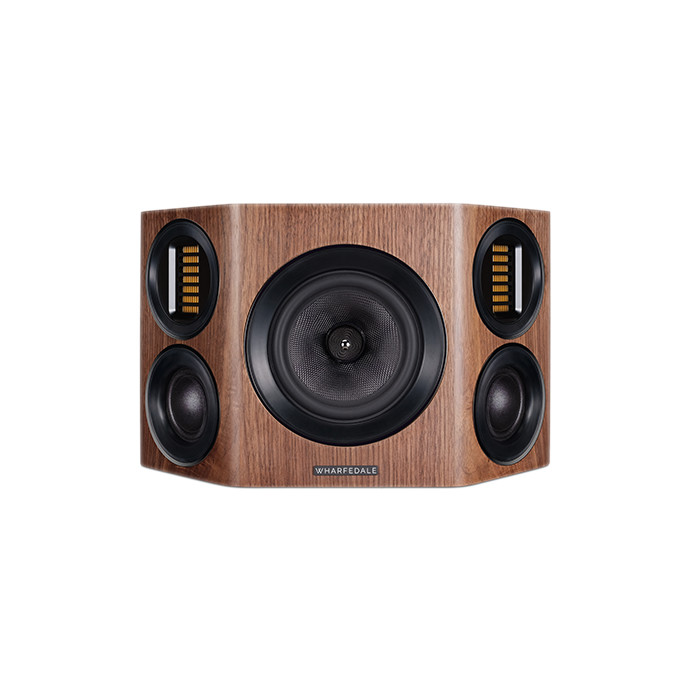
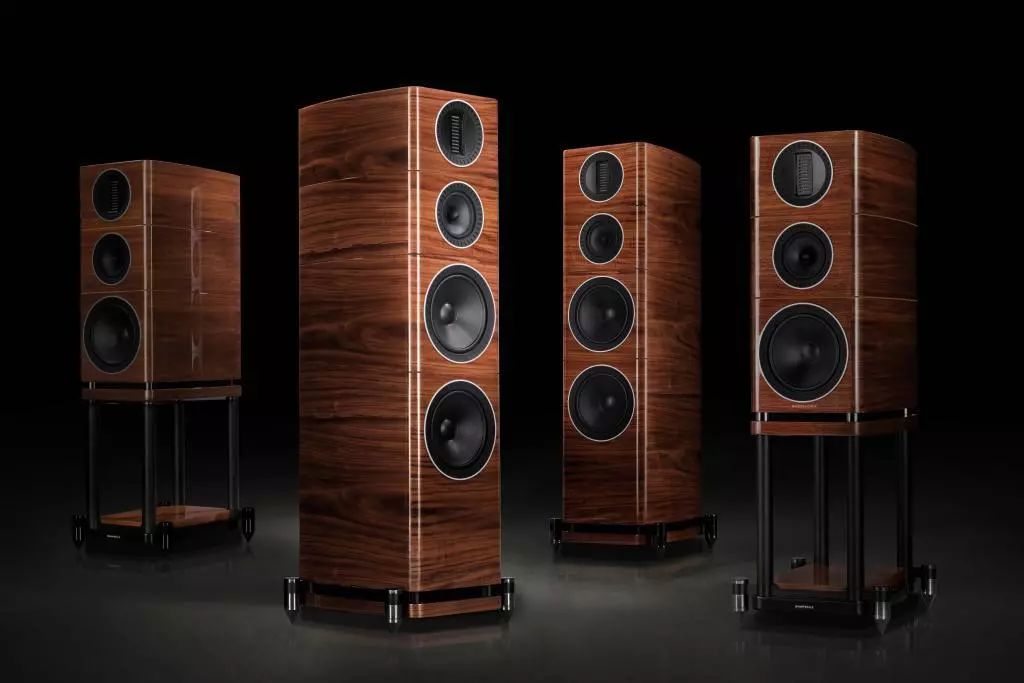
Think of Wharfedale and we can pretty much guarantee the next word to enter your mind is Diamond. So successful have the various budget Diamond ranges been over the decades that it’s easy to forget that the company also makes premium products, such as the new Evo 4.4 floorstanders on test here.
These are the biggest and priciest offerings in the company’s new Evo range and are packed full of so much technology that we had to double-check the speaker’s price tag to make sure it was for a pair of speakers, rather than just one.
Build
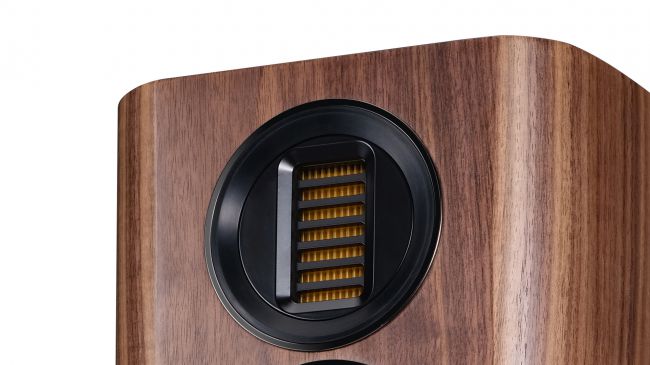
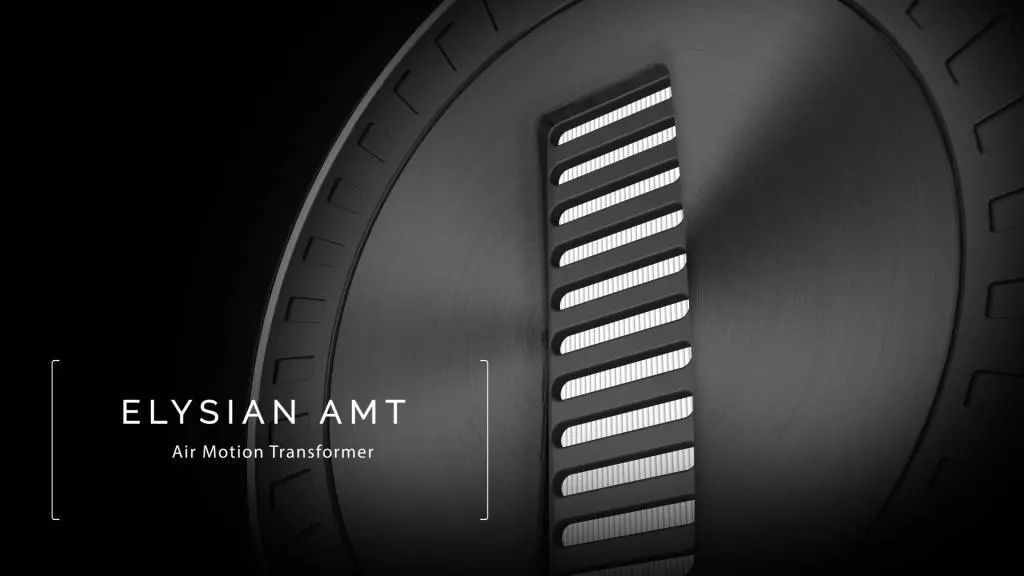
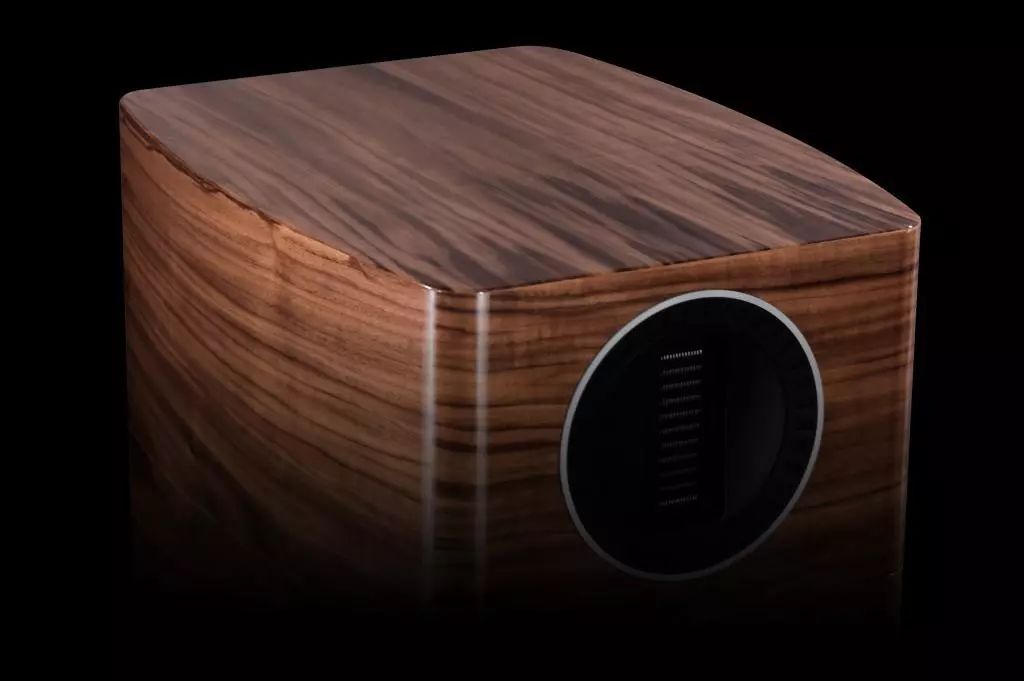
What kind of technology? Well, there’s the Air Motion Transformer tweeter for starters. While there are a few similarly priced speakers that use such a unit, it’s a type of design more usually seen at far higher prices.
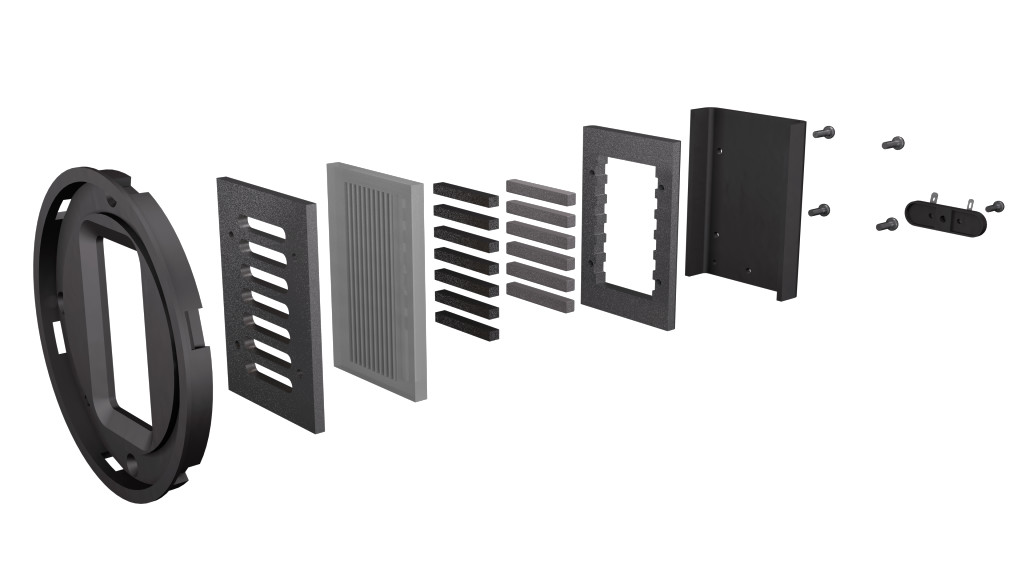
An AMT works by having a light, pleated diaphragm driven across its surface by a row of carefully placed magnets. The pleats contract or expand according to the music signal, squeezing the air between them in the process to create the sound wave. The sound from this kind of unit is claimed to be fast because of the light diaphragm, and accurate due to the complete surface area being driven.
The 55 x 80 mm AMT hands over to another unusual drive unit, a dome midrange, at a relatively high 4.7kHz. Few speakers use a dome midrange because of the cost and difficulty of development, but the one used in the 4.4 has a 50mm soft dome coated with a damping compound to control resonances. There’s also a specially shaped chamber behind the dome that scatters and absorbs the diaphragm’s rearward sound, so reducing distortion and improving detail.
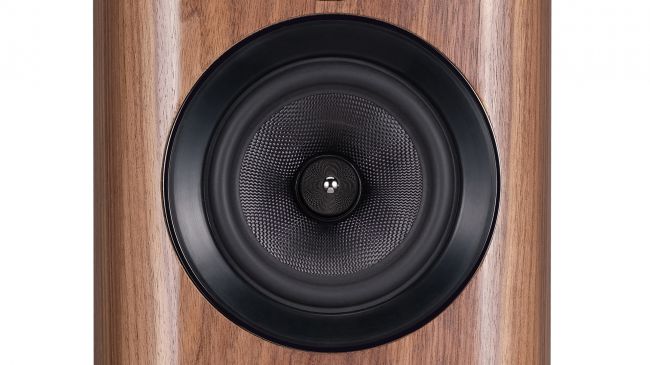
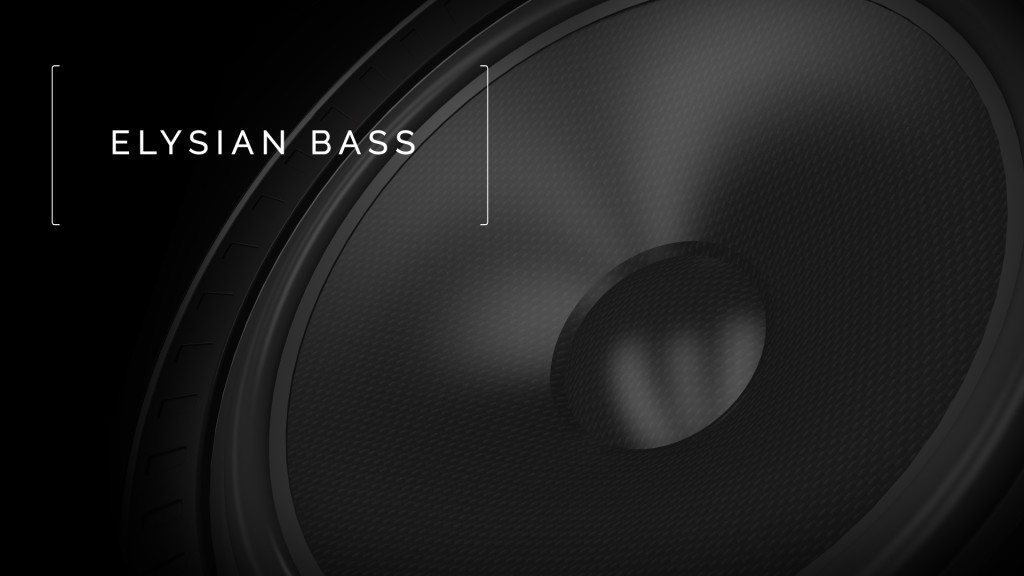
This dome midrange unit has a wide frequency response ranging from 800Hz to 5kHz. This response along with the powerful motor system helps it integrate with the AMT tweeter as well as the twin woven Kevlar bass drivers that sit below it on the front panel. The crossover point between the midrange and bass drivers is 1.2 kHz.
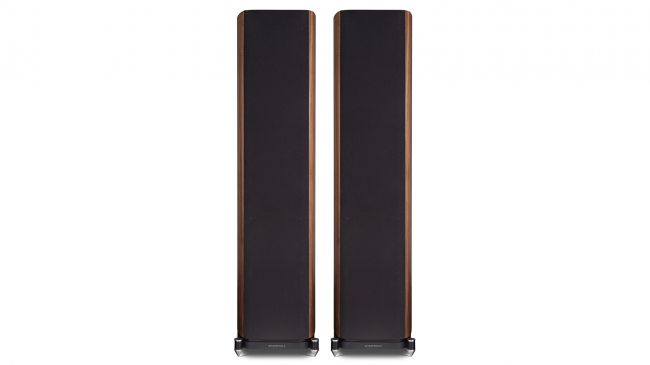
If you’re thinking that any speaker that stands 106cm tall and has twin 15cm bass drivers should deliver plenty in the way of bass, you’d be right.
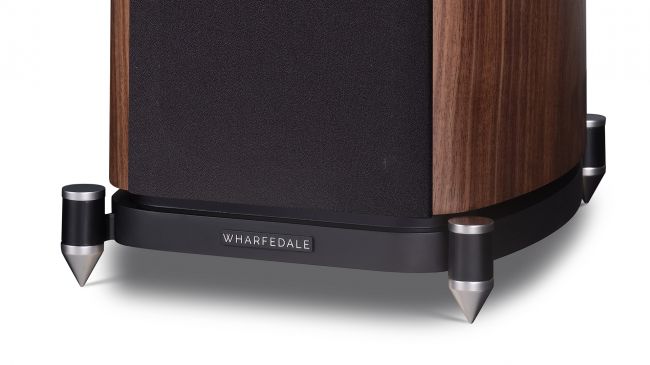
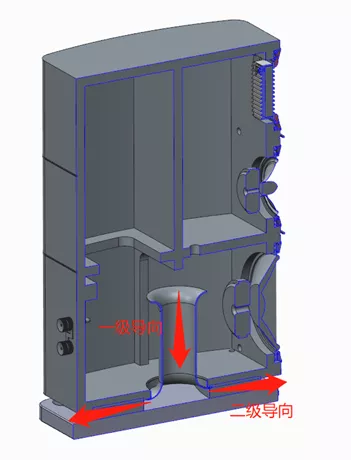
The output of those two bass drivers is helped by a downward-facing port arrangement where the low frequency sound fires out through a gap between the base of the speaker cabinet and the floor plinth. This is a technique that Wharfedale has refined in recent years and is claimed to better match the acoustic output of the port to the room.
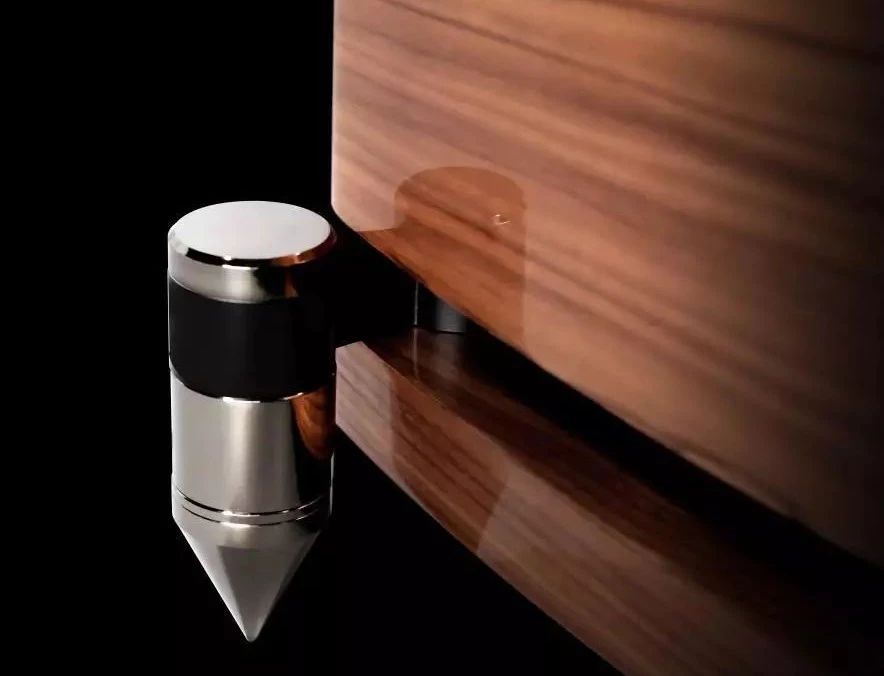
The Evo 4.4’s build quality is good for the price. We like the way the elegantly curved cabinet is put together. It’s strategically braced and damped to provide a solid, low resonance platform for the drive units to work from. There are three finish options – black, white and walnut. The standard of fit and finish on our review samples is good.
Compatibility
These are pretty big speakers, and sound best well away from the rear and side walls in our medium-sized test room. Place the speakers too close to either room boundary and that powerful low end starts to dominate.
Get it right though, and add suitably talented electronics into equation, and you’ll find the Evo 4.4s to be superb speakers for the money. We think something like a Cyrus CDi CD player coupled with Rega’s Elex-R would be a good starting point for a system.
The Evo 4.4 has a nominal impedance of 4 ohms, but it barely dips below that point at its minimum, so shouldn’t be a particularly hard speaker for an amplifier to drive. That means the absolute quality of the amplifier is going to be the decider rather than its outright grunt.
Sound
It won’t come as a surprise that relatively big speakers produce a large-scale sound with plenty of authority. We listen to Dvorak’s New World Symphony and are impressed by the Wharfedale’s dynamic reach and ability to cope with a mass of instrumentation with composure. They go loud with an ease that suggests plenty of headroom and remain organised when the recording gets demanding.
The transparency and subtlety these Wharfedales display is far less expected. There’s a real feeling that these speakers are digging deep into the recording and presenting that information in an honest way. They track the complete envelope of a note well, clearly defining leading and trailing edges without sounding overly etched.
Rivals such as the excellent Fyne Audio F501s sound more forward, and perhaps more exciting because of that, but over a longer listen the Evo 4.4’s easier-going presentation is more natural and convincing. It’s the kind of sound that appeals over the long term rather than during a short audition at a dealer.
The combination of the AMT tweeter and dome midrange delivers much in the way of resolution and transparency. These speakers sound impressively articulate through these frequencies and deliver vocal-led music such as Mount The Air from The Unthanks brilliantly. There’s nuance and texture in voices that helps to communicate emotions really well.
Tying everything together is a fine sense of timing that results in surefooted rhythms and the ability to present a mass of instrumentation as a cohesive and musical whole. The longer we listen, the less we find ourselves analysing the sound, and the more we simply enjoy the results.
The Wharfedale’s refined tonal presentation is nicely judged, treading that fine line between attack and smoothness well. Over our review sessions we listen to everything from Bob Marley and Bruce Springsteen right the way through to Orff’s Carmina Burana and never feel that these Evos are dictating our choice.
Verdict
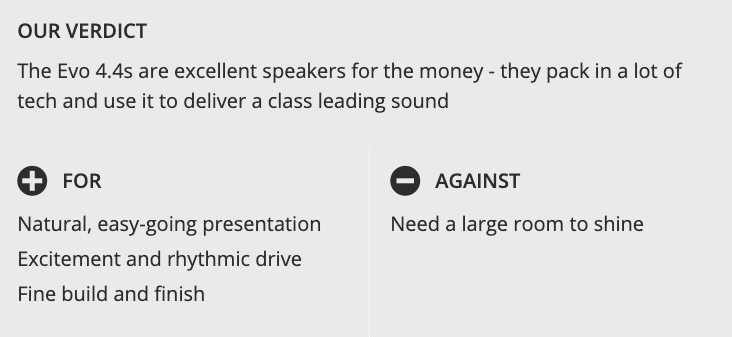
These floorstanders prove that Wharfedale has the ability to mix it with the very best at more premium prices. The Evo 4.4s are entertaining and detailed with enough in the way of refinement to make them an excellent long-term choice. If you’re looking for floorstanders at this level, put these towers high on your shortlist. You won’t regret it.



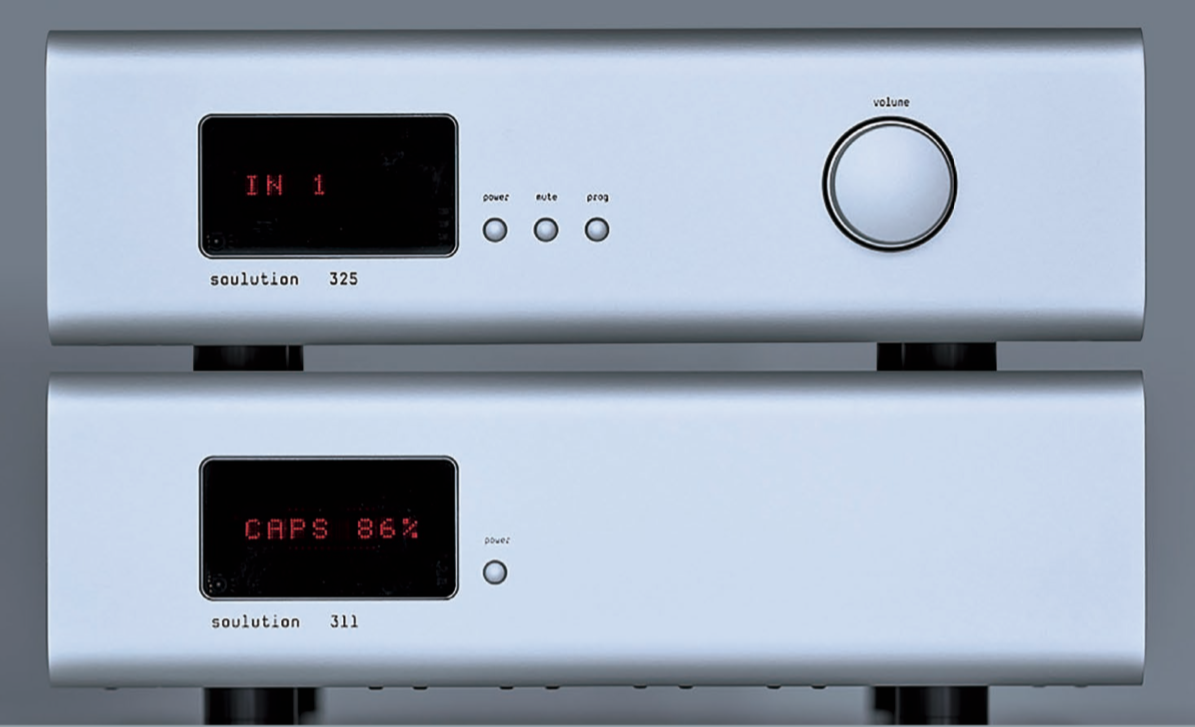
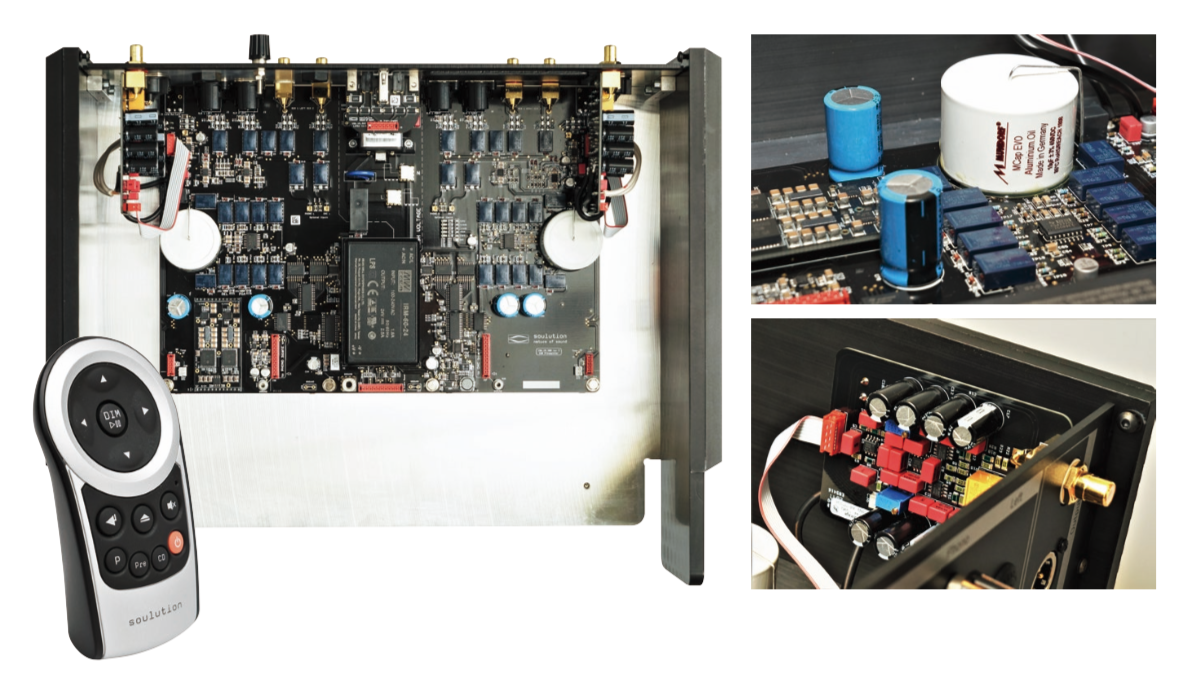
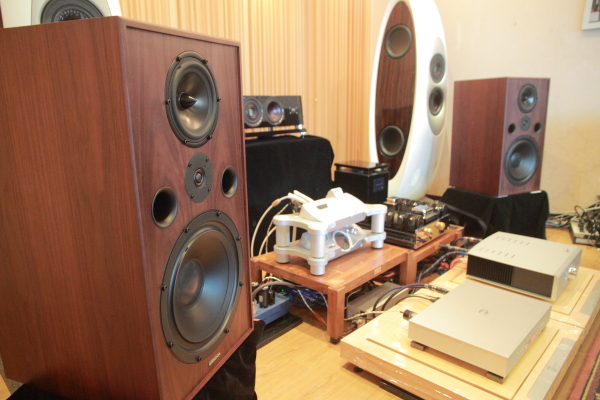
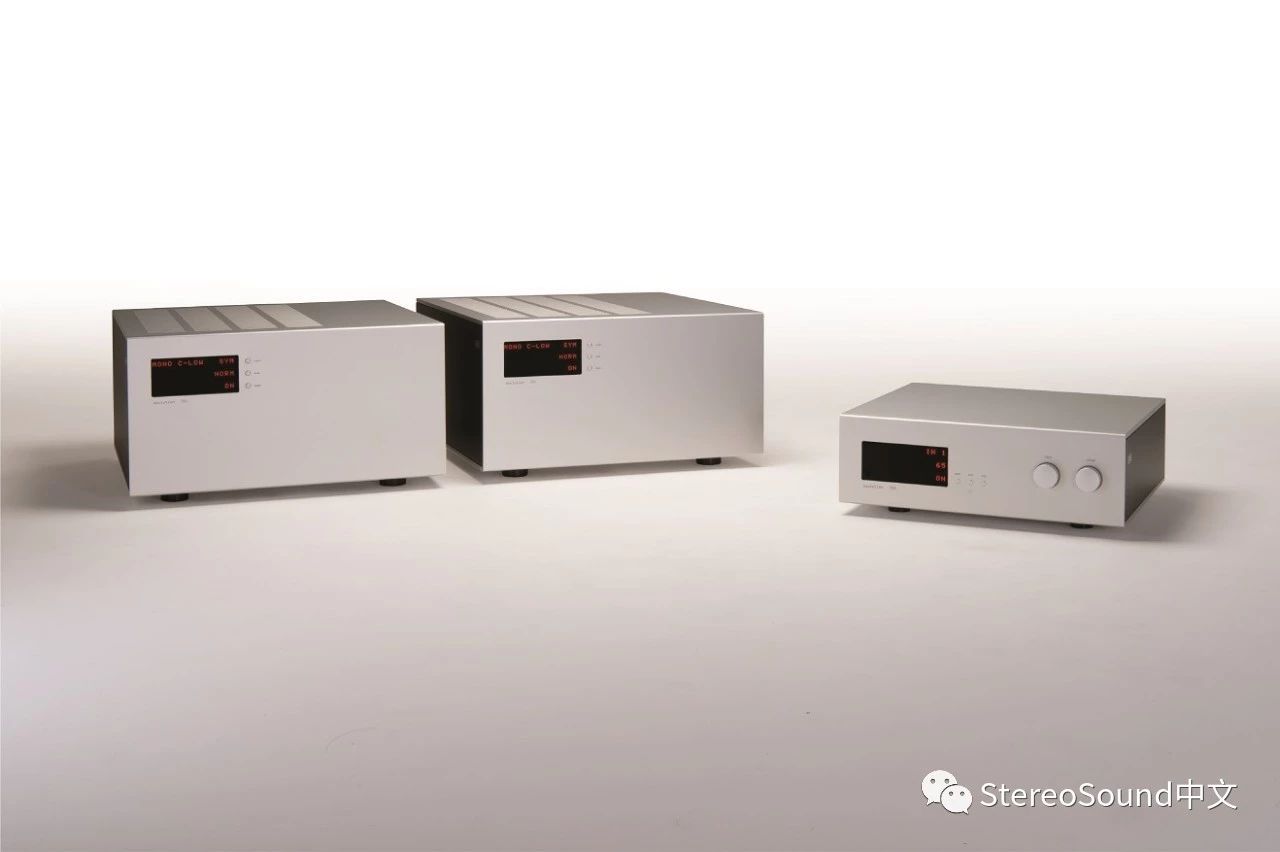
 經過一輪配搭後,決定今天和 soulution 合作的手足, 有駐場的 B&W 802D3 和AA CD轉盤/DAC 組合,線材是 Inakustik NF-1204 air XLR 訊號線兩對、Analysis Plus Oval 2 MK2 前後級電源線和 Inakustik LS-1204 air 喇叭線。 打頭陣的是 Nicki Parrot/Byron Stripling 的《Stompin’At The Savoy》。第一軌“It Ain’t Necessarily So”,一開聲已有驚喜:小號嘹亮,帶有一種微暖的金黃光澤;音符之間的滑動,流暢連綿中輕帶金 屬摩擦感;高音的穿透力,強而不猛,勁而不飈。牛筋則肥瘦適中夠「彈耳」,彈撥的力量毫不鬆散非常集中,所營造的墊底低音及節奏感恰到好處。
 試同碟 “Cheek to Cheek”,男聲唱到低音處,聲底輕輕的沙啞感,自然像真;不論男女聲,其喉底細膩度和血肉感均可媲美優質膽機。 再以葉振棠「笛子姑娘」 《HQCDII Reference Sampler》版,這首教堂素顏錄音來試人聲。葉振棠向以感情含蓄、演繹細緻見稱;soulution 把葉振棠極微細的震音轉腔、呼吸造句、 運腔輕重等等變化盡現無遺,令曲中那股淡淡哀愁瀰漫四周。
 金屬味十足的嗩吶,吹奏出一段熟悉的旋律——“we wung wung~~~” 龍劍飛要使出「萬佛朝宗」了!對,試的正是與《如來神掌》已融為一體的「闖將令」。這個收錄在《功夫》電影原聲大碟的版本,由香港中樂團演奏,當然沒有粵語長片配樂那種炒豆效果;相反,在 soulution 加持下, 一開始那段嗩吶獨奏,穿透力十足,高亢入雲,有先聲奪人振奮軍心之勢,而絕無尖硬刺耳之弊;接下來的齊奏, 各聲部音質準確像真,分隔度高,即使弦撥齊鳴、鑼鼓喧天,也是熱鬧而不吵鬧,大鼓聲更是爽彈明快,令人深深 感受到戰意激昂的氣勢。 叮噹:「剛才那支嗩吶,雖然吹到震天亦唔覺嘮嘈剌耳,樂團的整體音色,播得恰如其分又平衡,瞬變又快, 剌激得來亦耐聽。」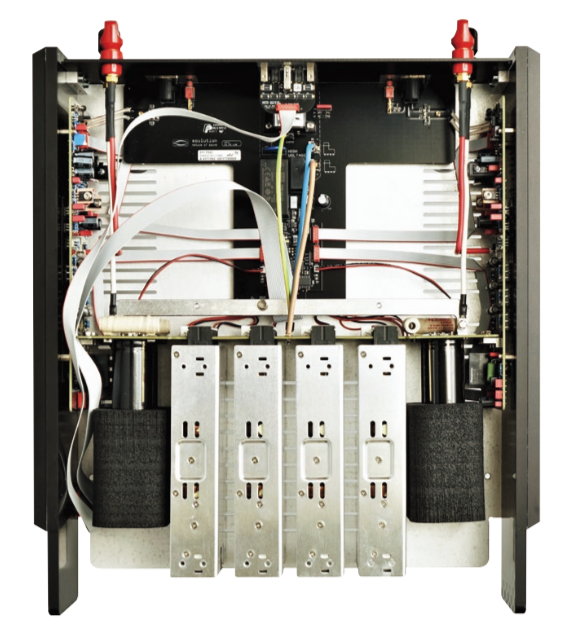
 「同意,這類中樂確實難倒不少石機:一種是高速高分析力型,雖然效果剌激,但多因高中音偏硬偏薄而導致吵耳;相反是重口味型,效果無疑順耳,但又因高中音磨 滑加厚和速度偏慢而削弱熱鬧氣氛。soulution 雖屬高速高分析力,但難得高中音無論軟硬厚薄,均恰到好處,亦 無磨圓挫滑加甜加暖。低音更擁有頂尖控制力:不但收放快、落點準、彈跳佳、punch 感強、線條靚,而且尾韻清晰層次分明。」毒癡一口氣地分析。 接着連續試了兩隻超發燒錄音CD:《Yuko Mabuchi Trio》和《荒城之月》。這套 soulution 可謂不負所托,兩隻專輯的樂器定位和結像之優 秀,效果之鮮明,令人感到好像進入了 VR 世界,演奏家和 樂器一一如在眼前、觸手可及。
 毒癡大驚:「嘩!我跟樂器及各樂器間的距離,明確
 古典音樂方面,是次挑選的都是貝多芬作品。首先試 Perlman 和 Ashkenazy 演繹的《克羅采奏鳴曲》。此曲有一種懾人的張力,小提琴和鋼琴時而對陣時而交融,氣氛時而緊湊時而舒緩;音樂藉着 soulution 優異的速度變化和微 動態所營造的戲劇感,毫無保留地盡情爆發,箇中情感的高潮起伏以至終極釋放,又表達得細緻入微,扣人心弦,聽感自然順耳而不覺突兀。 叮噹吁了一口氣:「Kreutzer 的曲意實在表露無遺,我簡直覺得 Perlman 和 Ashkenazy 是以音樂演了一齣劇力萬鈞的好戲!現在更加感受到托爾斯泰為何會受此曲啟發,寫出丈夫因妒恨而殺妻的同名小說《克羅采奏鳴曲》!」 毒癡亦聽到喘不過氣:「這套 soulution 的音樂微表情 遠勝太多同價位石機了,足以跟這方面的武林盟主——優 質三極管膽機一較高下。尤其小提琴的柔韌纏綿及擦弦質感,既充滿三極管味,又有高速石機的飛快瞬變,妙!」
 soulution 演繹的貝多芬第七交響曲第二樂章,同樣是精彩絕倫。選播的是 Carlos Kleiber 指揮維也納愛樂樂團、1976 年完成錄音的版本 (單曲日版,比貝七與貝五的合曲版靚聲)。Kleiber 擅於營造步步進逼的緊湊氣氛以及引人入勝的戲劇效果,而 soulution 極速的瞬變反應、細膩的動態灰度、從容的能量收放,今回可盡 show quali:此樂章由漸弱至漸強、層層推進的變化,起伏自然旋律性強, 又帶有一種蓄勢待發的內在張力;樂音極弱時,細節清楚毫不含糊,推到高峯之際,樂團能量大爆發但仍然層次分明有條不紊,所撐起的音場更如 concert hall 般寬廣深邃!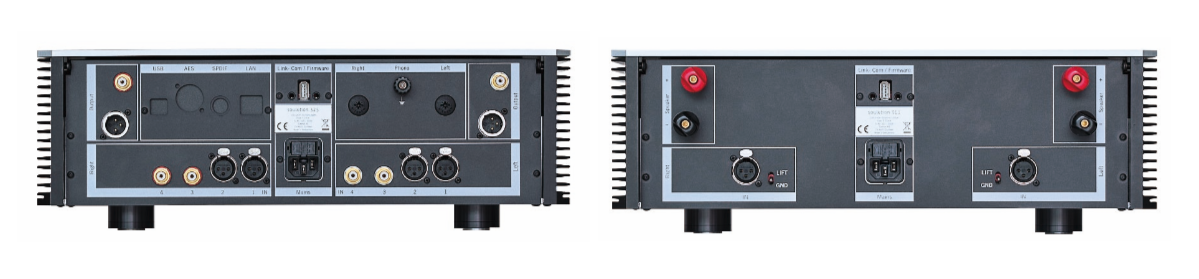
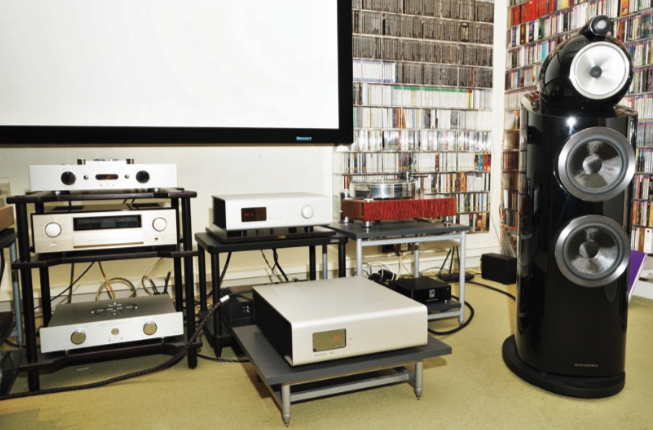
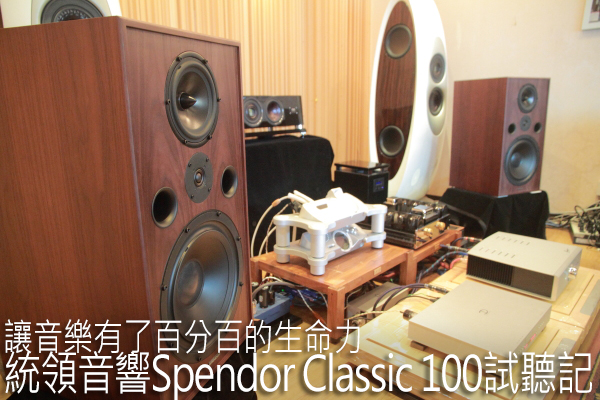
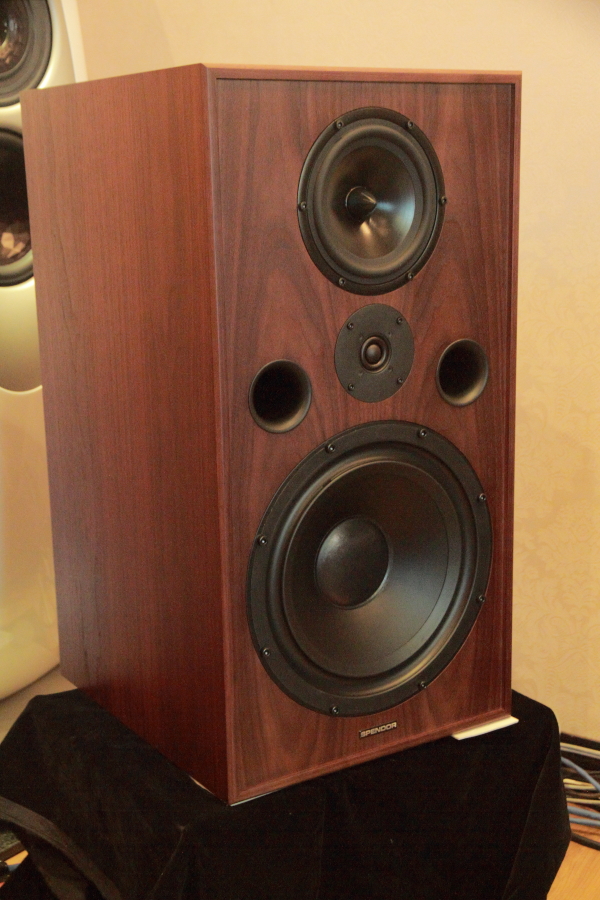
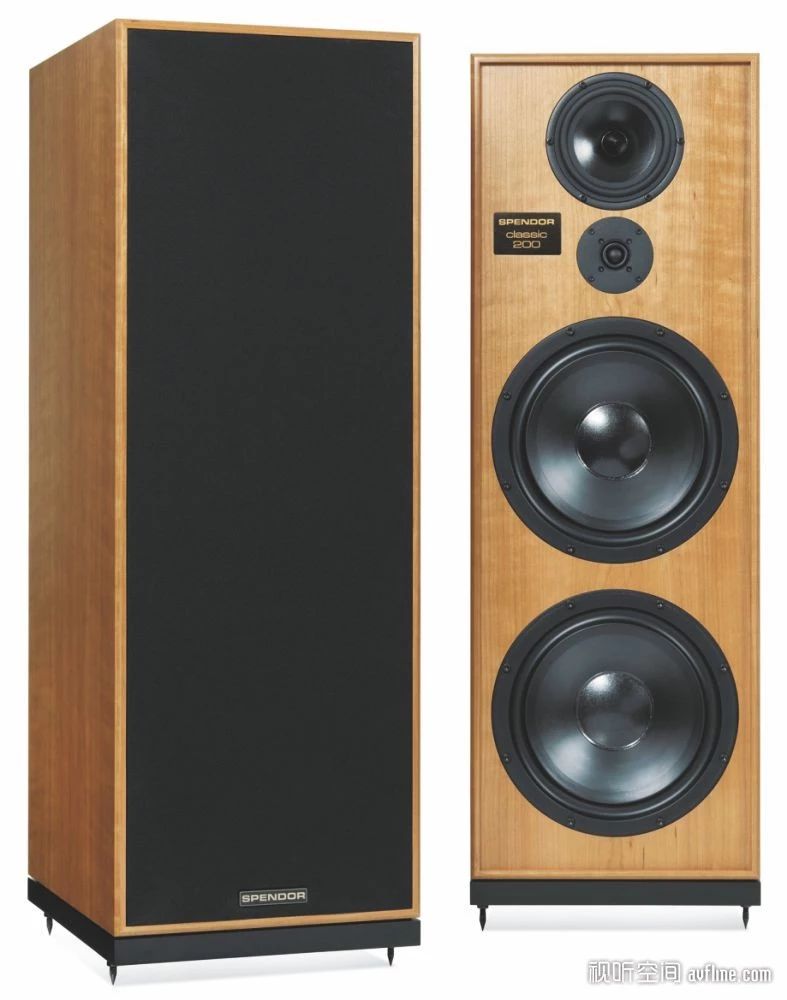
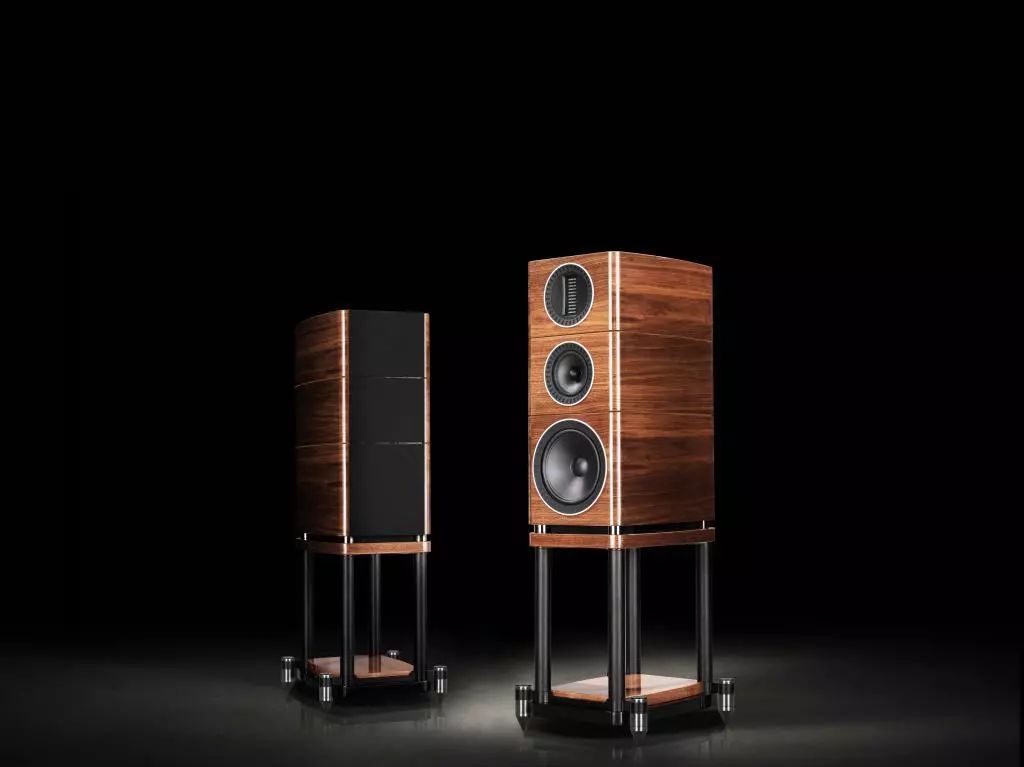
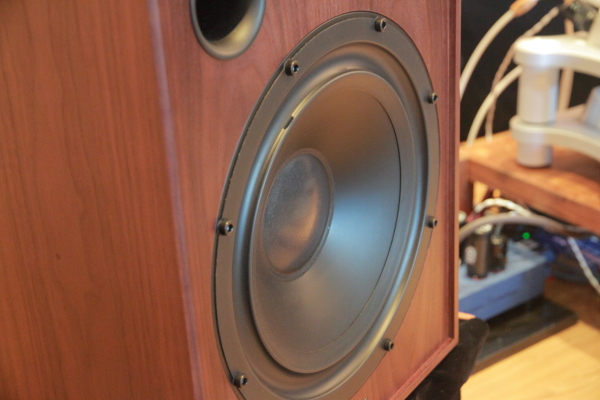
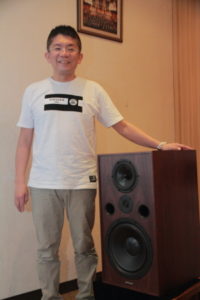 我知道您在想什麼。我沒忘記這篇主角是誰。這次試聽的是 Spendor Classic 100 書架喇叭,與其說是書架,稱之為「需要腳架」(stand mount)的喇叭更為適合。單是高度就有 70公分,僅需墊高 30公分左右,就達到落地喇叭的高度。3單體3音、低音反射式設計,而且,誠如其名,真是一派經典。事實上,它就是經典。打從 1989 年 Spendor推出 S100 之後,接著在 94年推出 SP100 的改款,繼之以SP100R2,而,Classic 100則是2017年才推出的最新版本。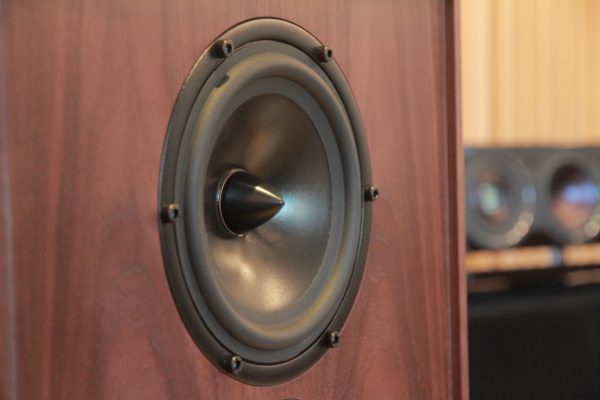
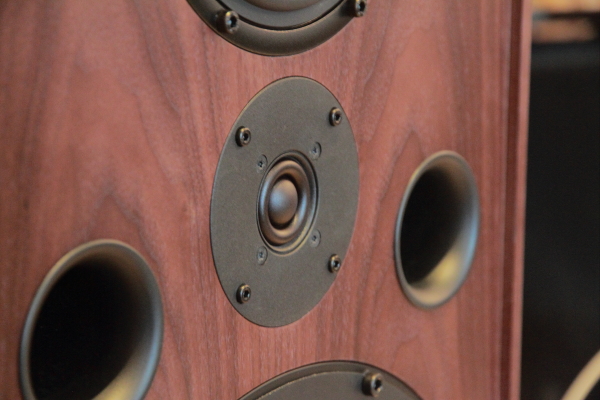
 這第一張 CD 是法國女高音 Patricia Petibon 演唱西班牙歌曲的專輯「Melancolia」。錄音當中有女高音的演唱,有一個古樂編制的室內樂團,並且配有吉他以及一些民俗樂器。音樂一放,Petibon的聲音凝聚,定位在中央偏做一點的位置,而且音像立體。她歌唱當中不時改換音調,抑揚頓挫。這樣唱,不容易,這樣的錄音,要表現,也不容易。Classic 100 這時把 Petibon 這些變化多端的唱腔表現得可精彩。有形體,卻不濃重,Petibon是輕女高音,能唱點花腔。這些歌曲需要的,正是 Petibon 的那種輕盈靈巧的聲腔,若濃重了,聲音就沒有那種活潑性了。 Classic 100 此時表現出的人聲實在有魅力。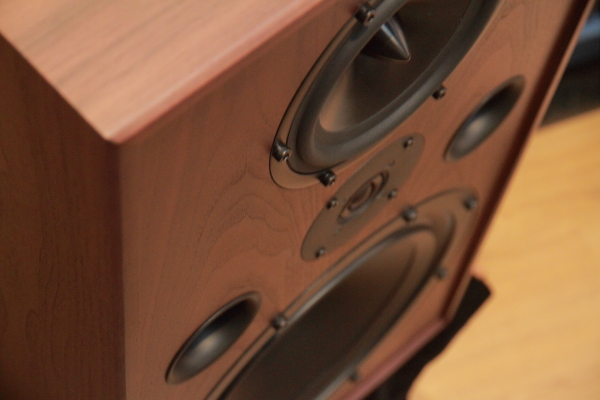
 再聽 Maria Jaell 的聲樂作品,依舊是女高音,伴奏卻換成鋼琴。只聽第一軌和第二軌。第一曲是一片溫柔抒情,唱得溫柔,琴也溫柔。但溫柔之間,就有許多細節,一慢,一輕,很多細微的聲腔變化運轉,就成了觀戰重點。我聽到的人聲好清楚,就像剛剛聽 Petibon 唱歌一樣,那是一個人,一個面容,吟哦一首詩。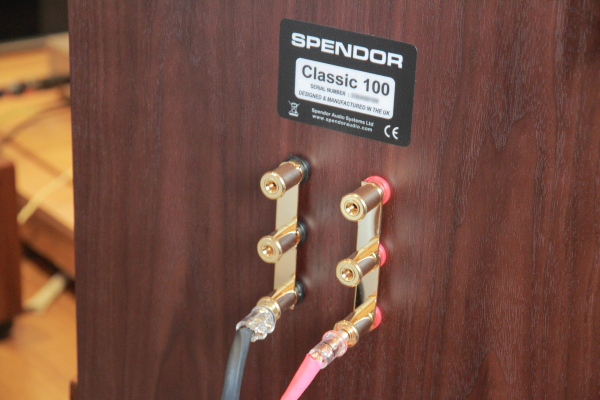
 爵士樂最能展現系統的活生感。放上鼓手 Bertrand Renaudin 領軍錄製的 La traversee du jour 專輯。我發現這個系統的有著敏捷的反應速度,聲音完全沒有拖遲感,聲音細節清楚明確,且每個細節都有畫面,打擊樂不僅活生,而且見得此系統的動態表現驚人。第一軌音樂一下,打擊樂渾圓飽滿的顆粒登時迸現,鋼弦吉他刷下可以見得力道,聲音是有衝擊感的,長笛吹奏的聲音帶有圓潤質地以及氣音細節。第二軌的鈴鼓敲打起來真是活生,手觸鼓面發出乾而短促的聲音,但敲擊的剎那,鼓邊的金屬片撞擊聲清脆而且具體。
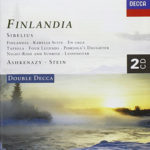 雖然空間小,喇叭距離拉得也不甚開,誰說這樣就不能聽大編制的管弦樂了?放上 Ashkenazy 指揮愛樂管弦樂團的西貝流士交響詩芬蘭頌,就可見得這個系統,能夠多威猛;即或 Spendor Classic 100 看起來是這樣道貌岸然,但唱起芬蘭頌可熱了。樂曲開頭,伸縮號搭配法國號吹出深遠綿長的樂句,低音號以低沈粗獷的腔調幫襯著,低音提琴以長音柔化了銅管的金屬況味,此時,加入的小號則把旭日東升的輝煌感帶了出來。短短的開頭,若把這些樂音都聽明白了,把這些音樂中交融的色彩都看清楚了,這曲子就精彩了。背後滾來的定音鼓,顆顆飽滿,聲聲確實。弦樂不僅有密度,還有高度的張力,帶著柔韌的織物質感隨著旋律翻騰飄盪,是雲亦是海,是風也是浪。點綴的三角鐵,穿透層層霧障而出,清脆亮麗而且飄逸飛揚,畫龍還需點睛,果不其然。
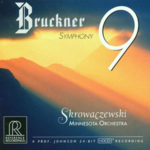 我再放上 Stanislaw Skrowaczewski 指揮明尼蘇達管弦樂團的布魯克納第九號交響曲,這是 Reference Recording 的錄音,我不是衝著RR錄音放這片的,我是為了 Skrowaczewski 來著的,他是其中一位讓我認定是布魯克納專家的指揮。第九號交響曲雖然不像芬蘭頌那樣激烈昂揚,也沒有火鳥或布蘭詩歌裡那種突然乍現的大動態。可是,這曲子柔美之中可見許多交響音樂的精彩,系統越好,這曲子越能完整重現。這當中最考驗音響的是動態幅度。雖然不是瞬間爆發的對比,卻多的是微小的騷動以及樂團張揚的齊鳴。至於RR錄音向來具有高度透明,可以見得非常清晰的音場和層次。