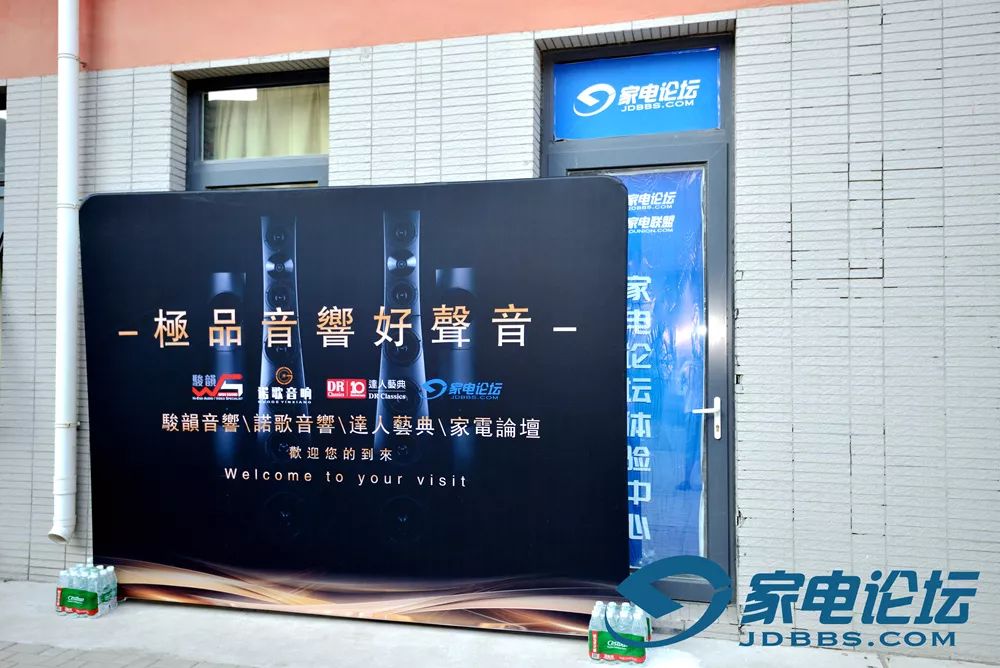
由香港駿韻音響、汕頭諾歌音響、DR 達人藝典以及家電論壇聯合主辦的極品音響好聲音慶典周活動獲得巨大的成功。700多萬的音響系統帶來的極品音質,音響廠家帶來的技術干貨講解,音響唱片公司達人藝典十周年慶生 Party,音樂家、作曲家、音樂制作人現場與發燒友互動等諸多亮點活動,吸引了北京、山東、河北甚至來自日本的諸多愛好音響的朋友們,引發了國內音響行業下半年線下活動的一個高潮!
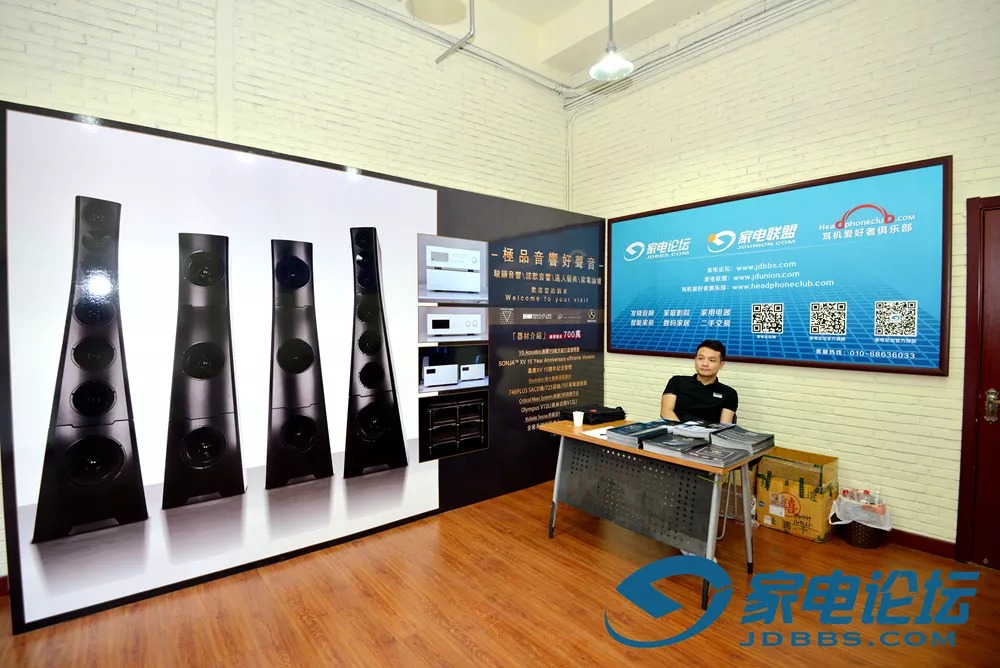
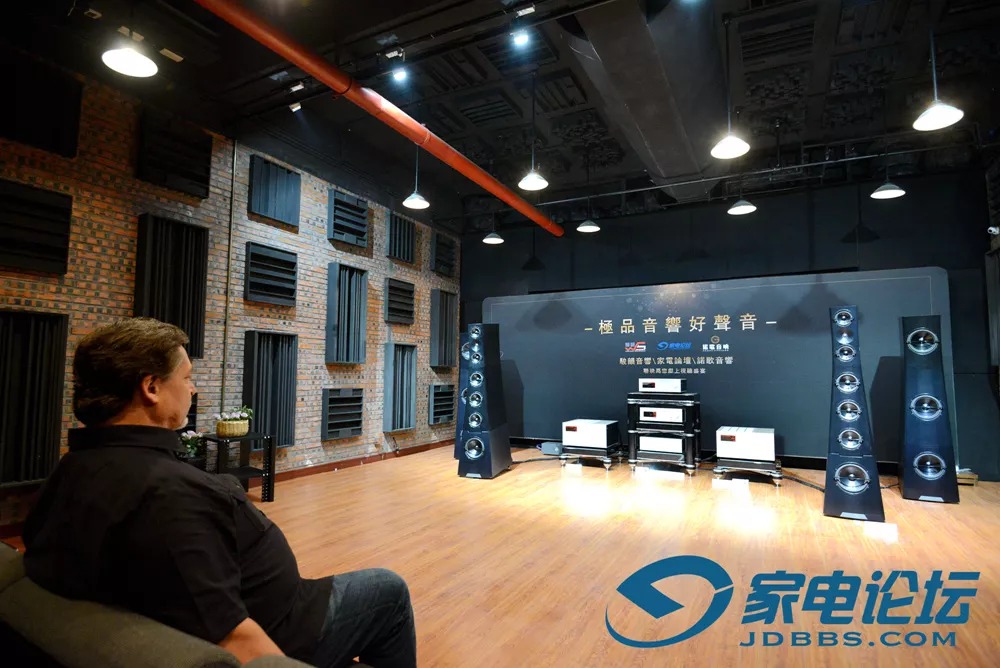
慶典周的主角是瑞士 Soulution 登峰旗艦 7 系列(746+ SACD 機、725 前級、701 單聲道后級)、美國 YG 音箱旗艦 SONJA XV 15 周年紀念版(4件套)、Critical Mass System(CMS)旗艦機架 Olympus V12L,聲音好的無話可說,借用家電論壇老版主吳彤的話,那就是:這個聲音牛B到我服了…… 基本上好到無法批評,基本上沒毛病。筆者現場聆聽的感覺就是:這套系統在聲音上 幾乎沒有短板。(這套系統裡)低頻要量感的時候給你充分的量感,還不轟頭嘈雜;中頻照舊給你飽滿和細節;而高頻,透亮、晶瑩,白居易說的 “大珠小珠落玉盤”,就是這種感覺。
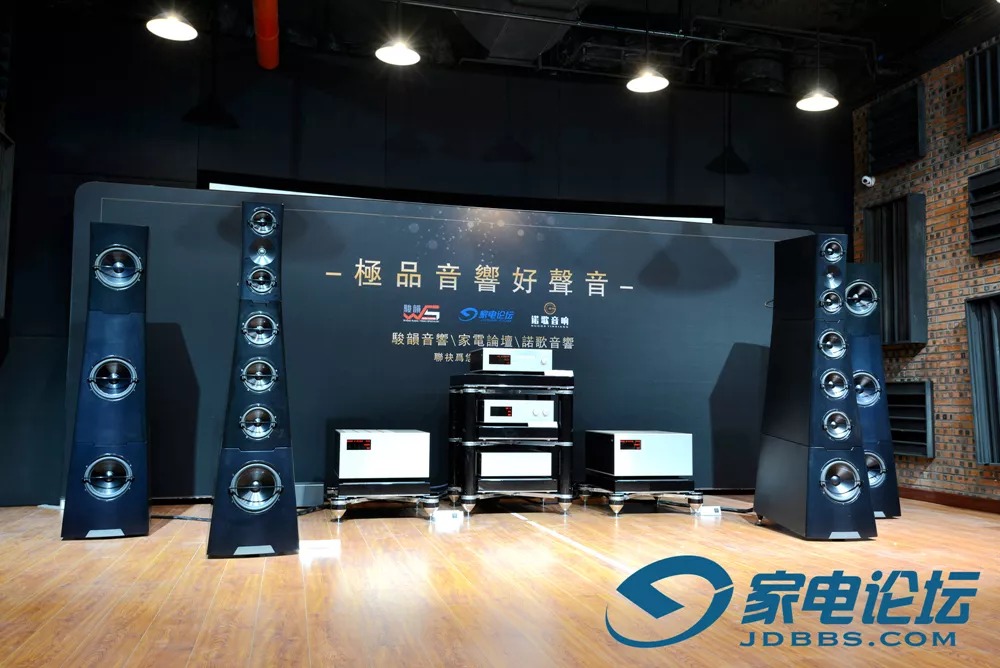
而這,隻是周四下午初步調試以后,這套系統僅僅發揮出的 7 成實力而已。
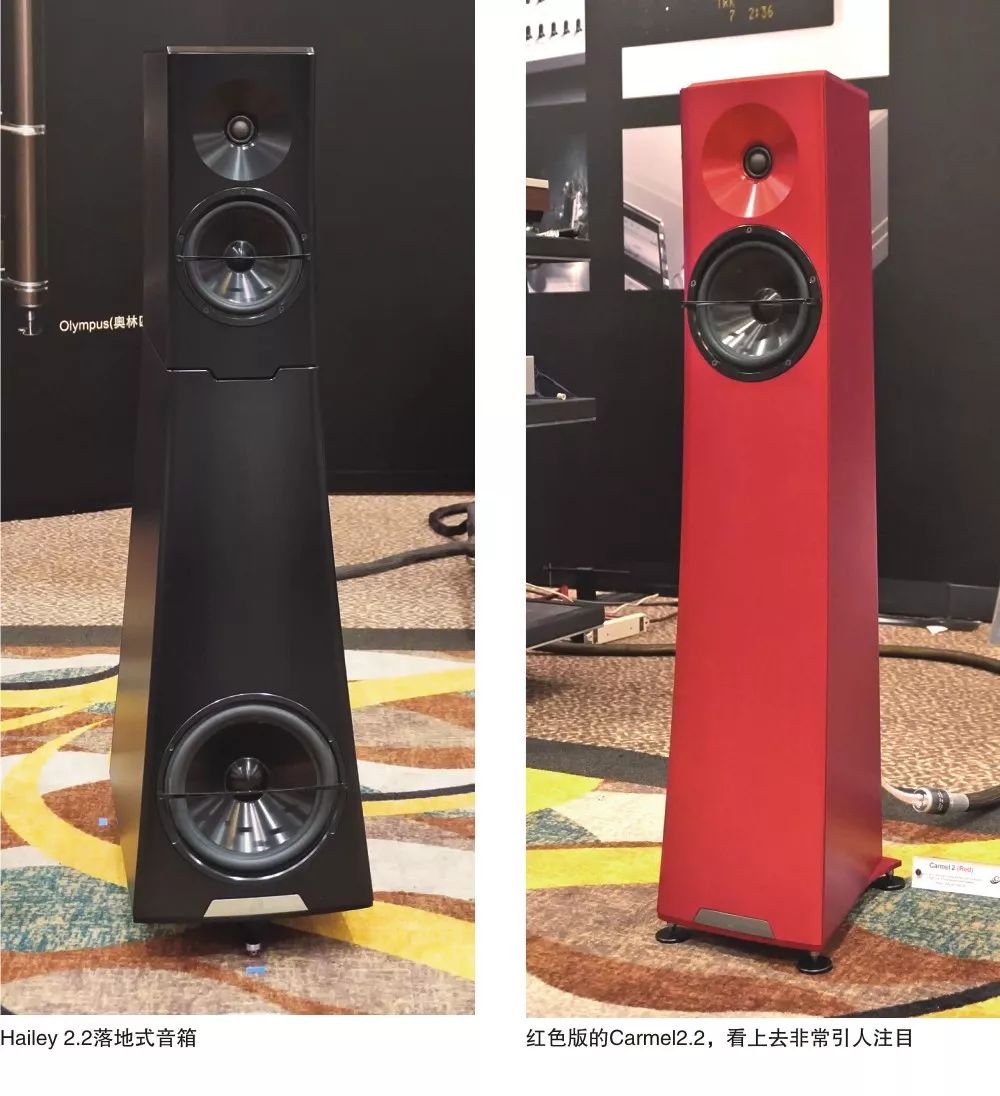
YG Acoustics 品牌成立於 2002 年,創始人是 Yoav Geva 先生,YG 的品牌名稱就是來源於他姓名的首字母。其音箱的最大特色是使用航空級鋁合金打造箱體。YG Acoustics目前在售的音箱型號包括 SONJA XV、SONJA、HAILEY、CARMEL2 等四款,都是創始人家人名字命名。Sonja XV (旗艦四件套),是YG Acoustics 慶祝成立 15 周年紀念款,以老板娘 Sonja 為名,后面的羅馬數字“XV”,象征 15周年紀念意思。YG Acoustics Sonja XV (旗艦四件套)的4條大柱音箱全部由航空鋁材制造,總重超過了 1.2 噸。實際上,YG Acoustics 是世界上少數的所有音箱零件都可以自制的廠家,以其創新的音箱設計技術和工藝引發業界關注。另外,透過自行開發的音箱設計的專利軟件計算,YG Acoustics 的音箱力求頻率響應與時間相位一致,也就是 DualCoherent。分音器依然採用 YG Acoustics 對於全頻段精准相位,以及超平坦頻率響應,且分頻點避開了人耳敏感區域。可調低音的分頻點減小對中音的干擾。分頻器的低音部分採用專利的環型空芯電感分音器包裹有 Vise Coil 構件;中音與低音的分頻部分則採用了 Toro Air 技術,實現超低的失真、出色的頻率和正確的相位響應。
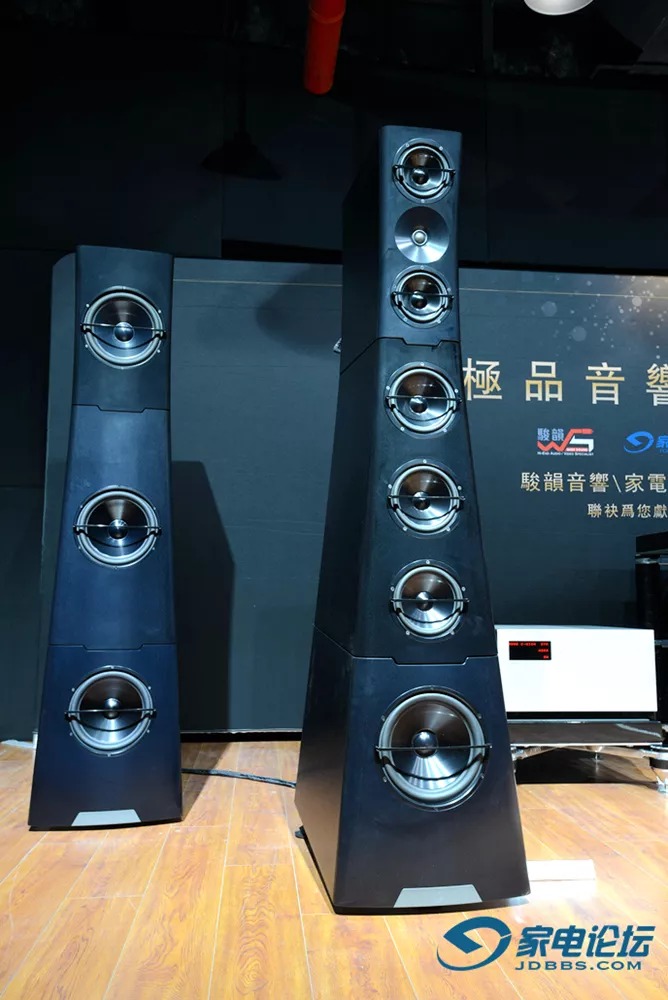
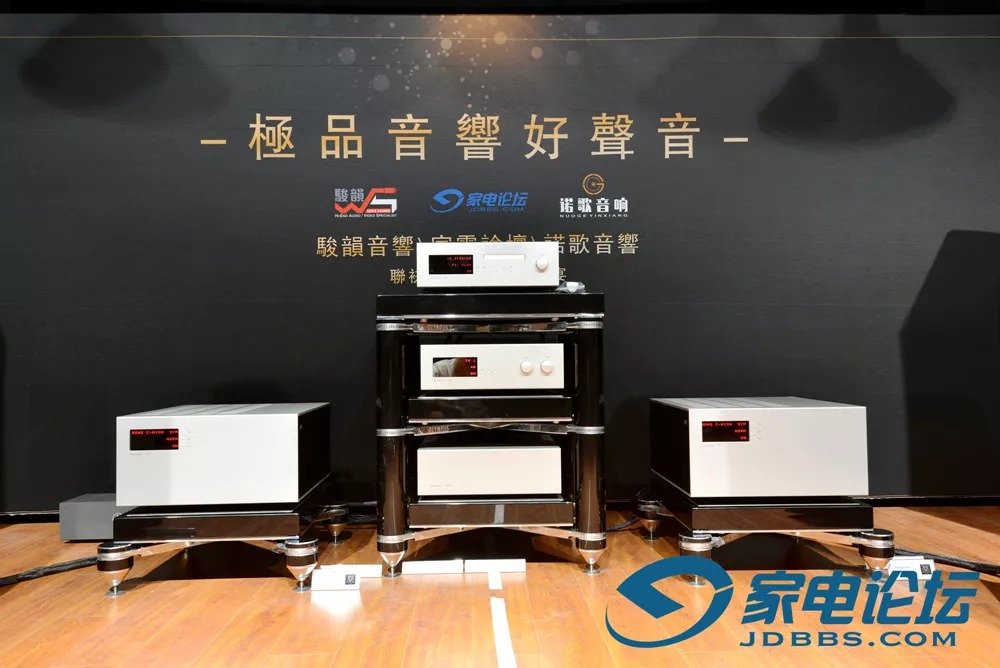
瑞士 Soulution 登峰旗艦組合:746+ SACD機、725前級、701單聲道后級配合美國 Critical Mass System 卸震平台也十分養眼醒目。另外,活動演示器材全部使用了美國 Kubala Sosna 旗艦系列線材。同時美國 Kubala Sosna 的電源處理器首次在家電論壇與發燒友見面。
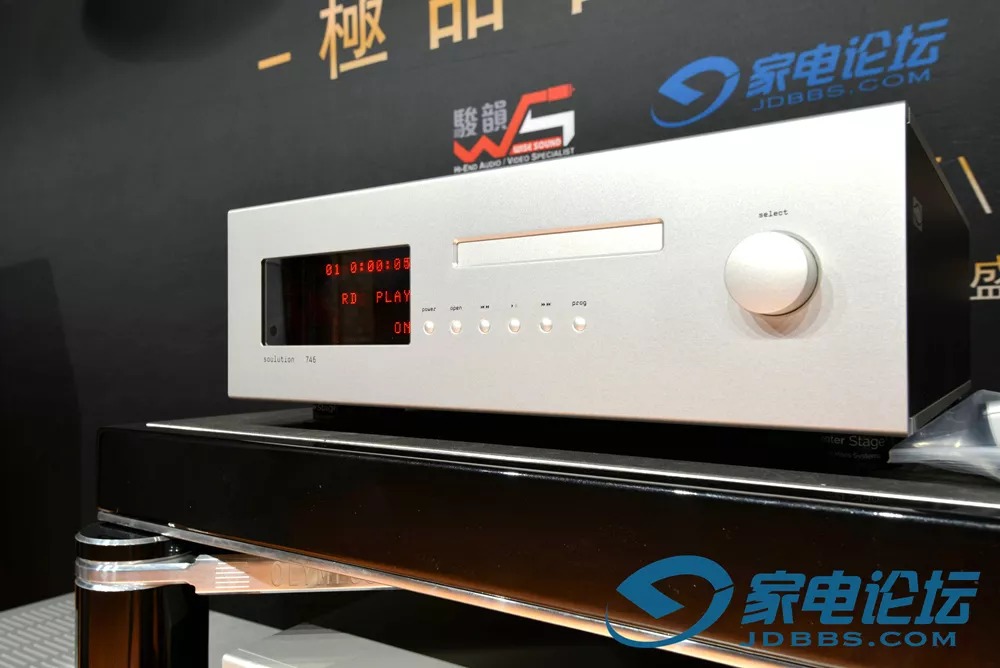
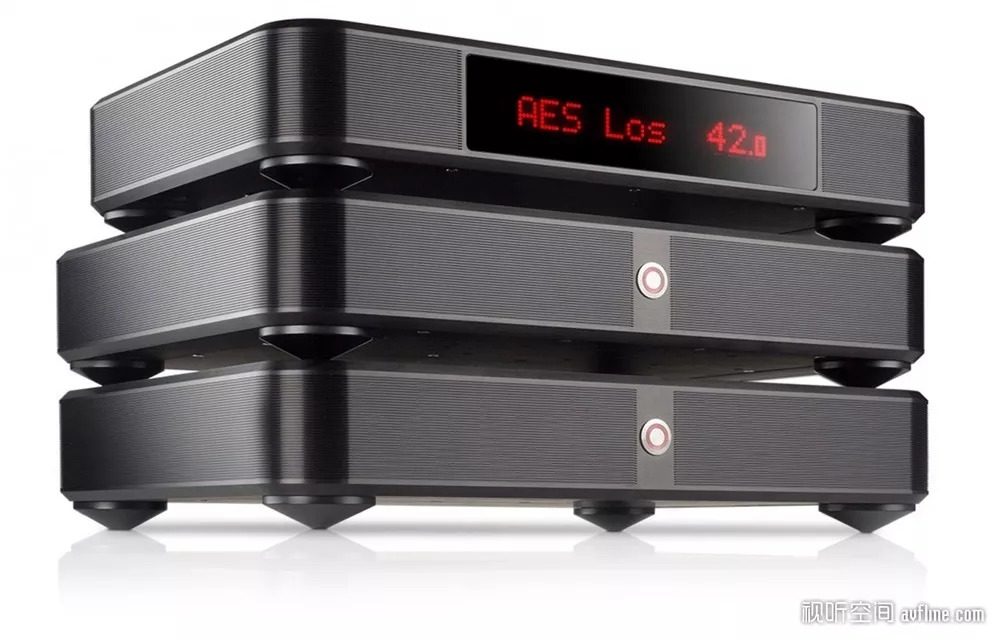
Soulution 746+ Limited Edition SACD 機 以 746 為基礎,加上全新開發的超重量級 746PSU 外置電源,限量生產 20 套,Soulution 746+ 除了集高質量 SACD / CD 播放功能外,同時提供高質量的數碼 AES/EBU、同軸、BNC 和光纖等四組輸入,而 Soulution 746+ Limited Edition 內的高分辨率譯碼器,支持 24 / 192 PCM 和 DSD 2.82MHz、DXD 等數碼格式的譯碼播放能力。
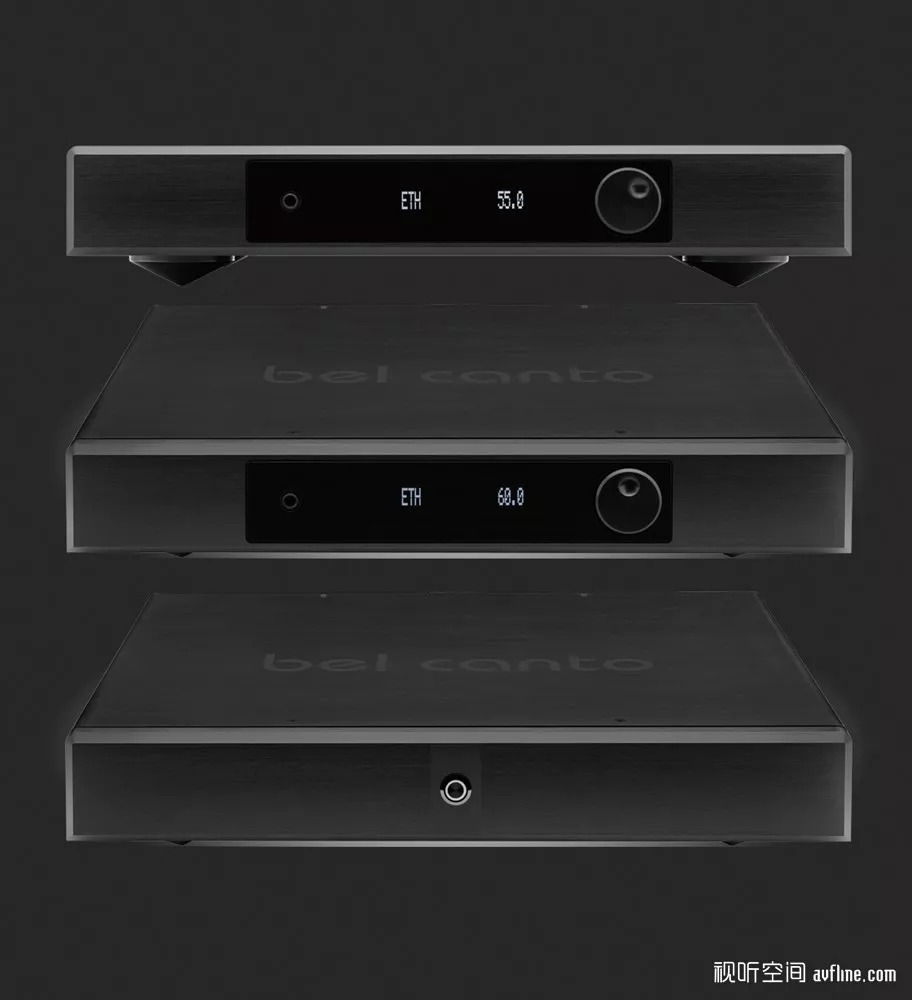
旗艦系前級 725,引入全新的電源技術,令725具有比前任旗艦系前級 720 更驚人立體音質,無與倫比的豐富細節,令人難以置信的低頻沖擊力,失真及雜噪進一步下調。全新的電源技術,經徹徹底底重新設計,電源系統工作更精確,調節更精確。濾波電容總量比 720 多出 400,000μF,帶來幾近無限脈沖電流之仿真電路。
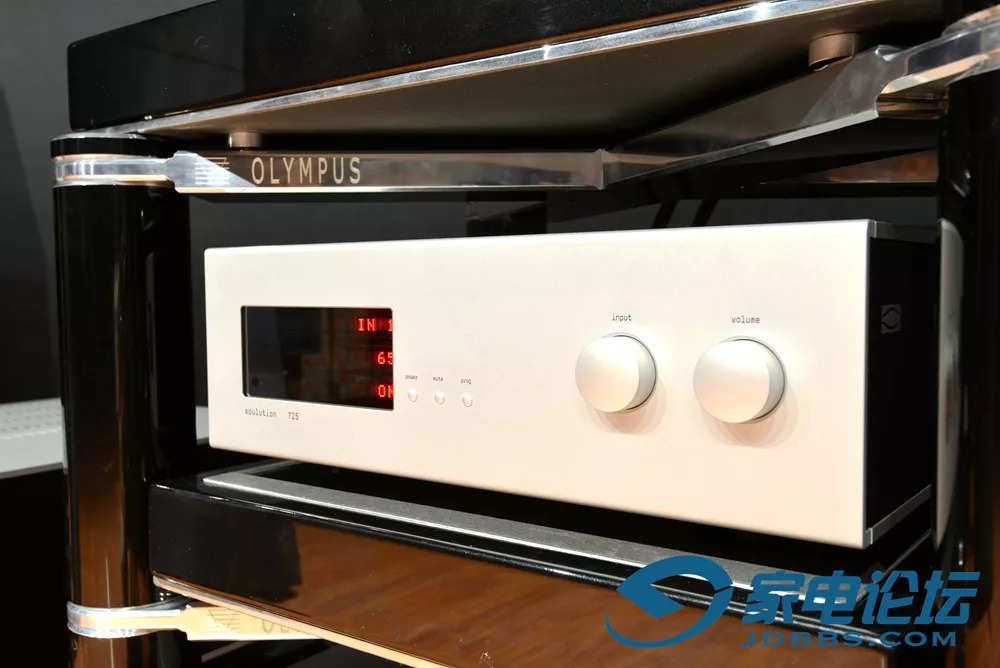
相比前旗艦 700 后級,每部701都內置了4組 600W 的音頻級 Switched Mode 交互式電源,再結合高達 1,000,000μF 的電容濾波,輸出電流超過 120安培,較大輸出超過 12000瓦,總諧波失真卻小於 0.00015﹪,回轉率小於 200ns(單聲道),這實在讓人訝異,其它 Hi-End 對手隻能仰望了。另一個 Soulution 的秘訣是 100Hz 時阻尼系數大於 10000,這表示 701 的控制力相當之強,加上強大的驅動力,喇叭單元的任何動作都在其掌控之中,對低音的控制力更是意義非凡。現場隻是以一套單聲道后級功放,就已經將 4柱式 Sonja XV 音箱的威力發揮得令人信服的水平。據說,這套系統還可以同時添加 4 台 701 后級來推動美國 YG Acoustics Sonja XV (旗艦四件套)音箱。不過,這個套系統價值總價值就要輕鬆超過千萬級別了。(看來雙色球中一次大獎還不夠了)

Critical Mass System 這次不僅僅帶來備受家電論壇和耳機愛好者俱樂部發燒友喜愛的腳釘外,還有旗艦級卸震平台 Olympus-V12 Luxary。該卸震平台採用了 Critical Mass System 的專利和屢獲殊榮的振動阻尼方法建造而成,分為過濾器和機架架構組成,獨特的雙區系統已經擴展到一個無與倫比的 12 個阻尼階段,產生了最低和最中性的噪音地板。OLYMPUS 的框架的每一個邊緣都是技術人員手工打磨,將每個部件保持在砂紙砂礫上至少打磨3次,直到實現鏡面光潔度效果為止。手工拋光的金屬邊被涂上了油漆和油漆,然后涂上了油漆表面,被打磨成鏡面般光澤。在性能和美學方面,Olympus-V12 Luxary 堪稱現代高端音頻設計的杰作,為音樂愛好者提供了最佳的傾聽體驗。
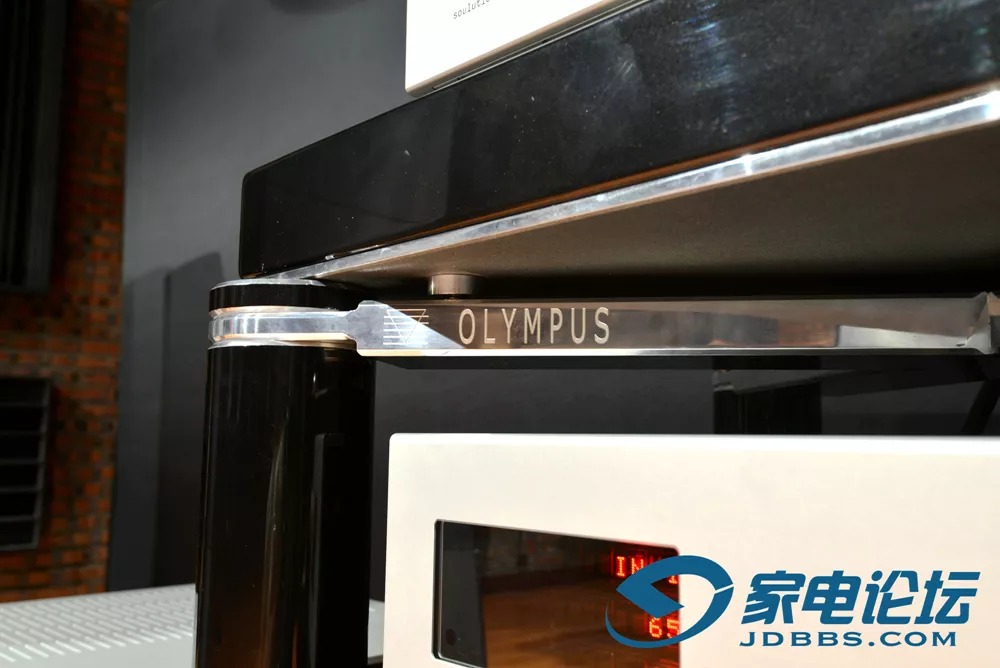
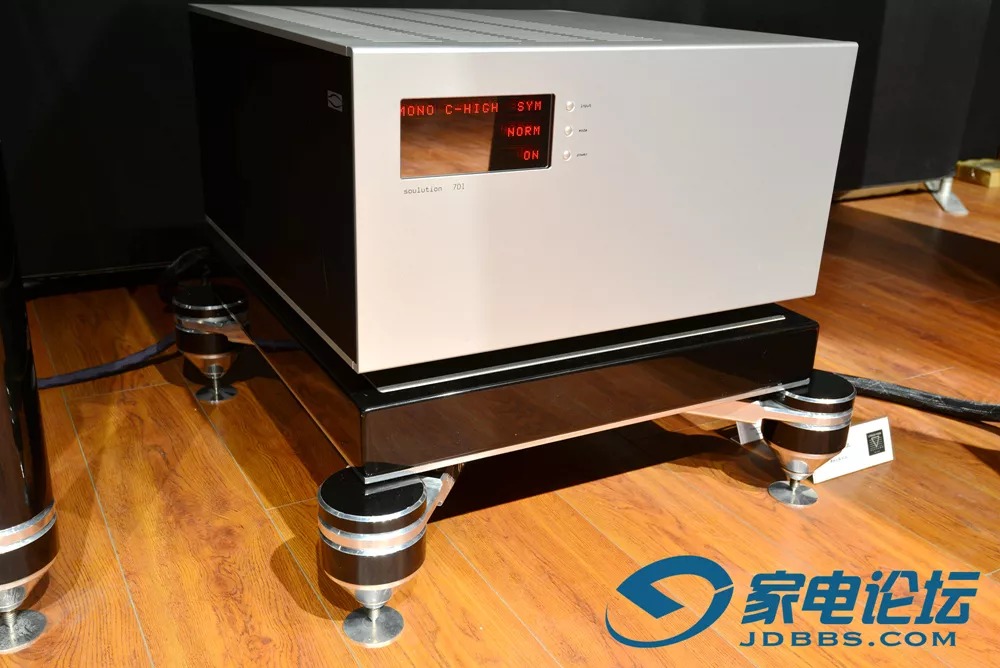
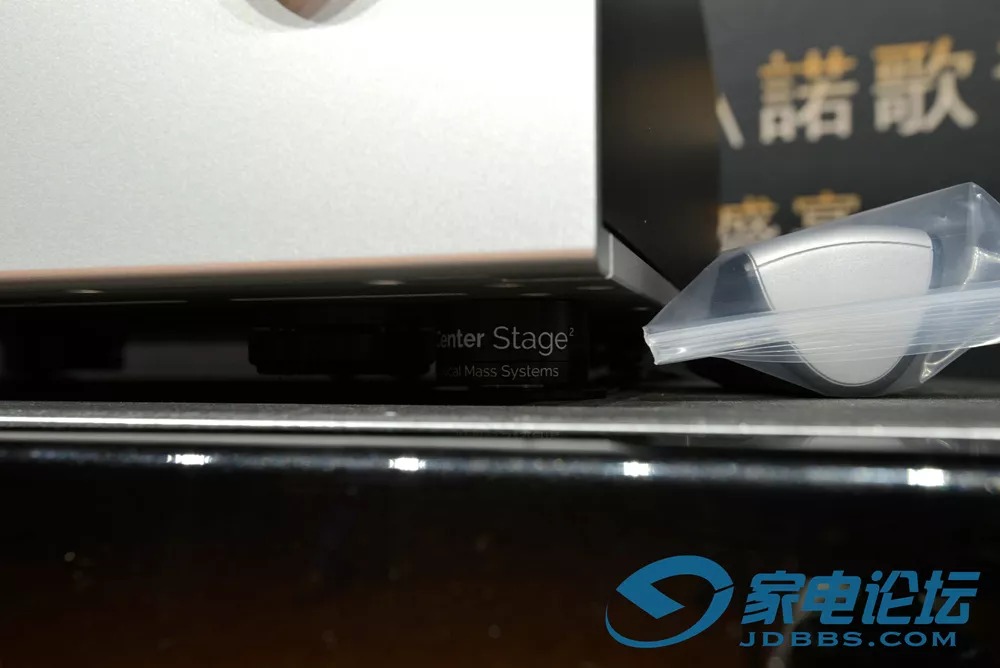
同樣,CMS 家杰出的避震腳釘也是不可缺少的。
“極品音響好聲音” 是家電論壇聯合眾多高端 Hi-End 廠家及代理商為京城及北方地區發燒友准備的 Hi-End 極品音響系統欣賞會的系列活動。其目的是在讓高端音響器材獲得最佳的發揮的同時,也讓高燒友們獲得最佳的音樂欣賞體驗。
由於本次 “極品音響好聲音場” 的演示活動內容多,時間久,為此家電論壇將其擴大為 2019年的 “慶典周”。整個慶典周,家電論壇足足准備了3天5場活動,除了以往的極品音響展示以外,更有音樂家、錄音師、音樂制作人,以及多位頂級音響品牌廠方設計師和市場總監、國內著名音響代理商、經銷商老板親臨現場。
在活動准備工作一開始就收到國內音響圈的關注:新音響、視聽前線、影音極品、視聽發燒網、非常發燒網、影音新生活、高保真音響、Hi-Fi說、Hi-Fi秀、古典音樂相對論、岳聽越有趣等媒體也紛紛第一時間關注並轉發了相關宣傳報道稿件。這裡,家電論壇十分感謝對本次活動進行支持的各大影音兄弟單位的支持!
一套總價值高達 710 萬的音響系統來說,系統的調試擺位是一項挑戰。越是高端的音響系統,就越是考驗調校者的經驗和調音的細節。本次音響系統的調音是由駿韻音響的林老師、YG Acoustics 銷售及市場總監 Mr. Dick Diamond 先生全權操刀,從產品擺位,元器件使用,到產品布局的細節,無一不體現主辦方的認真和負責。
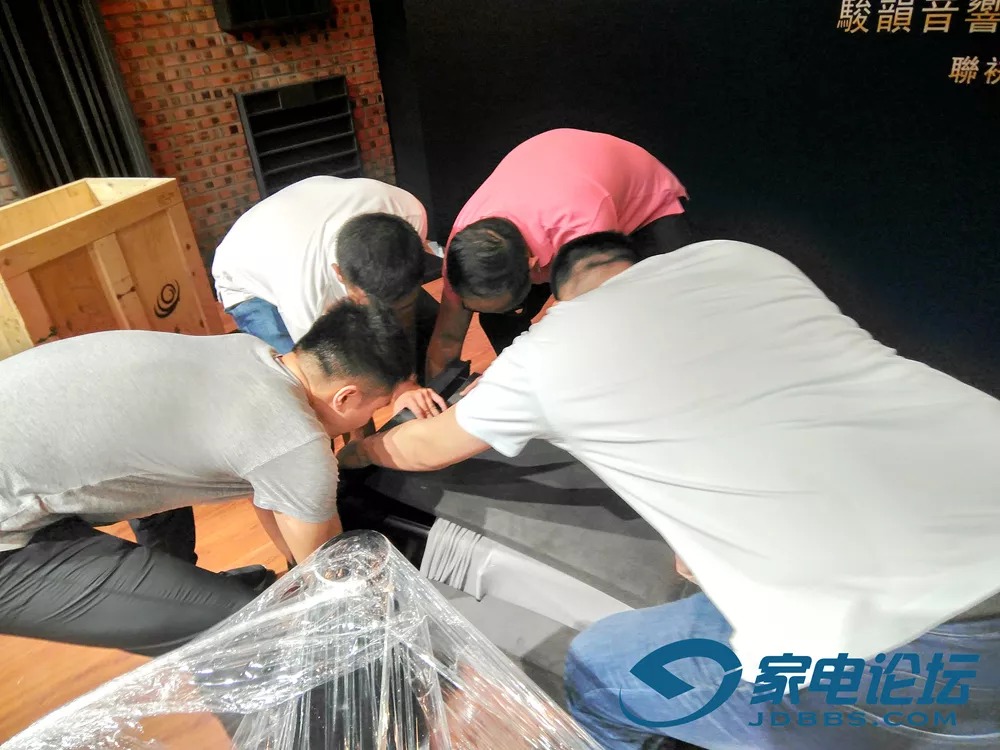
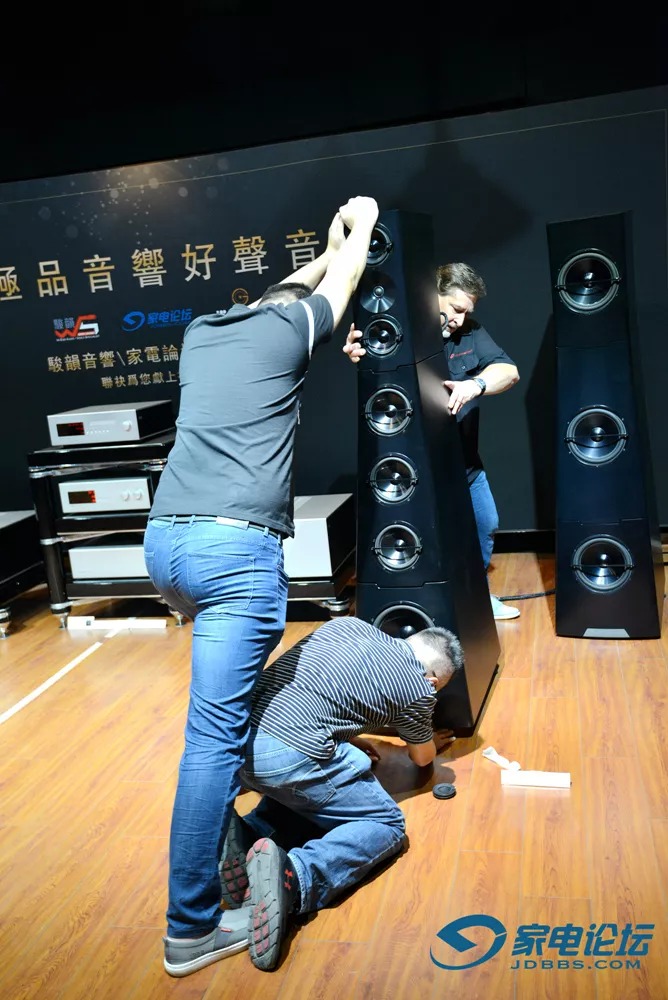
看見下圖 4 個大漢在做什麼?實際上是在弄一節 YG Sonja XV (旗艦四件套) 中的一節(4件套一共有12節,每節百公斤重以上)。別看 Sonja XV (旗艦四件套) 氣宇軒昂,實際上搬運拆卸這個自身高達 1.2 噸重的“巨漢”,也讓主辦方從體力和心力都費勁全力,諸多小伙伴們都累得夠嗆。
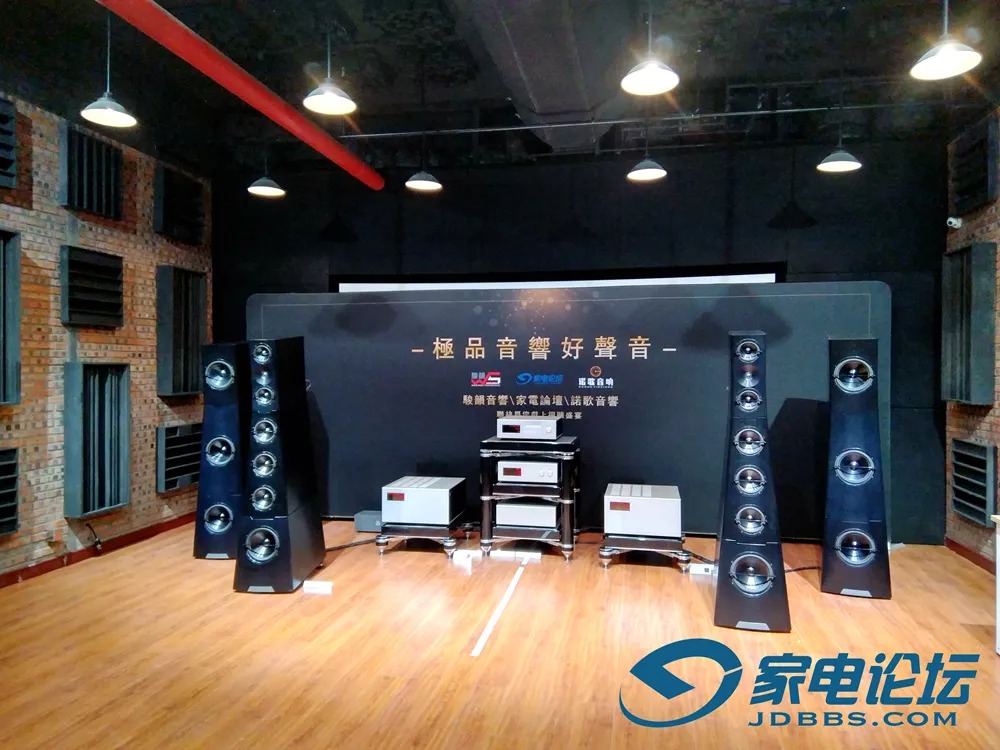
周四晚上,系統調試初步完畢,此時地上還保留調整音箱擺位用的貼紙。周五上午,YG Acoustics 銷售及市場總監 Mr. Dick Diamond 先生還將對音箱擺位做進一步細致調整。
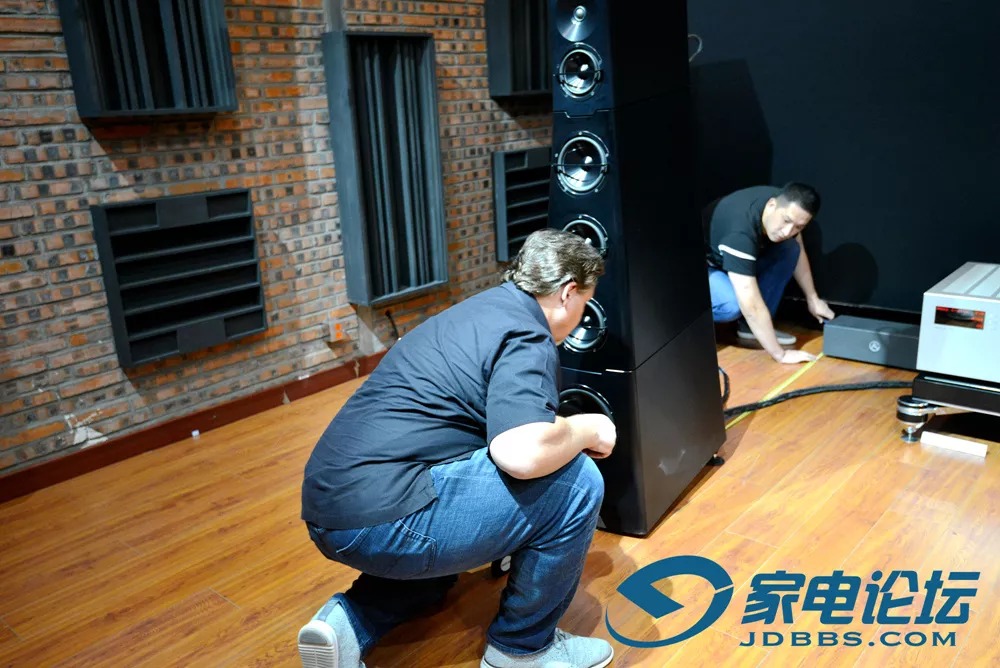
周五上午,YG Acoustics 銷售及市場總監 Mr. Dick Diamond 先生現場帶領指揮 駿韻音響和諾歌音響 的伙伴們對音箱擺位進行進一步的測量和調整。
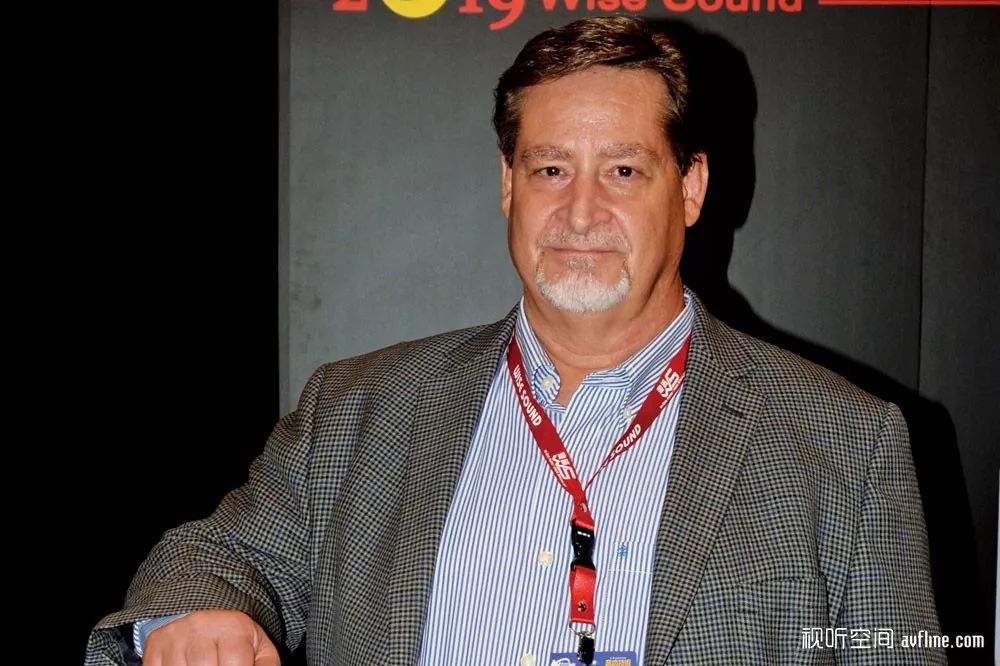
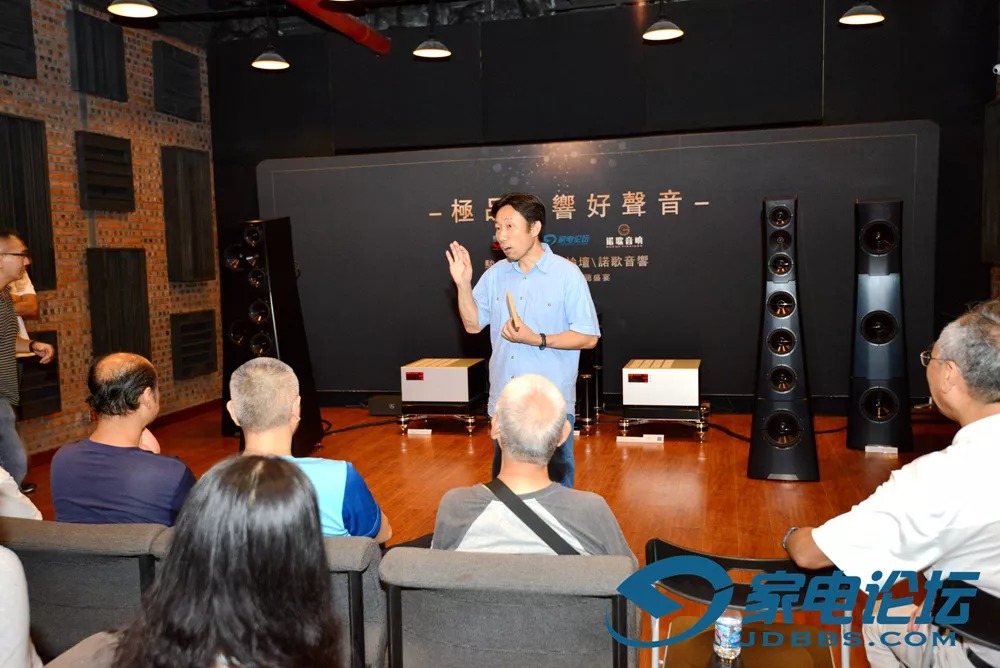
調整結束后,Dick Diamond 先生面露微笑
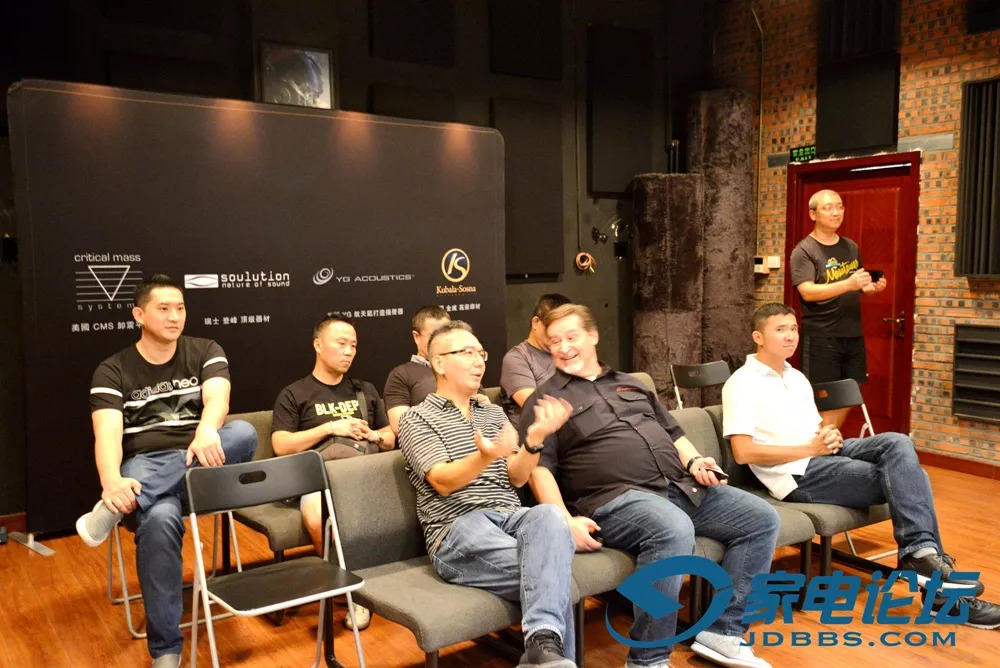
三天的主持活動(除了劉達老師專場)幾乎都是由家電論壇老版主吳彤主持。
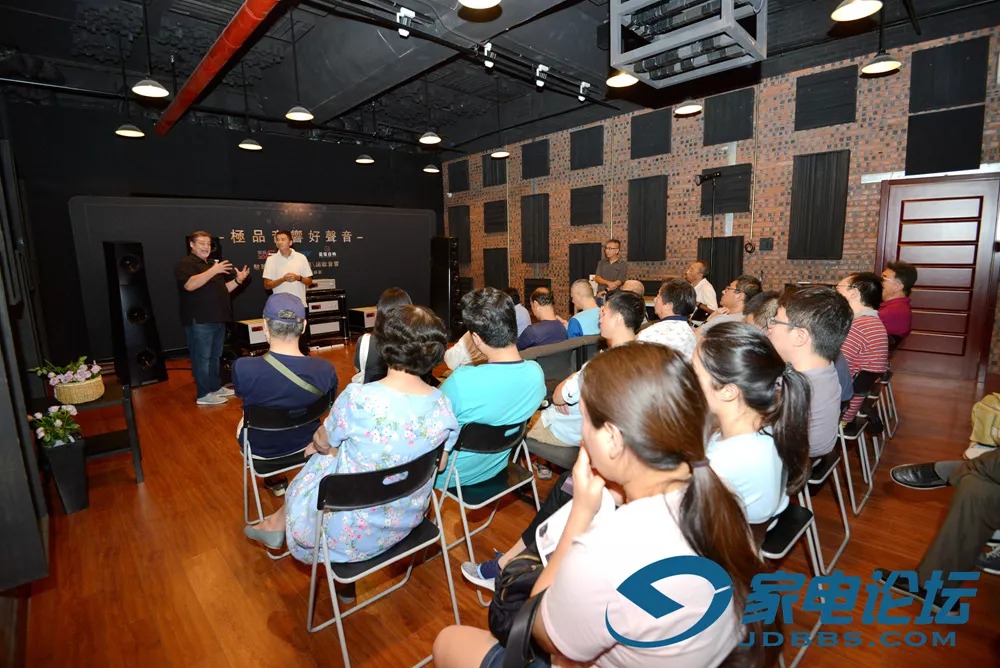
9月6日周五下午是 VIP 專場,作為一個上班日,家電論壇原以為有幾個發燒友前來就不錯了。不過實際情況要比家電論壇預計好很多,周五下午來了有將近 20來個狂熱發燒友。他們很多是請假,甚至有的是從外地趕來。
這個 VIP 場,是駿韻音響的李總唯一一次現場為大家演示 YG Acoustics 專利的 CNC 銑出來的金屬振膜的剛性壓力測試。100多斤的李總也無法將薄薄的金屬振膜壓扁。
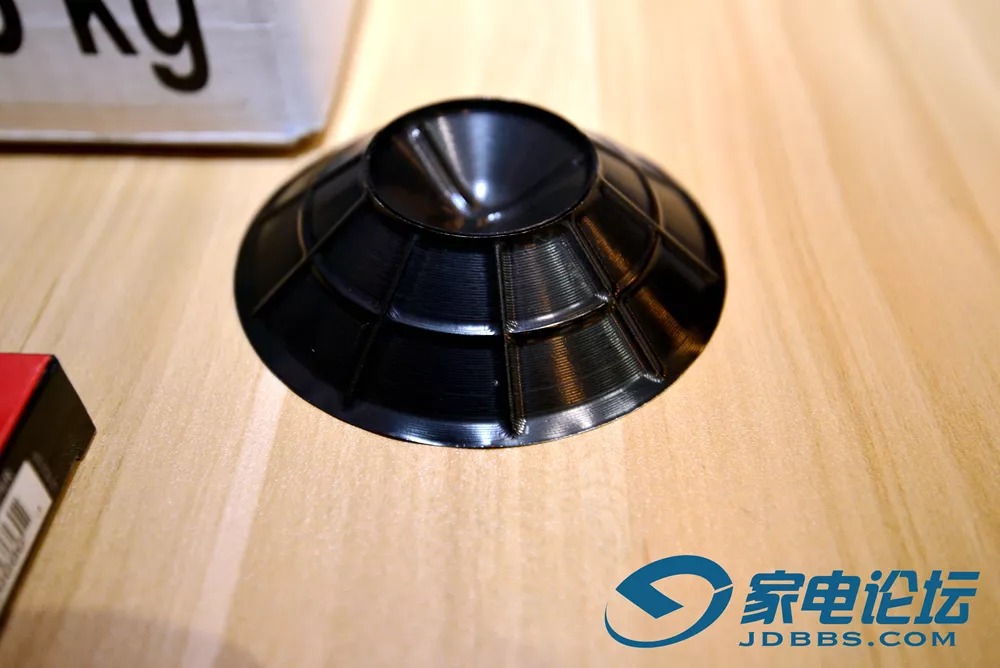
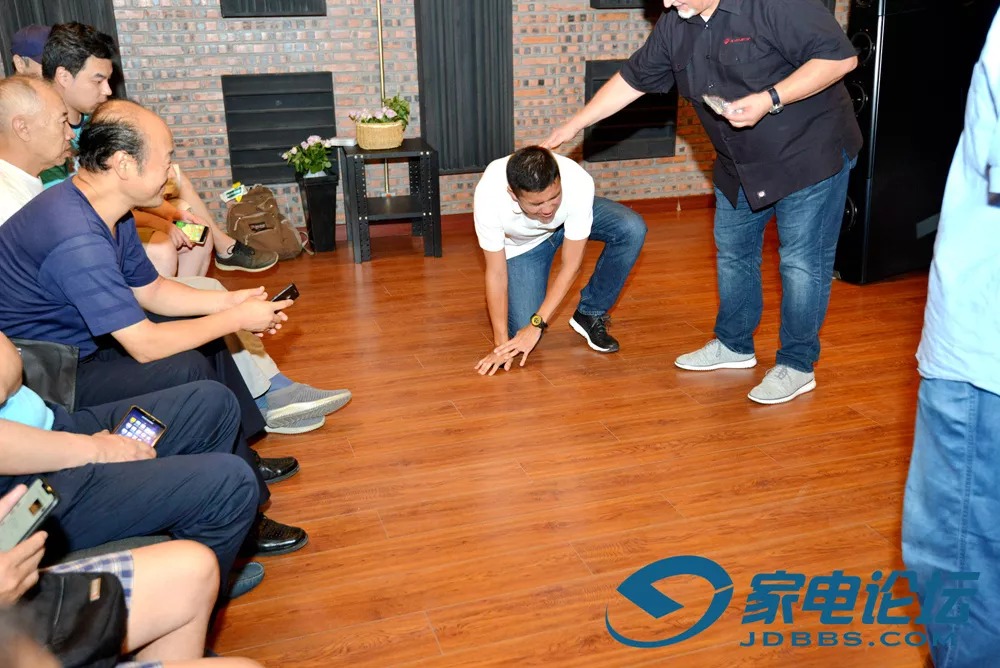
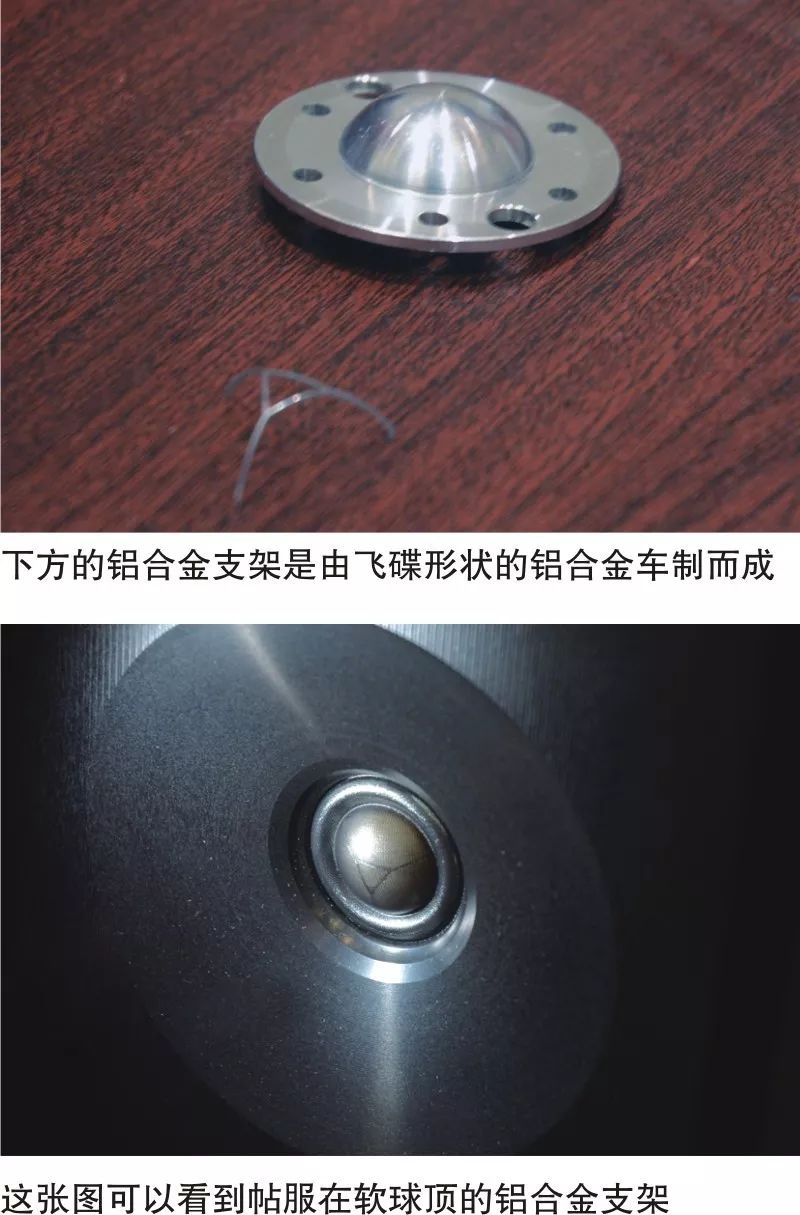
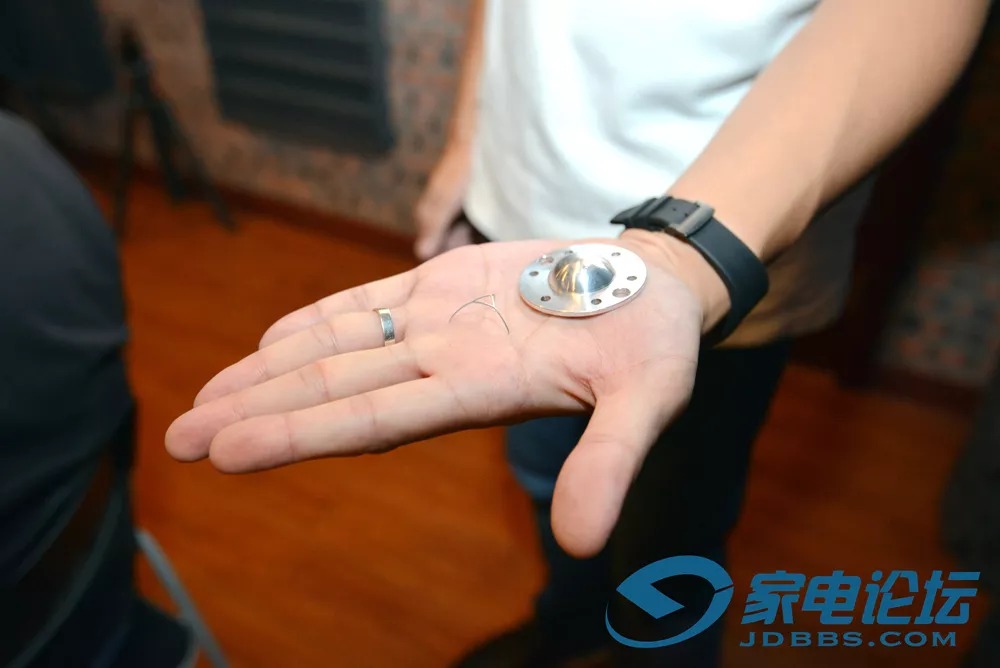
YG Acoustics 的高音單元十分特殊,他是採用 BilletDome 技術,該技術將無諧振的高音振膜,結合在一個僅重 30mg 的鋁質框架上,但是在框架的主要部分卻比傳統單元框架厚了 14倍,使這個高音的結構強度更甚於使用其他堅硬材質的高音。
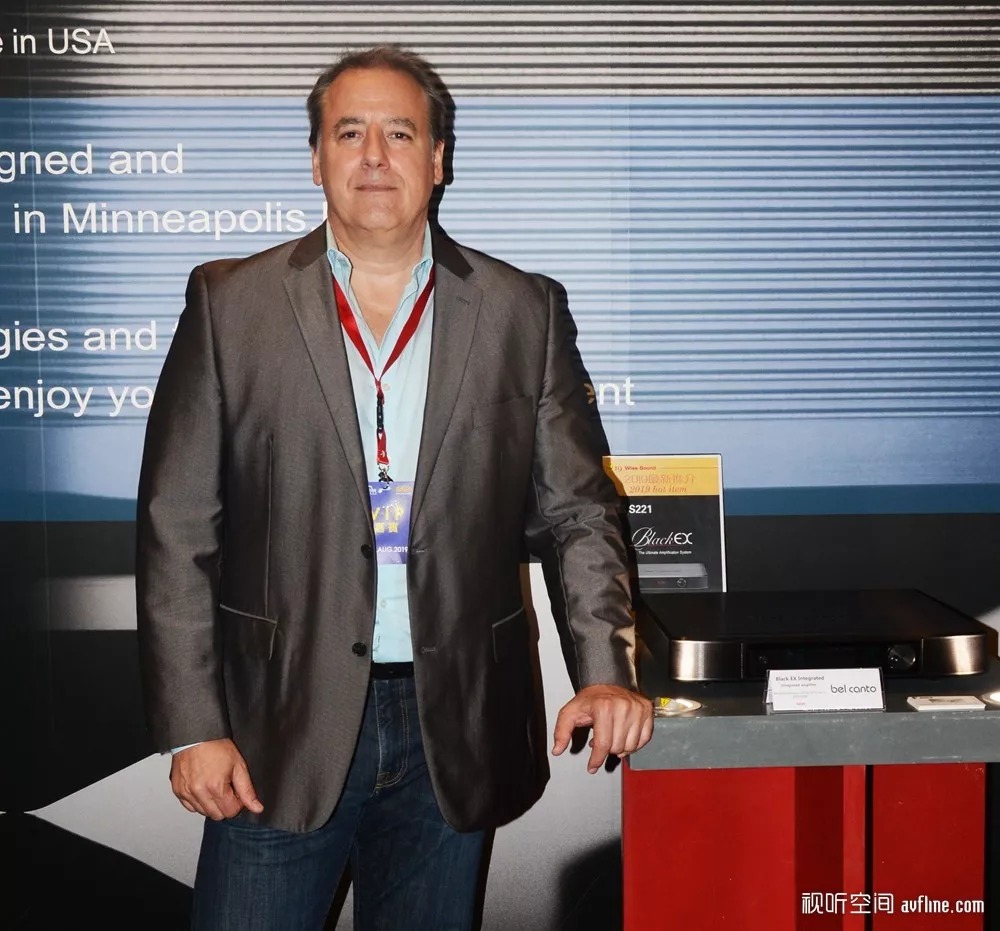
9月7日上午媒體專訪,眾多國內著名影音兄弟單位齊聚家電論壇,對YG Acoustics銷售及市場總監 Mr. Dick Diamond先生、CMS 總裁及設計師 Joseph Lavrencik 先生進行現場採訪。內容涉及兩家品牌產品特性,消費者使用注意事項,產品結構等內容進行多方面的解讀。
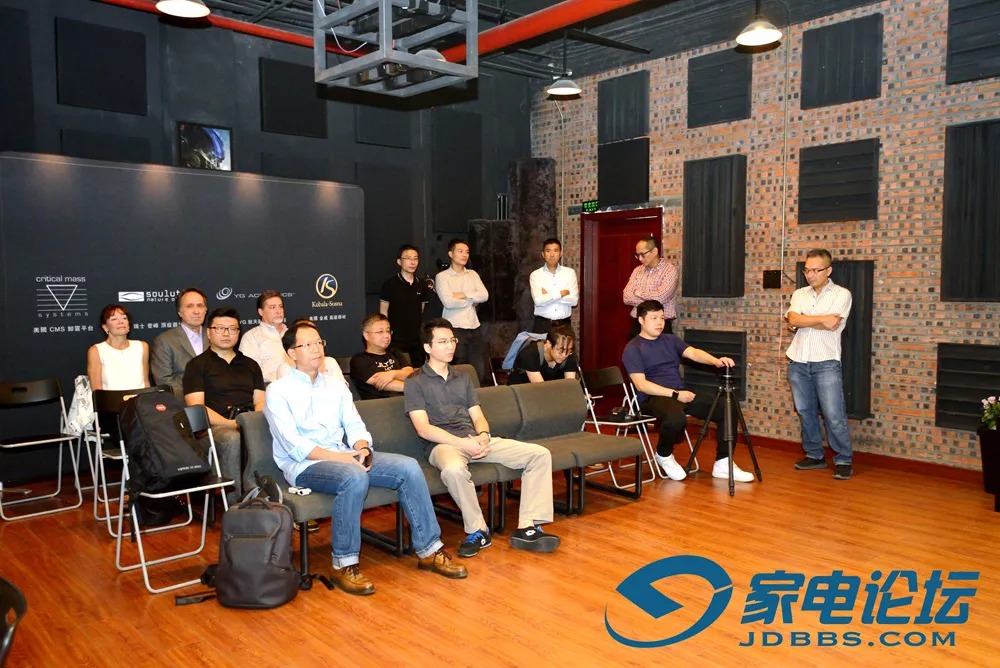
對於 YG Acoustics 來說,媒體朋友比較關注的是 Sonja XV 旗艦四件套是如何擺位,對於一般用家如何設置?四件套的超低音為什麼以無源形式設計?分頻的設立以及對多單元的相位問題廠商是如何調整?如何看待電子分音設計等等。而針對CMS 機架和避震層板,媒體朋友關注的焦點是售價不菲的 Olympus 機架及層板是有著如何的結構和避震作用?廠家在數據檢測上是否會公開?未來是否會再推出一些親民的配件產品等。
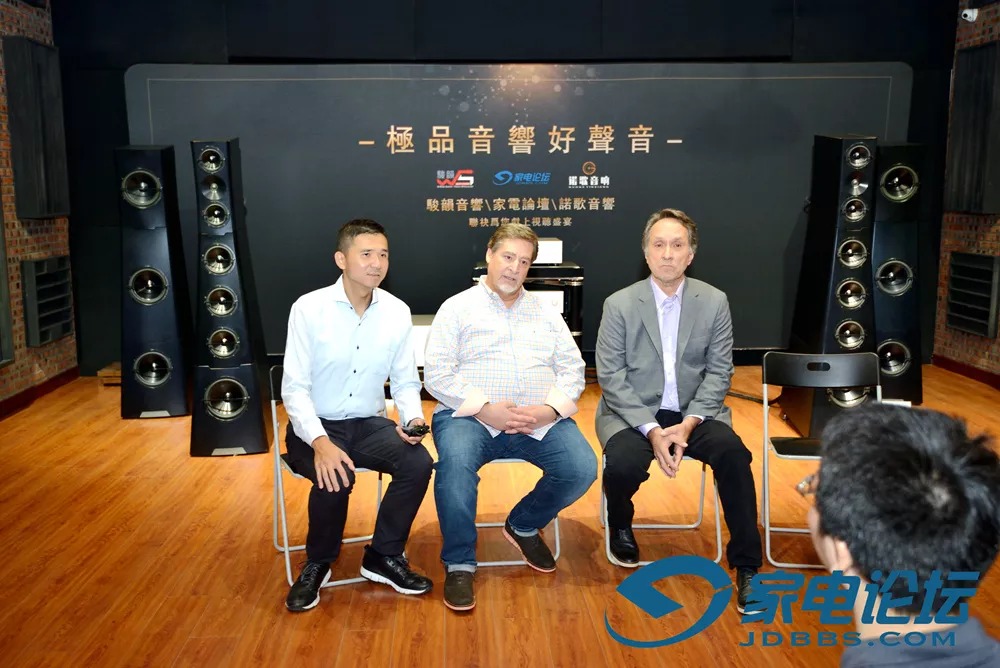
有關這方面的內容,后面家電論壇將會制作一個視頻供大家參考。
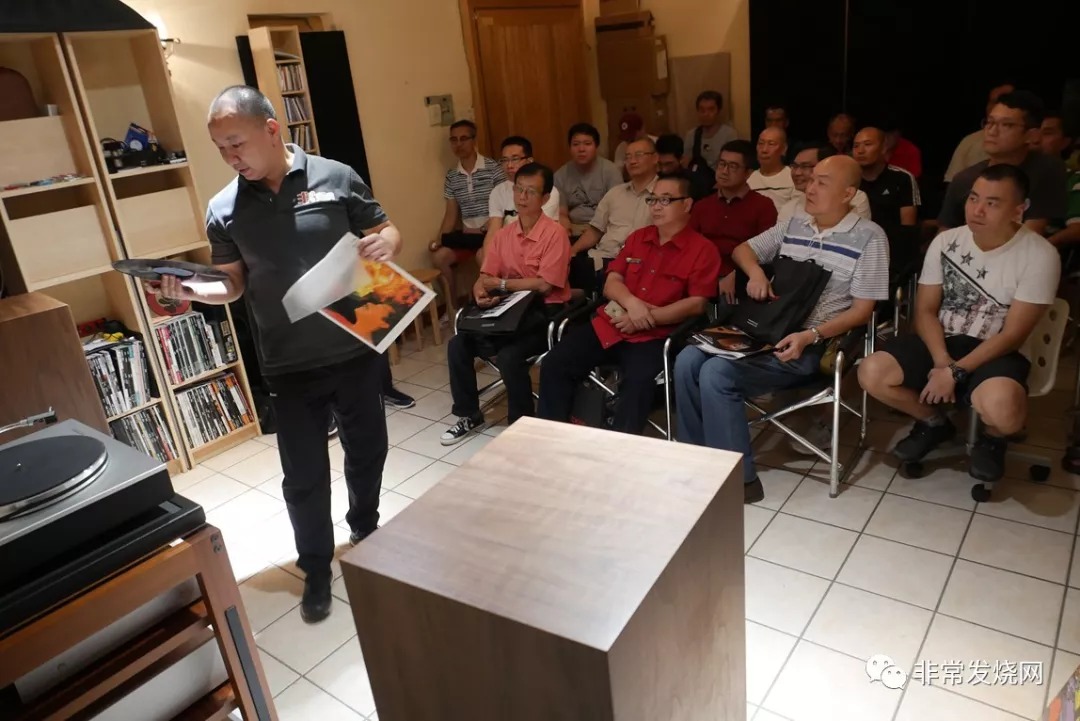
9月7日下午是達人藝典 10周年 慶典活動。該活動不但是一場有關音樂唱片從構思、編曲安排、母盤制作、壓片等諸多方面,為發燒友帶來一場別樣的知識盛宴;還是一場熱鬧異常的生日 Party!
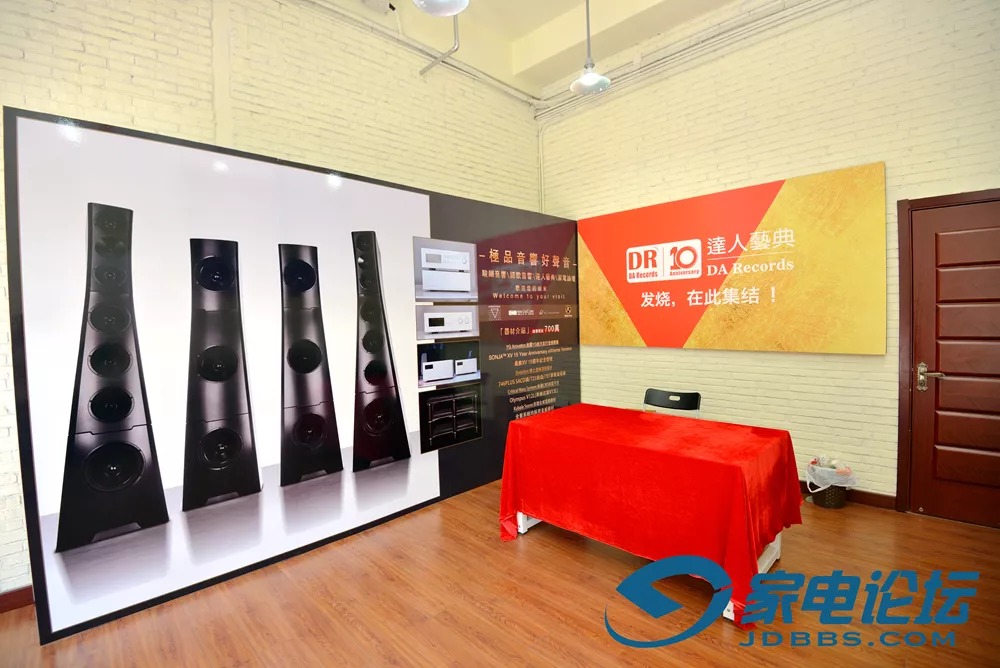
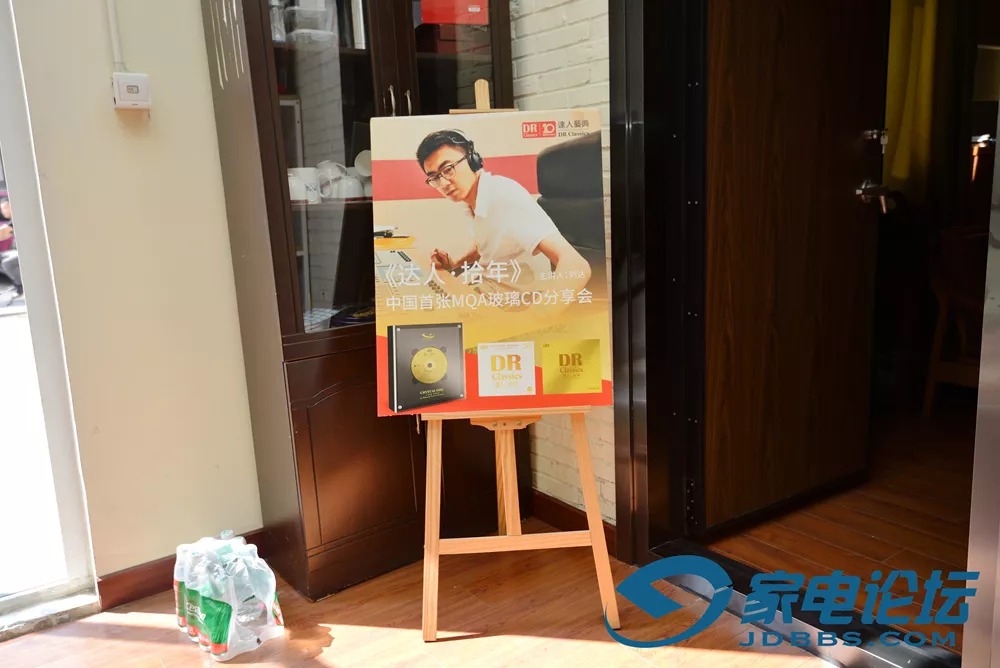
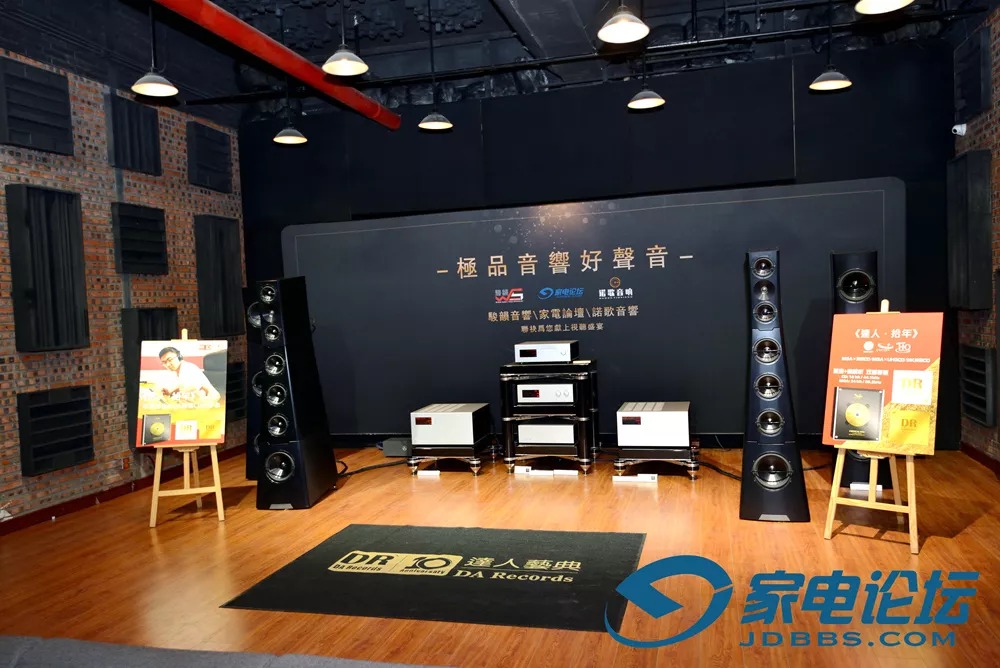

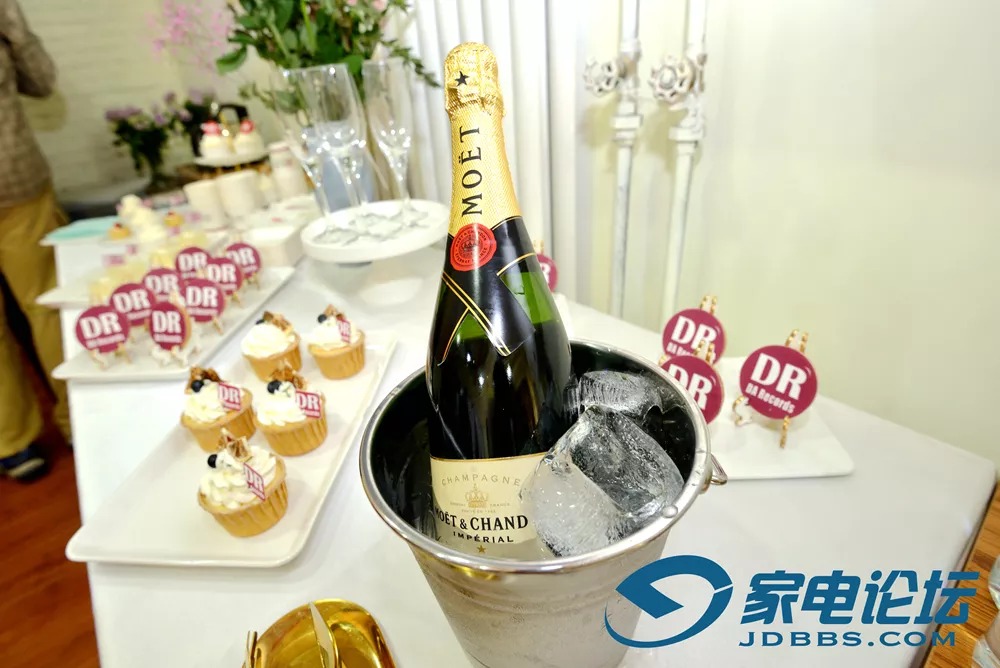
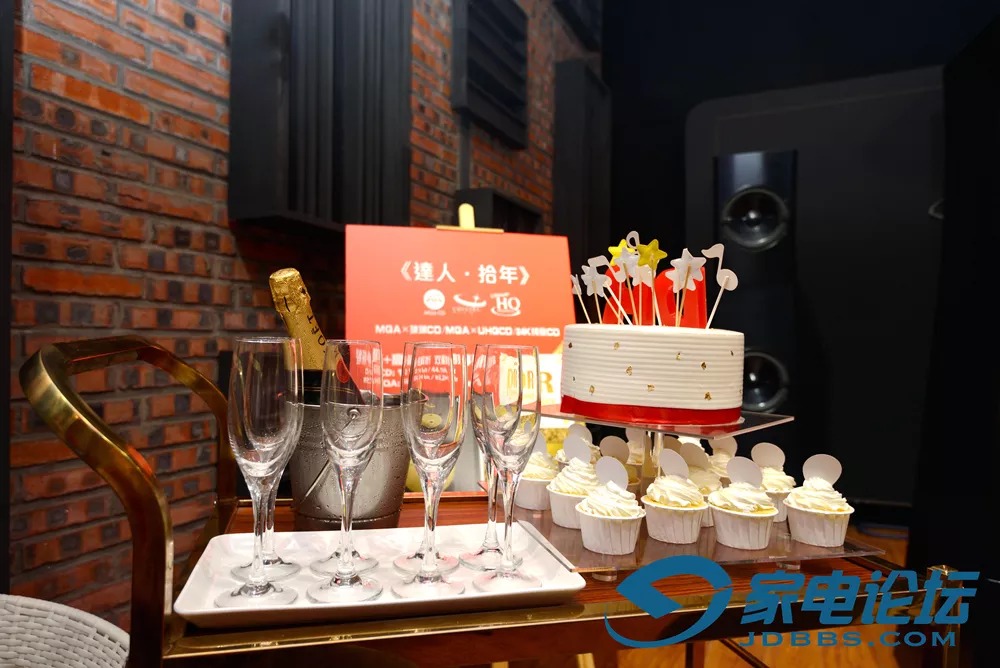
為了慶祝達人藝典十周歲生日,“達人” 以10首不同體裁、不同音樂風格的錄音佳作,匯聚成《達人·拾年》精選專輯,展現 “達人” 對錄音技術與美學藝術的獨特見解。
《達人·拾年》是首張MQA編碼的玻璃 CD 唱片。該唱片介質以光學玻璃為基片,24K純金反射層鍍成,達至極致信號還原效果。此外《達人·拾年》還引入目前最受關注的 MQA 編碼技術,將龐大的 24bit/88.2KHz 超高解析音頻,通過MQA折疊編碼方式,編碼為 CD 可容納的文件大小,承載無損母帶信息。帶來 HIGH-END 至尊享受。
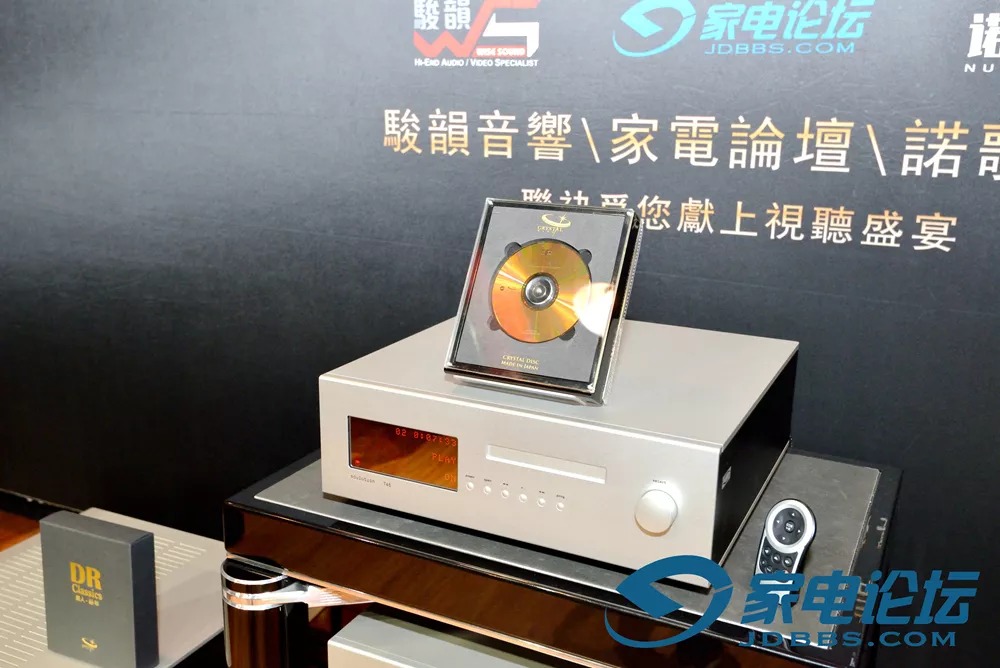
另外《達人·拾年》還有一種是 24K純金 CD,首次在家電論壇中與發燒友見面。
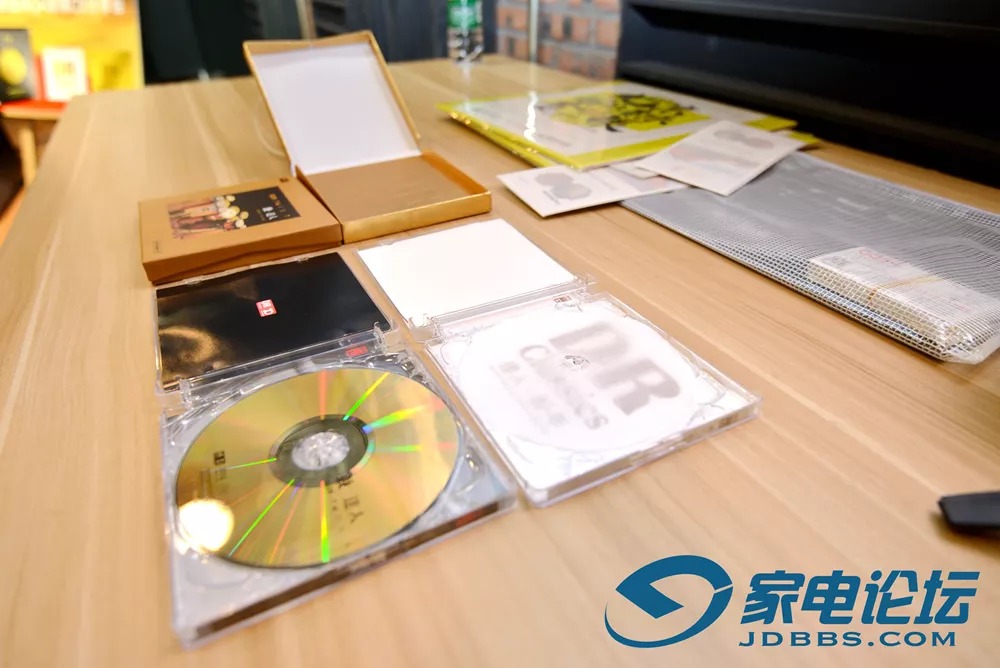
活動中,非常多的發燒友爭相購買 24K純金版本,以至於該產品當天售罄了。
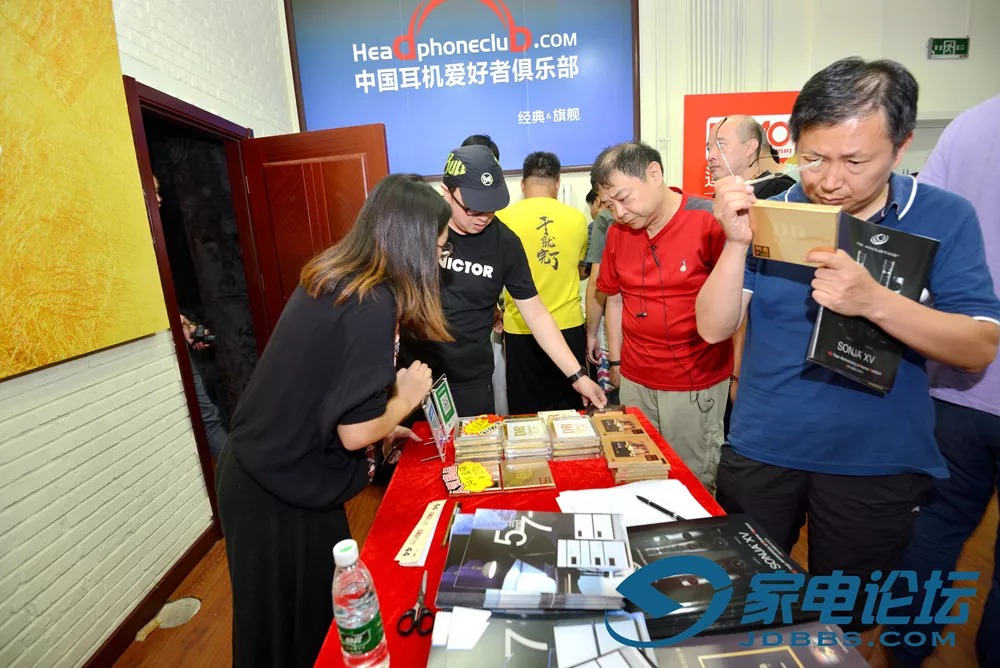
下午的慶典活動裡,除了達人藝典的劉達老師、駿韻音響、諾歌音響、家電論壇等主辦方代表外,還有著名音樂制作人張春一、當前火熱的作曲家方岽清、我國著名阮演奏家李宜宸 、日本 Memory-Tech 株式會社中國代表閻華親臨現場。這些藝術家,作曲家,唱片制作方等代表也紛紛上台,給現場發燒友帶來了非常多的干貨內容:
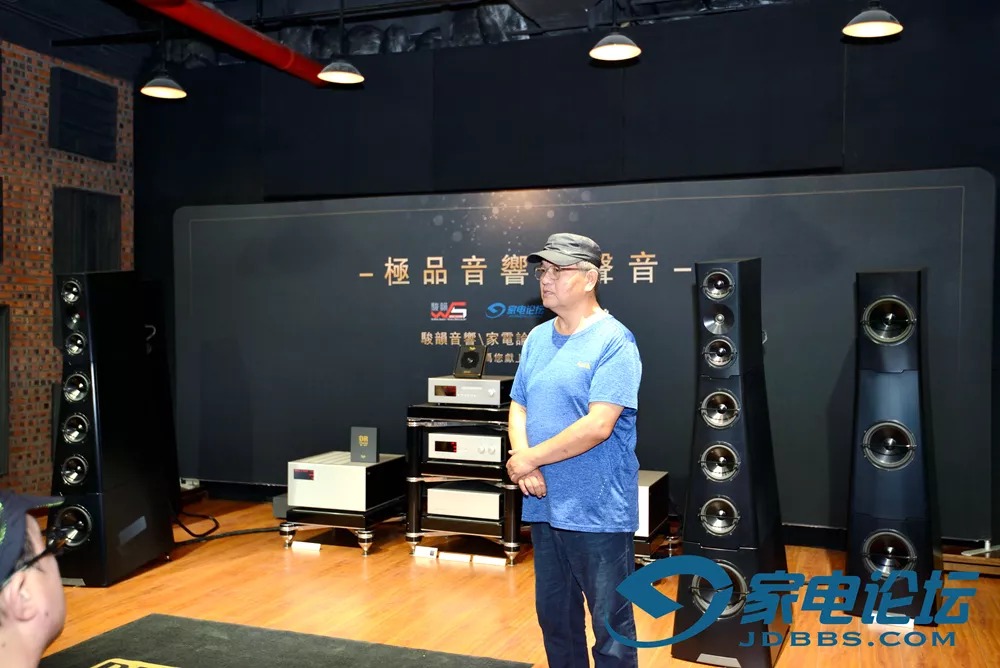
劉達為北京本土的音樂迷和音響迷現場分享了錄音工作的心得,以及《達人·拾年》玻璃 CD/MQA-CD 制作的心路歷程。無論是玻璃 CD 還是 UHQ CD 介質,《達人•拾年》唱片都採用 MQA 24bit/88.2kHz 高解析編碼,是國內首張採用該編碼的 CD產品,帶來極致 Hi-End 至尊享受。
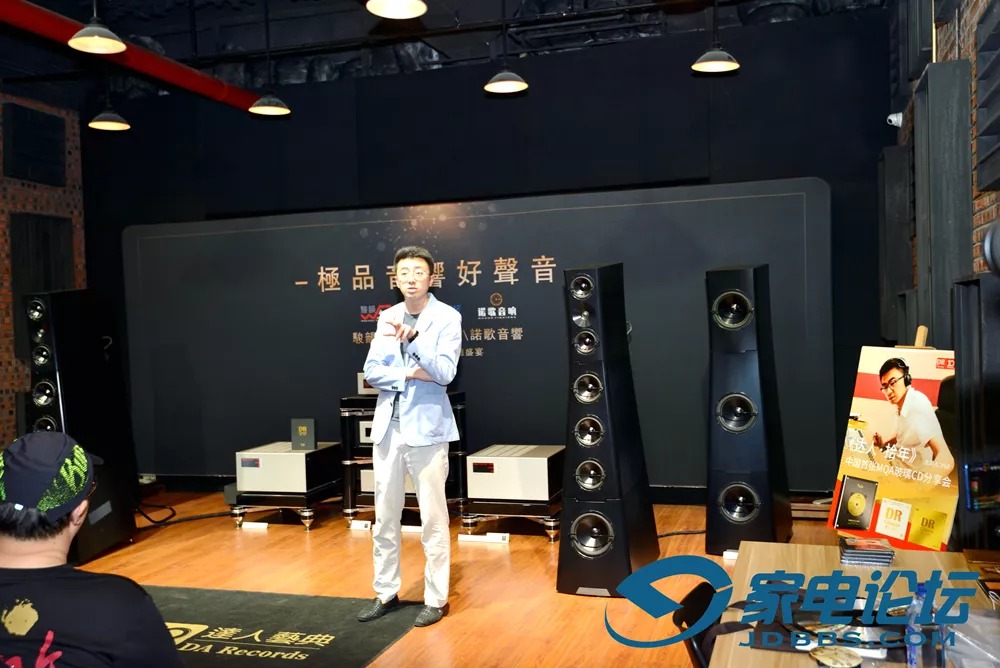
張春一老師上台,為大家帶來音樂制作人角度談音樂制作方面趣事。
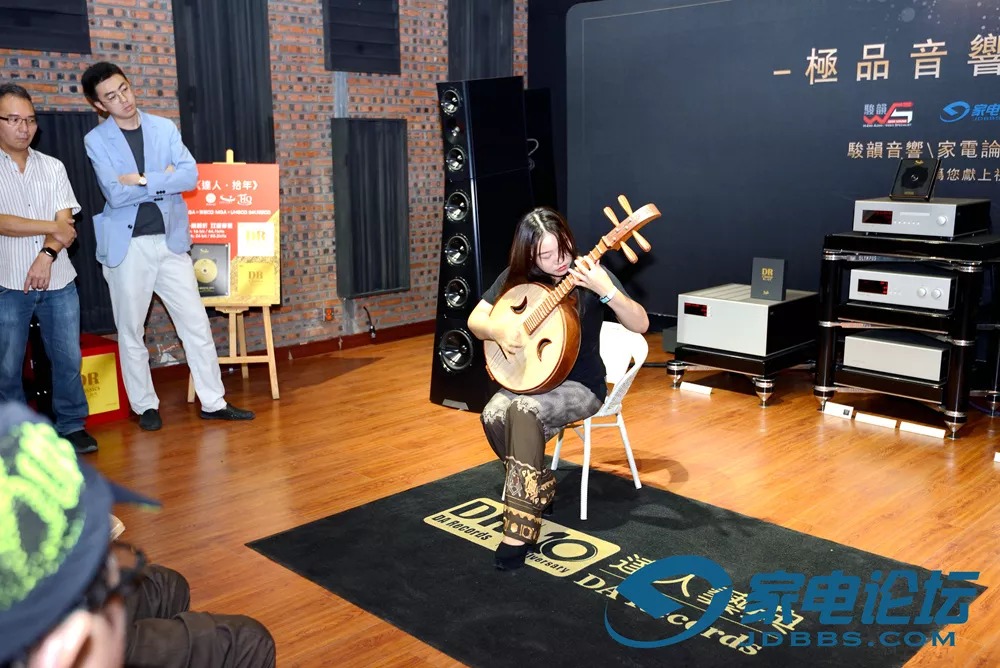
阮演奏家 李宜宸 分享了 樂器 阮的知識。同時她還現場彈奏了演示唱片中的曲目,讓發燒友進行現場和音響回放方面進行對比。可以說,這套 700多萬的音響系統,對樂器的音色和音樂性把握的非常好,令人為之贊嘆。
作曲家 方岽清 為大家從作曲角度,講述一張唱片誕生方面的趣事。
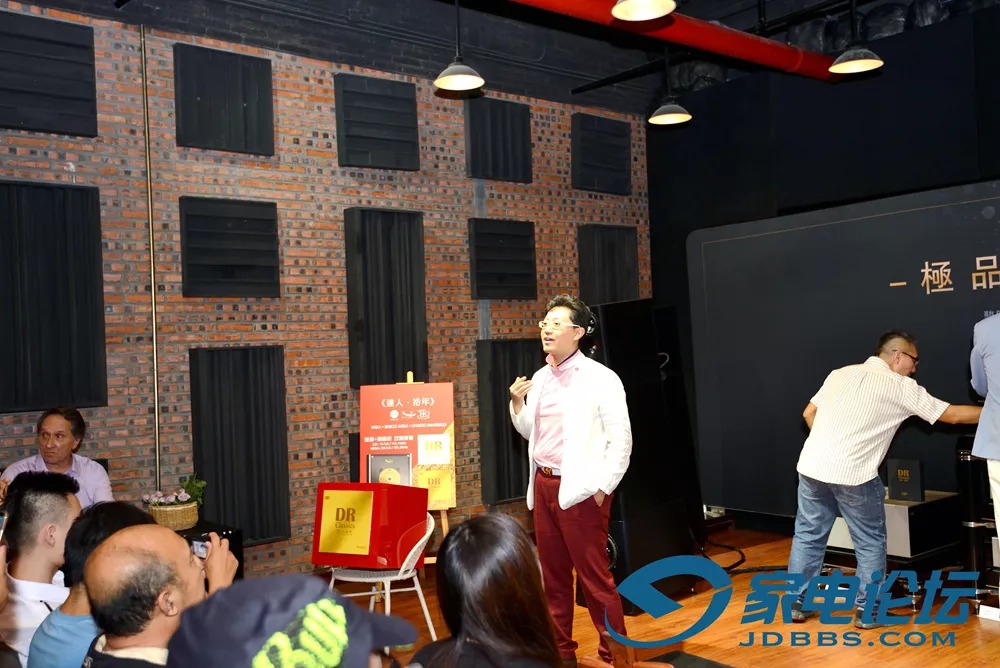
這次他與大家分享 UHQCD、玻璃 CD、MQA CD 的制作技術及特點,並且深入淺出地講解了不同CD品種的制程與加工技術,干貨滿滿的。
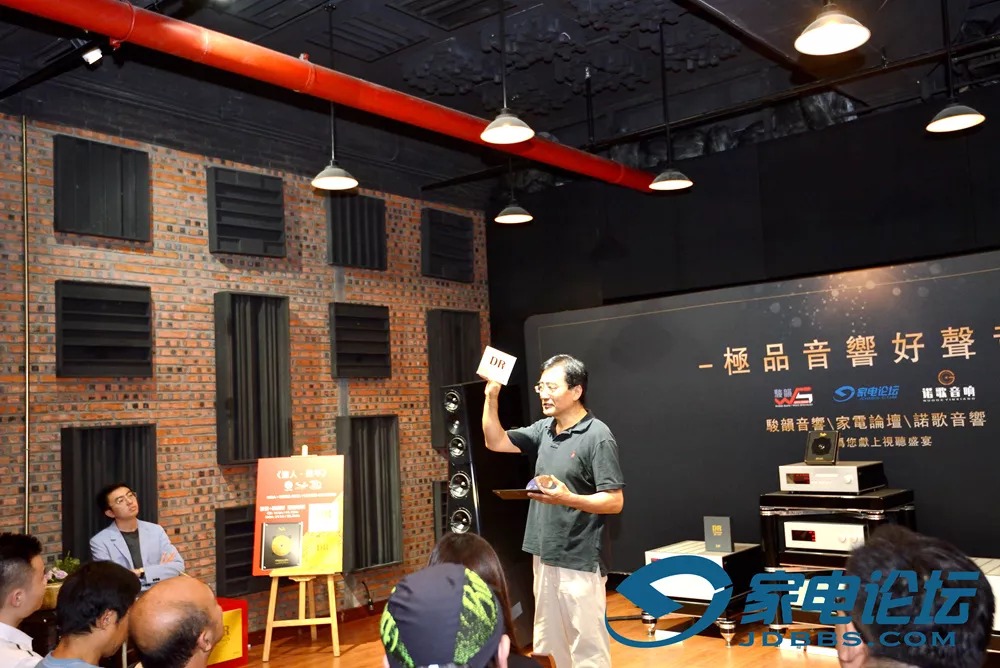
YG Acoustics 銷售及市場總監Mr. Dick Diamond 先生講解 YG Acoustics 的產品特性。除了旗艦產品 Sonja XV (旗艦四件套)外,其實YG Acoustics 還有其他價格少便宜些的產品。這些產品隻有使用房間面積大小,但是沒有音色上的差異。
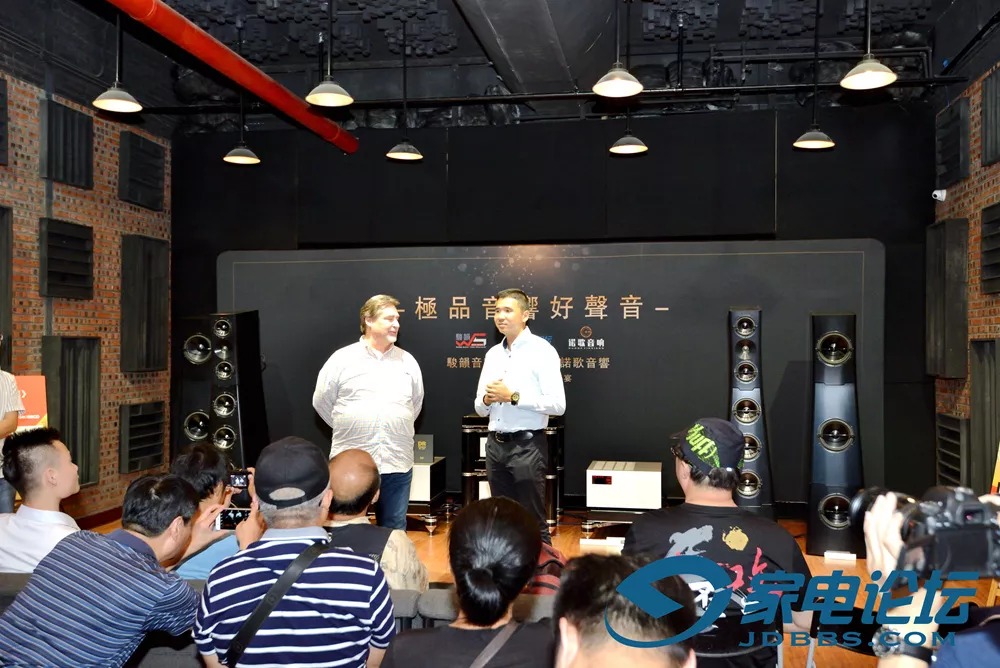
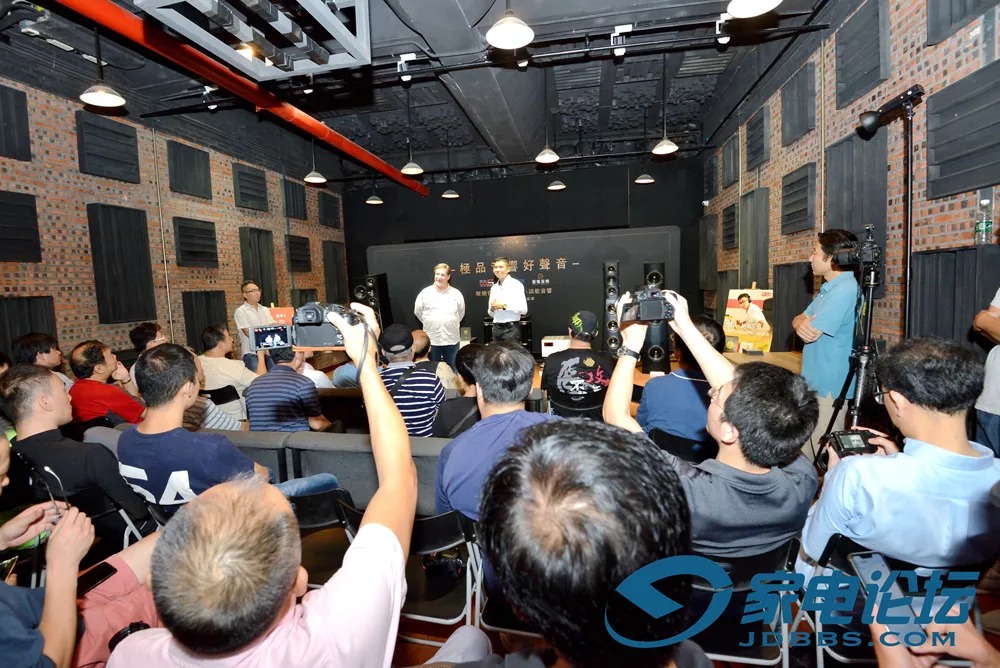
Critical Mass System 最新的頂級 Olympus-V12 Luxary 卸震平台,在性能和美學方面為高端音頻設計的杰作,為音樂愛好者提供了最佳的傾聽體驗。
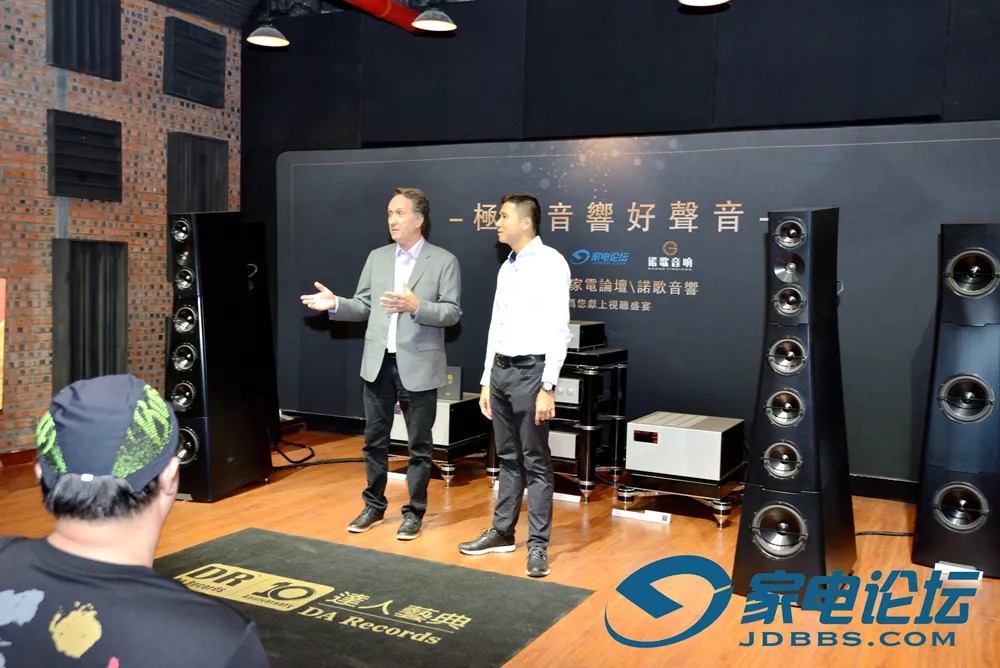
活動結束,張春一老師、方岽清老師、李宜宸老師 、閻華老師,與駿韻音響、諾歌音響、YG Acoustics 銷售及市場總監 Mr. Dick Diamond 先生、CMS 總裁及設計師 Mr. Joseph Lavrencik 先生與現場眾多的發燒友們一起慶祝 達人藝典 10周年 快樂!
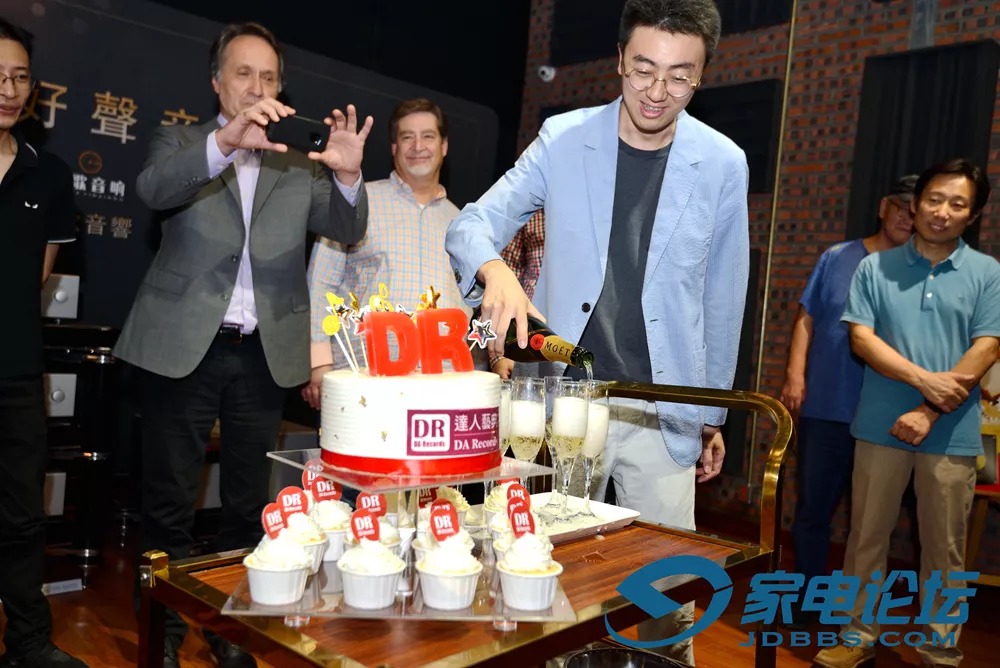
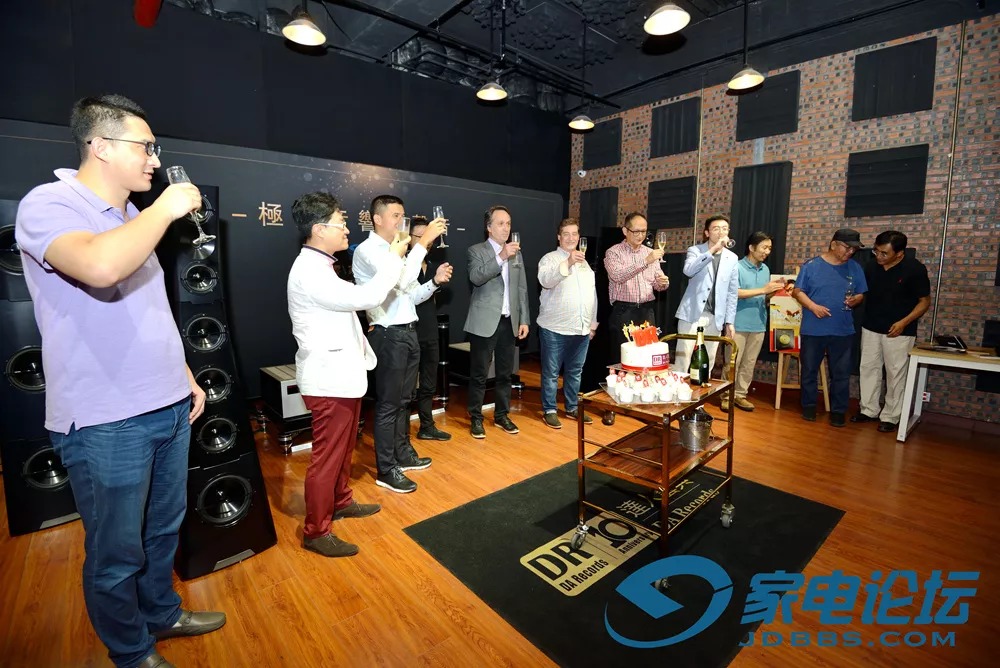
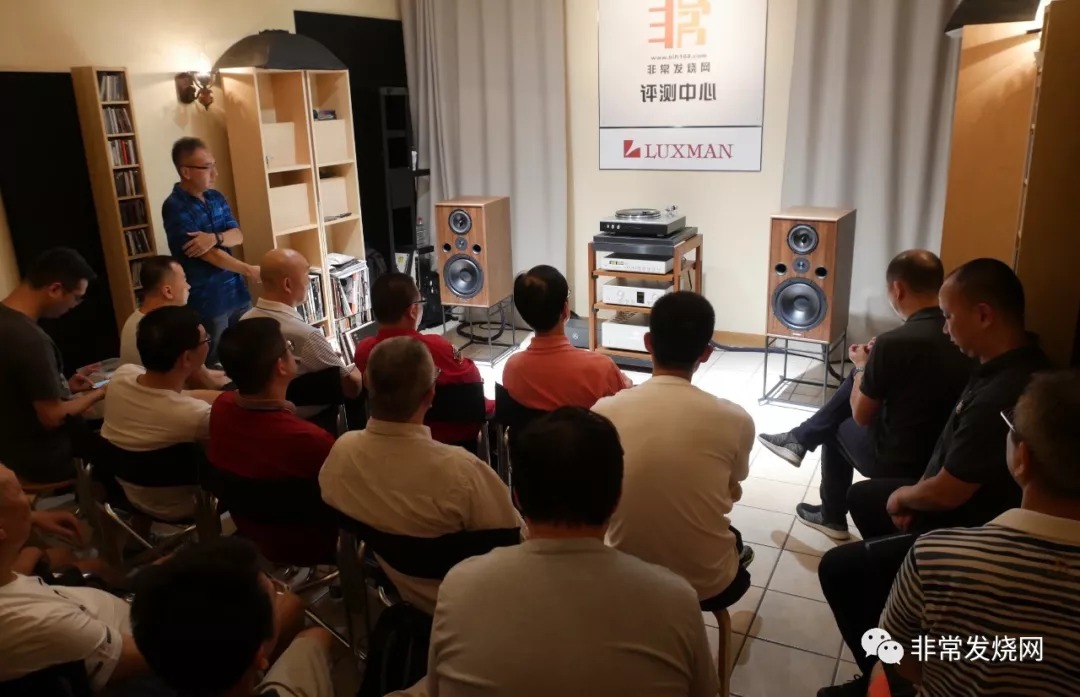
9月8日一天是純硬件講解,而大獎也將在當天活動中產生。別看本次活動已經經歷過周五、周六兩天的洗禮,周日上下午來賓同樣不少,超過預期。
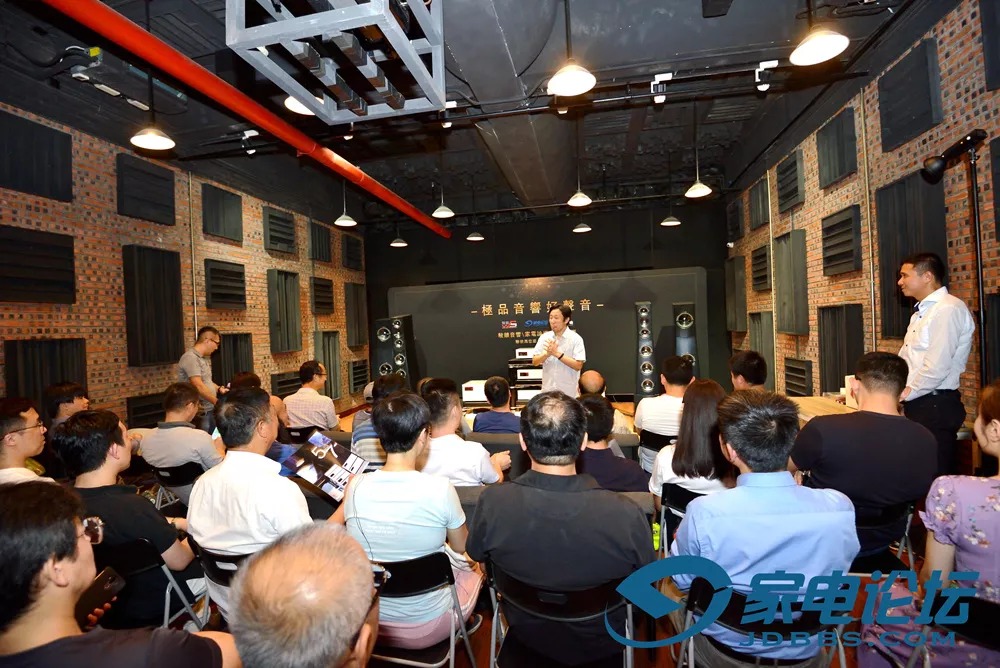
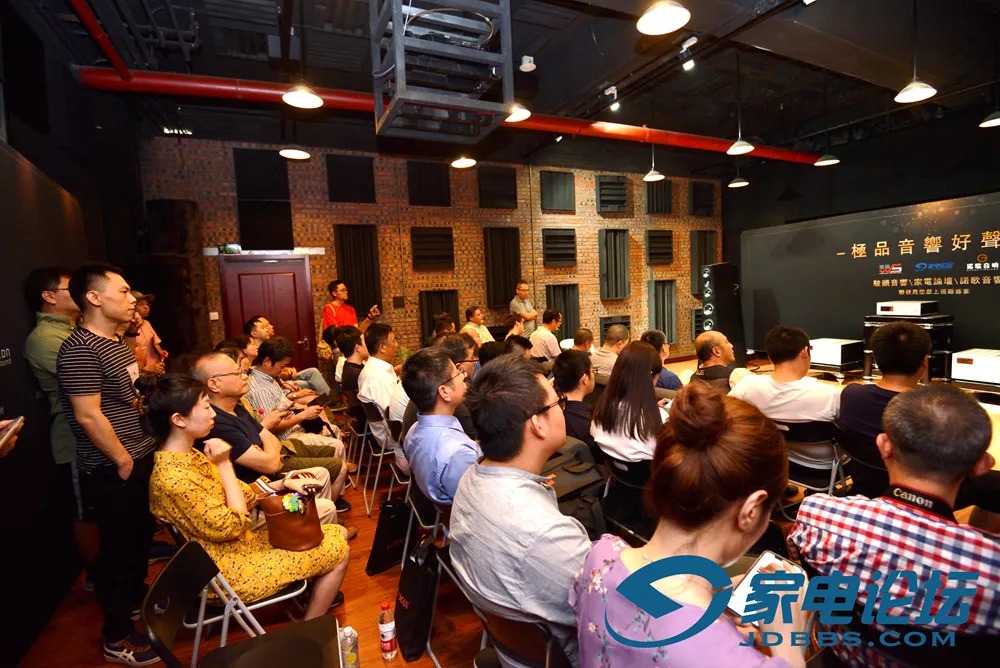
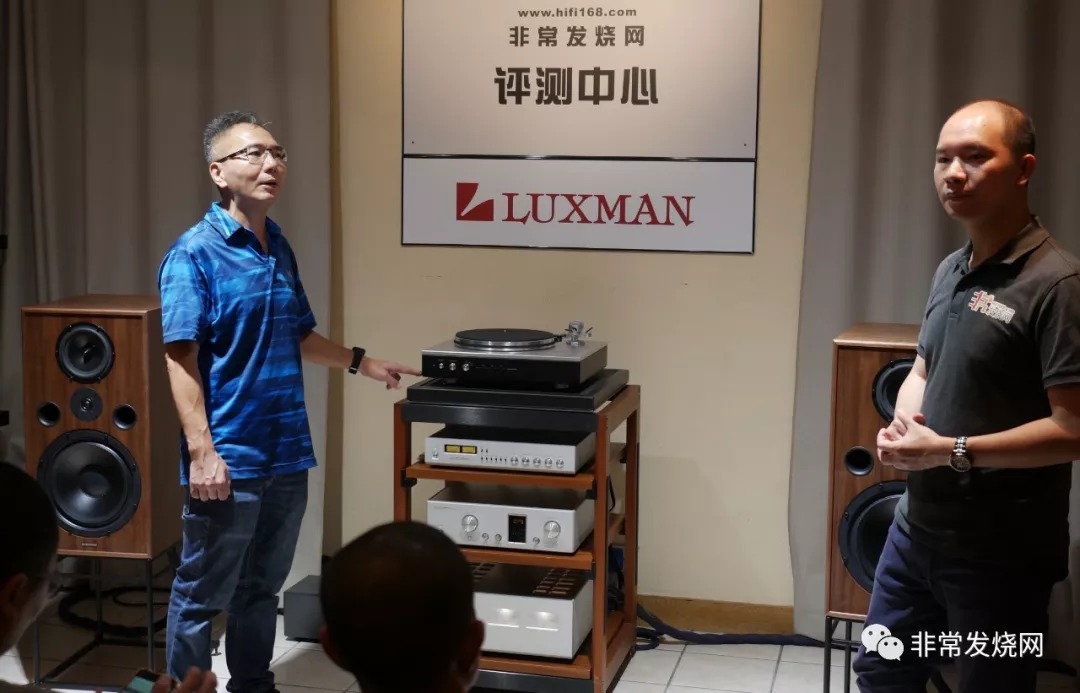
上午同樣是VIP專場,主要還是硬件講解為主,Mr. Dick Diamond 先生 和 Mr. Joseph Lavrencik 先生以及駿韻音響、諾歌音響的小伙伴們都非常的敬業,講解風趣幽默,受到現場發燒友的喜愛。
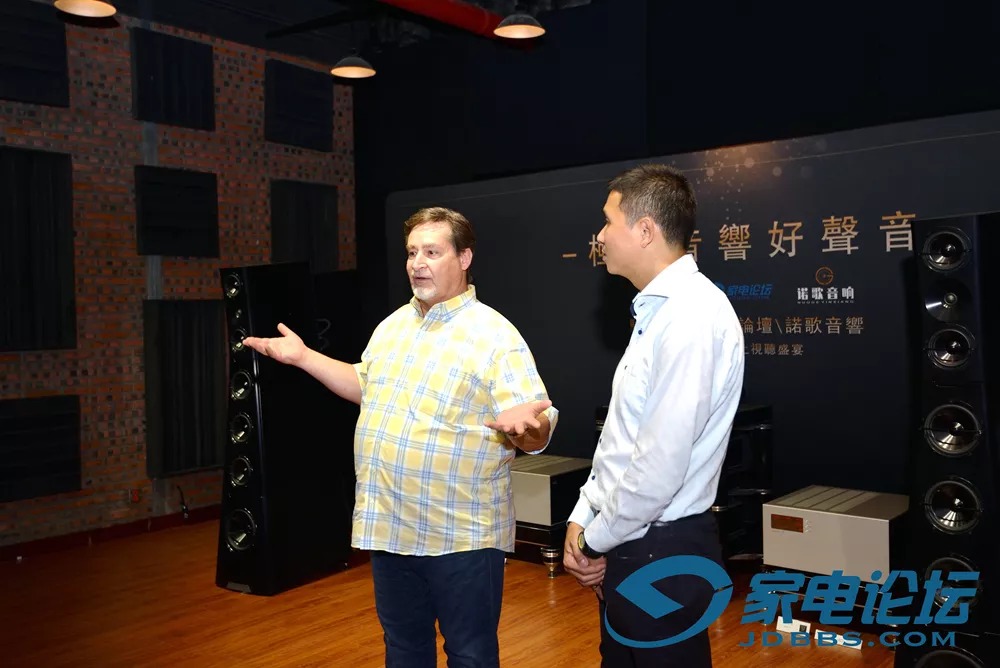
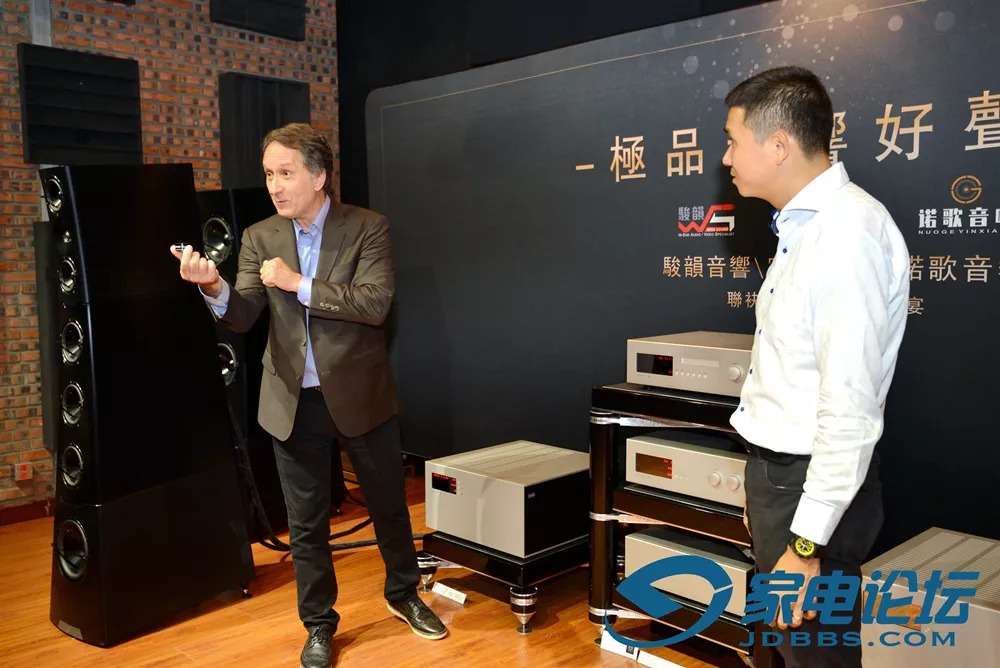
駿韻音響的鄭總和諾歌音響的王總介紹了市場渠道方面的相關內容。
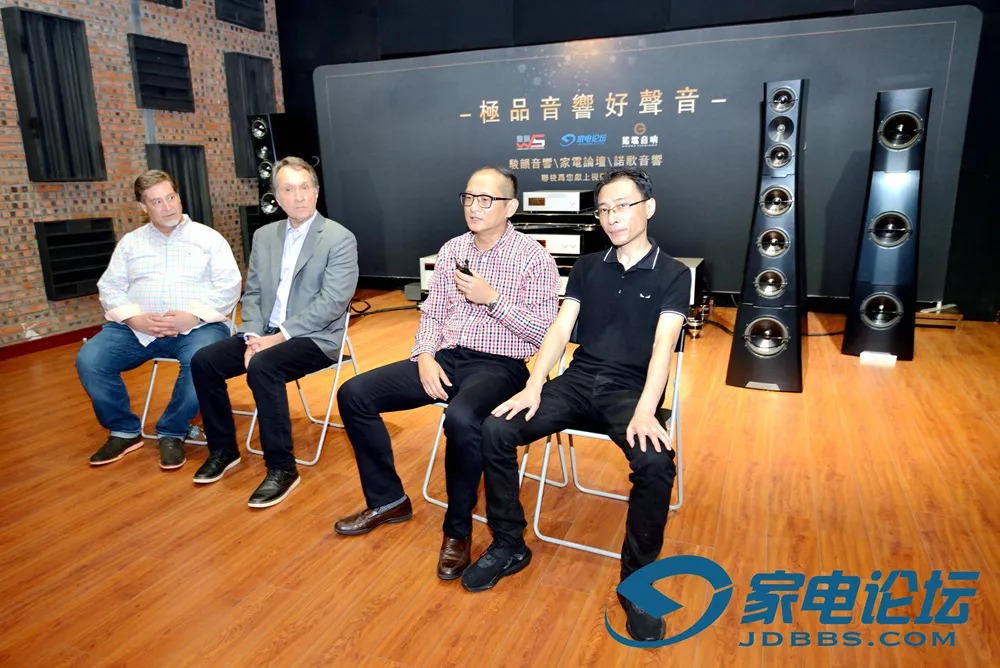
同樣,作為慶典周,豐厚的獎品也沒有讓發燒友失望。在兩天下午的公眾場,發燒友都獲得了豐厚的獎品,現場積攢第一名還抱走了價值 3000多元的黑膠唱機大獎。另外還設有諸多“達人藝典”《達人.拾年》 金碟和MQA 高清發燒唱片、Atlas 信號線、AudioQuest RCA Jack、《音響技術論壇》紀念唱片等豐厚大獎。
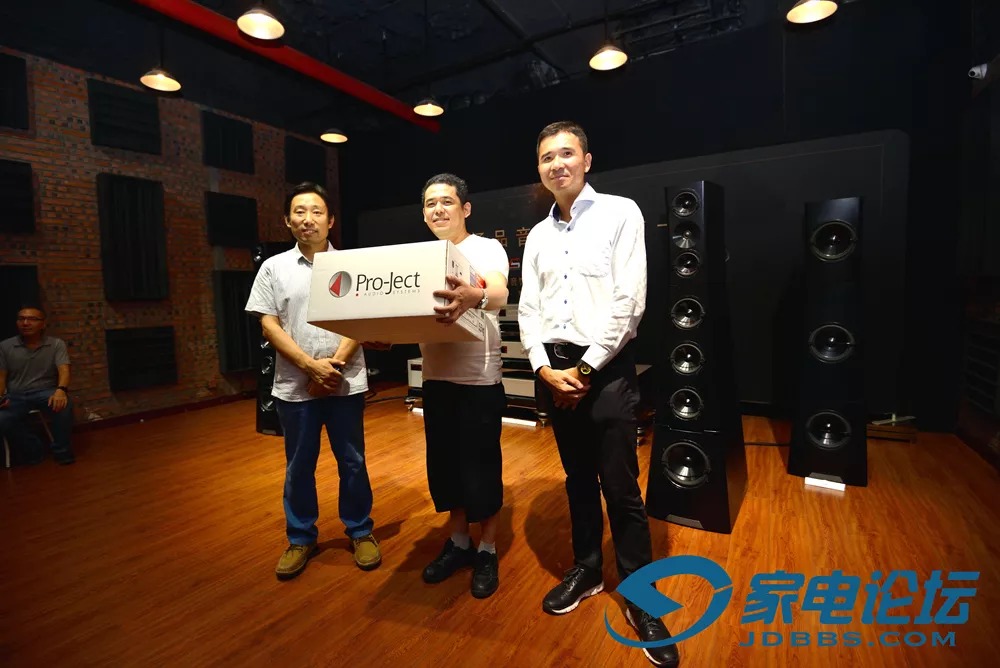
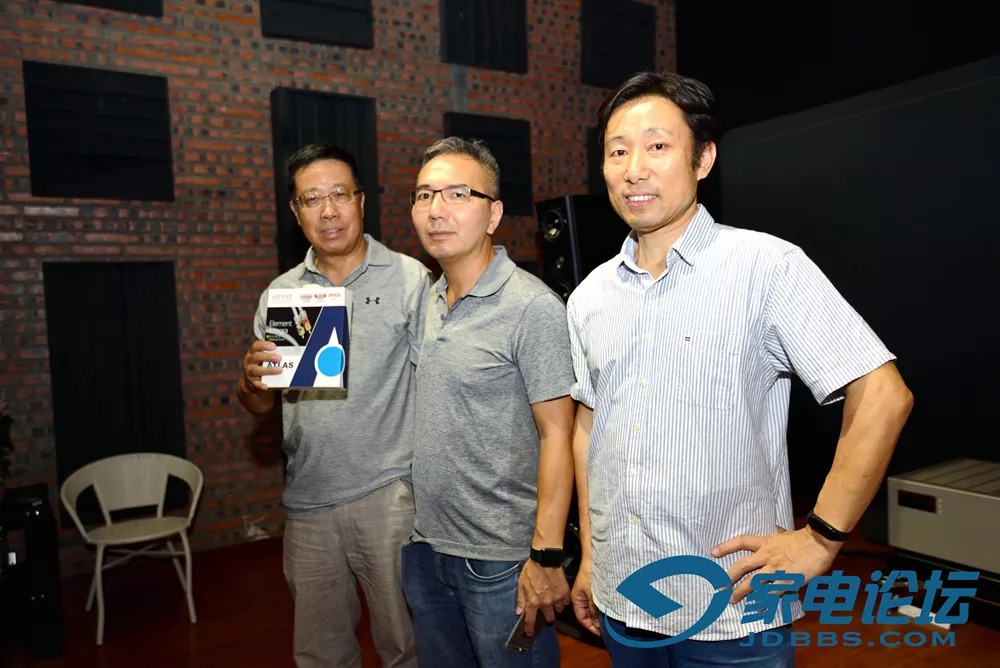
世界頂級音響系統帶來的全新音響升級體驗,豐富多彩的知識講座,有趣生動的活動,讓發燒友流連忘返。活動結束以后,很多發燒友還在現場聆聽這套系統的絕妙之處,並和這套系統留影留念。
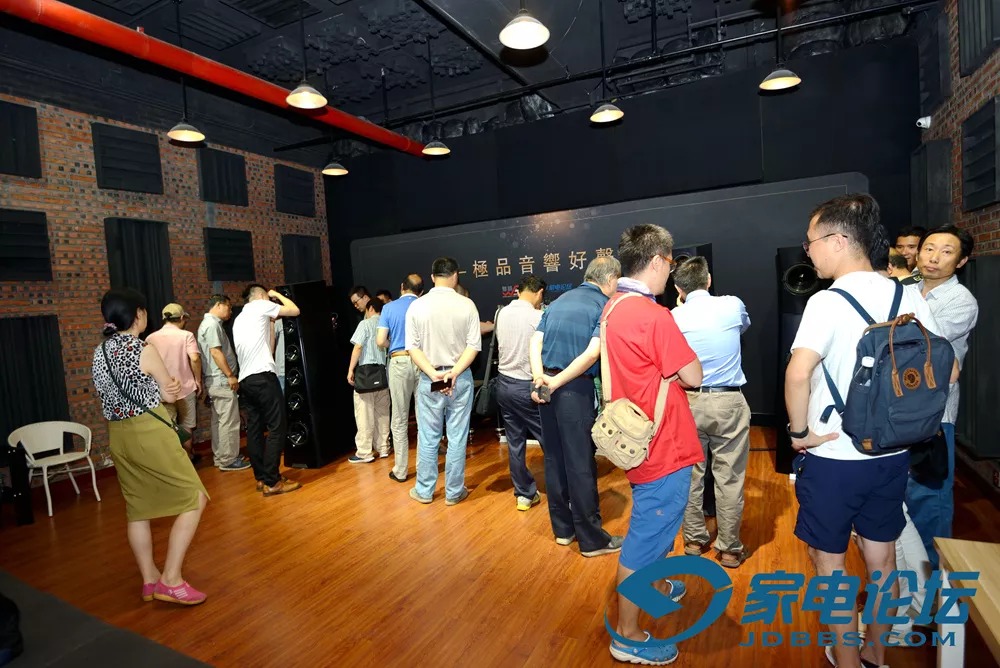
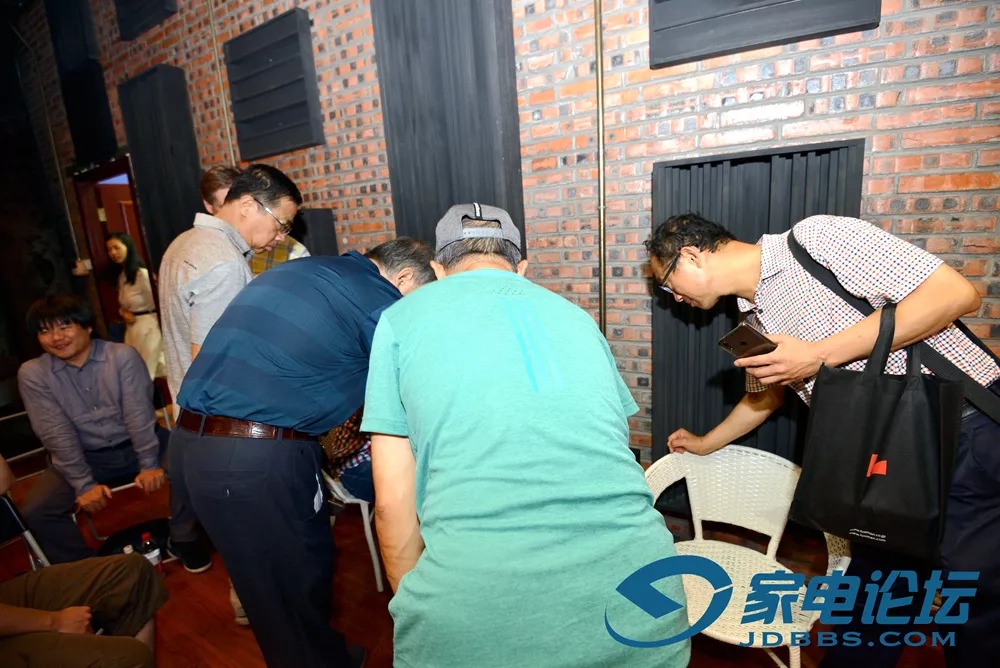
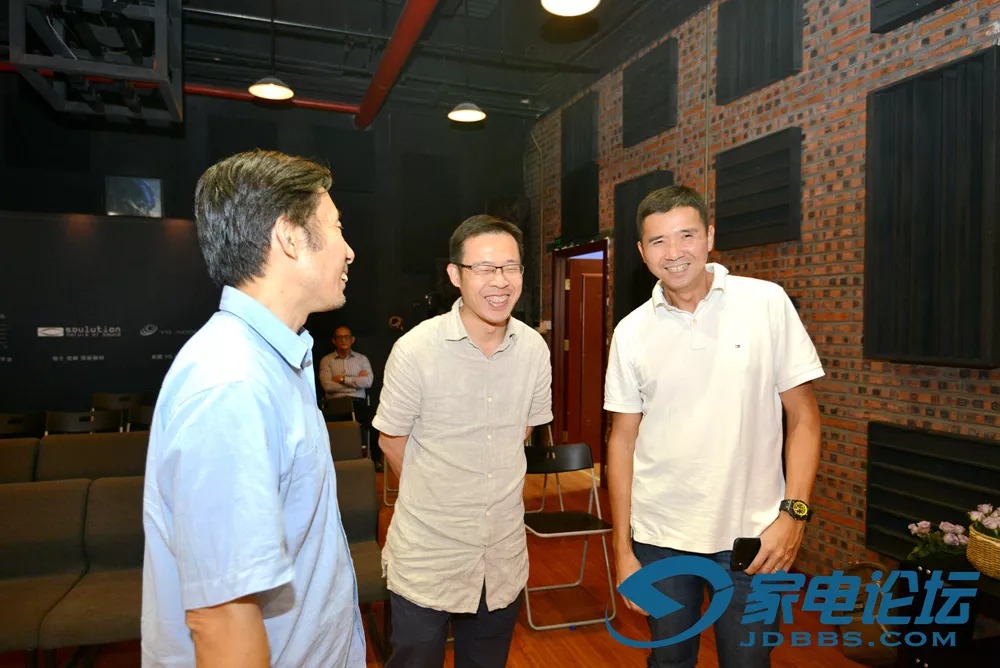
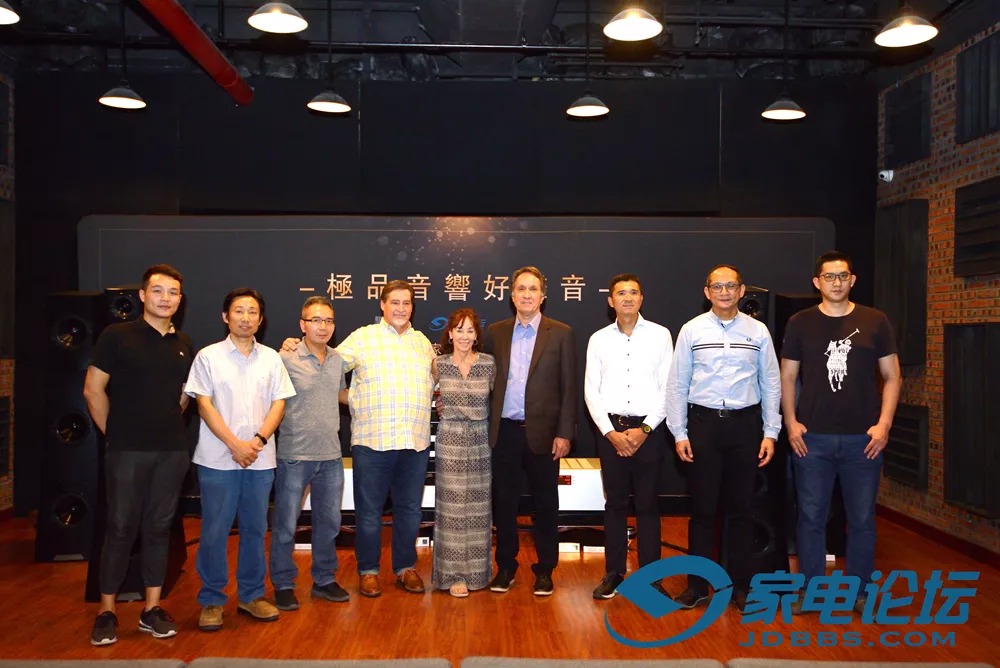
活動結束以后,發燒友紛紛表達了對該套系統的喜愛。
來自日本的影音媒體友人現場聆聽這套系統后的評價。


極品音響好聲音系列活動的舉辦目的,是讓代理商、廠家直接與發燒友面對面的交流,在講究的聲學處理的環境中,讓所有參加活動的發燒友聆聽到這些頂級系列音響器材應該具備的好聲音。從活動現場以及活動結束后發燒友的反饋上看,本屆極品音響好聲音慶典周取得圓滿成功。

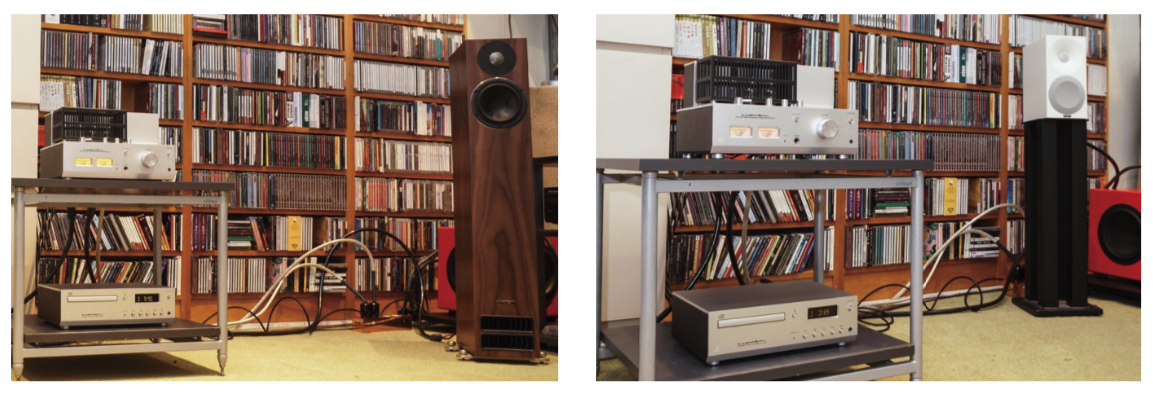
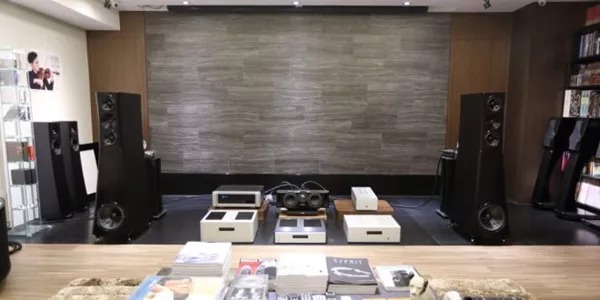
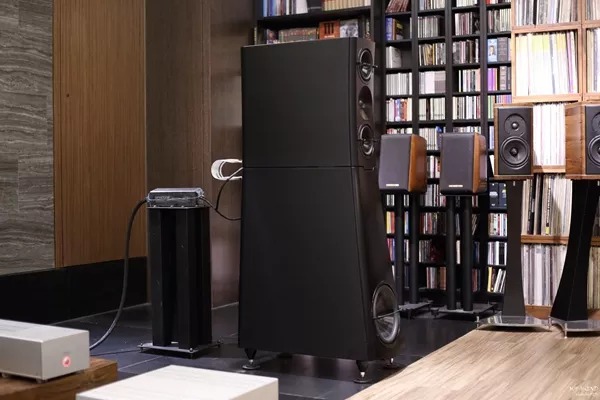
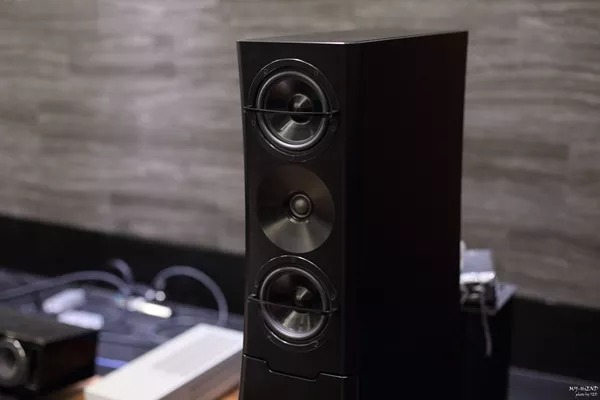
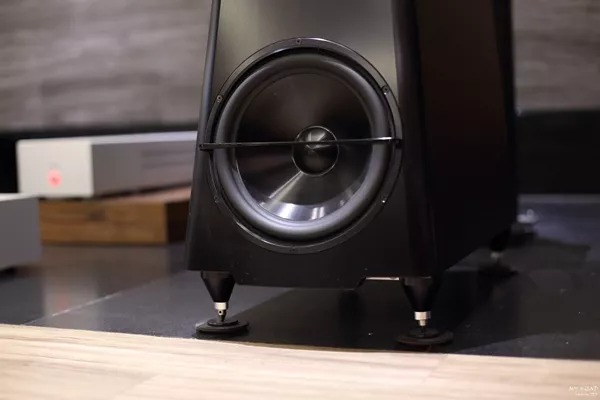
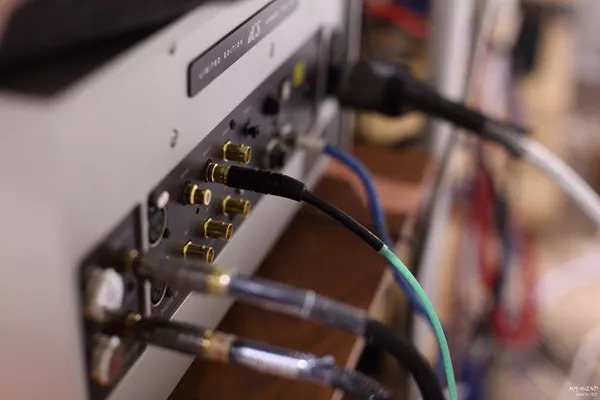
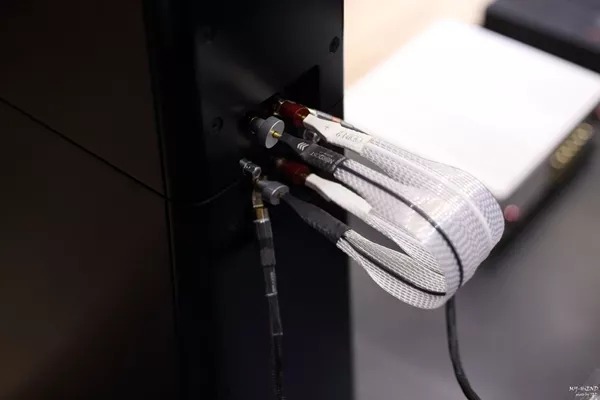
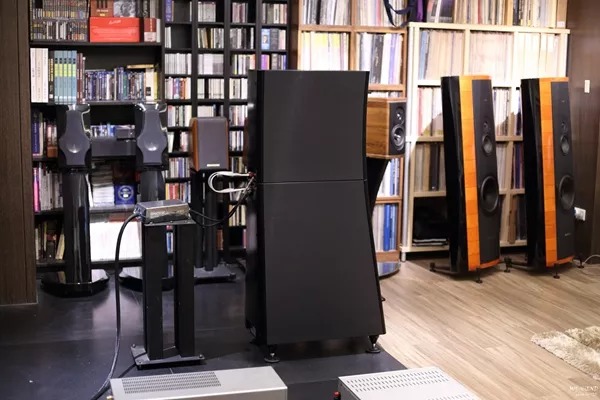
 聆聽時先播放了 Tracy Chapman 在 1988年推出的首張同名專輯,這張唱片是張老板之前就曾與我分享的片子,他說以前在音響展上這是很多展房會播放的發燒片,因為年代比較遠,我也比較不熟悉,不過首次聽到時就非常喜歡這位黑人女歌手的聲音,非常有魅力。這次來鼎捷音響我就豪不客氣請張老板再播放一次,果不其然歌手魅力非常有靈魂,完全地扣人心弦。第四首清唱的〈Behind The Wall〉呈現了完全無毛邊的人聲,聲音凝聚力和漆黑背景形成強烈的對比,整個聆聽空間中就剩下這一個歌手的聲音,呈現純粹與自然。在空間裡,人聲音像大小與聲音高度非常剛好,閉上眼睛就有歌手就站在前面唱歌的錯覺。音響系統好唱片又好就是這種純粹的享受。
 再放一張熟悉的玉置浩二《酒紅色的心》,這套系統的聲音是非常中性的音色,因為處理得很好所以音樂背景真的是很干淨,讓音樂的動態對比呈現得更加清楚,歌手演唱時的細節非常清晰,這在演唱過程中很快就能發現。音樂播放的過程中,音箱基本是消失的,即便腦袋裡知道他們活生生地站在那,但很快就能忽視他們。這套系統的音響性難以挑剔,動態對比、中性清晰、聲音質感也是一等一的好,解析力更是讓演唱細節無所遁形,而且很均衡,難以忽視掉任何一個段落或樂器,雖然人聲是主key,但這種均衡度就好像讓整首歌曲處處是重點,成為非常豐富的演出。
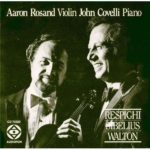 接著放一張張老板的收藏,由 Aaron Rosand 演奏小提琴,John Covelli 演奏鋼琴的協奏曲專輯《Respighi, Sibelius, Walton – Violin Sonatas》,由 AudioFon 在 1992年發行推出,光看封面就知道錄音很老的片子,而 Aaron Rosand 也在今年 7月初於紐約以 92歲高齡離世。這張錄音不能稱上是高解析,但是充滿自然的音色與優美的旋律。這套系統讓其在上下兩端的聲音延伸非常自然,鋼琴多在中低音部演奏,既有厚度、重量感,並仍然保持充足的解析力。小提琴的線條與節奏是非常優美的,感情充沛,音樂性非常好。兩者協奏之下既是各自風採獨立又彼此協調,展現了歲月累積的老練演奏經驗,比起現代更多強調技巧展現的片子,這張專輯有時更能讓人醉心於音樂當中。用鼎捷音響的系統播放就是信手捻來,無論在音響性或音樂性上,似乎不費一點力氣就能完整地呈現音樂之美。
 播放熟悉的《Tutti !》,在鼎捷音響的空間中音場之寬深度從來不是問題,以前在舊店面時,整體寬度和深度窄了很多,和現在根本無法模擬,跟小家庭中的客廳相比大不了多少,當時張老板的調整就能讓整個音場向兩側與系統后方延伸,而且能在很大音壓下卻不顯駐波與淤積,聲音總是顯得開闊,我到現在還是覺得神奇。新店面裡的試聽室那就寬敞數倍之多,不但音響系統可以擺放的橫寬與縱深都非常充裕,在聆聽位后方更有直達門口 10公尺以上的吞吐空間,可以想見能讓張老板玩得更為盡興。播這張唱片時,音場不必懷疑,相當寬敞,每個樂器在演奏時音像位置非常明確,且完全不虛,非常有實體感的,連細微動態都很明顯,也因為音場寬廣,有如近看大屏幕電影一樣,我甚至能移動頭部盯著某樂器的演出。對張老板來說,希望能做到的就是像這樣的親臨現場,當然理性上音響系統不可能像現場,隻能盡量帶入現場某些類似的感動,例如龐大的樂團規模感,寬敞的音場或是靜態與動態的對比再生,而張老板在這方面已經是少數做到接近的音響店家,真的值得大家都來實際聽聽。
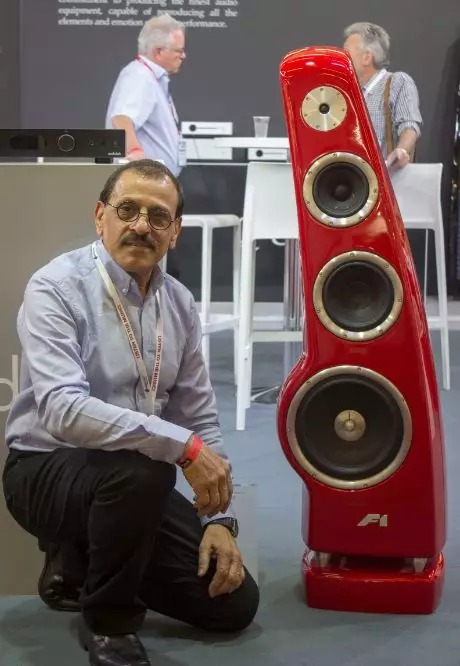
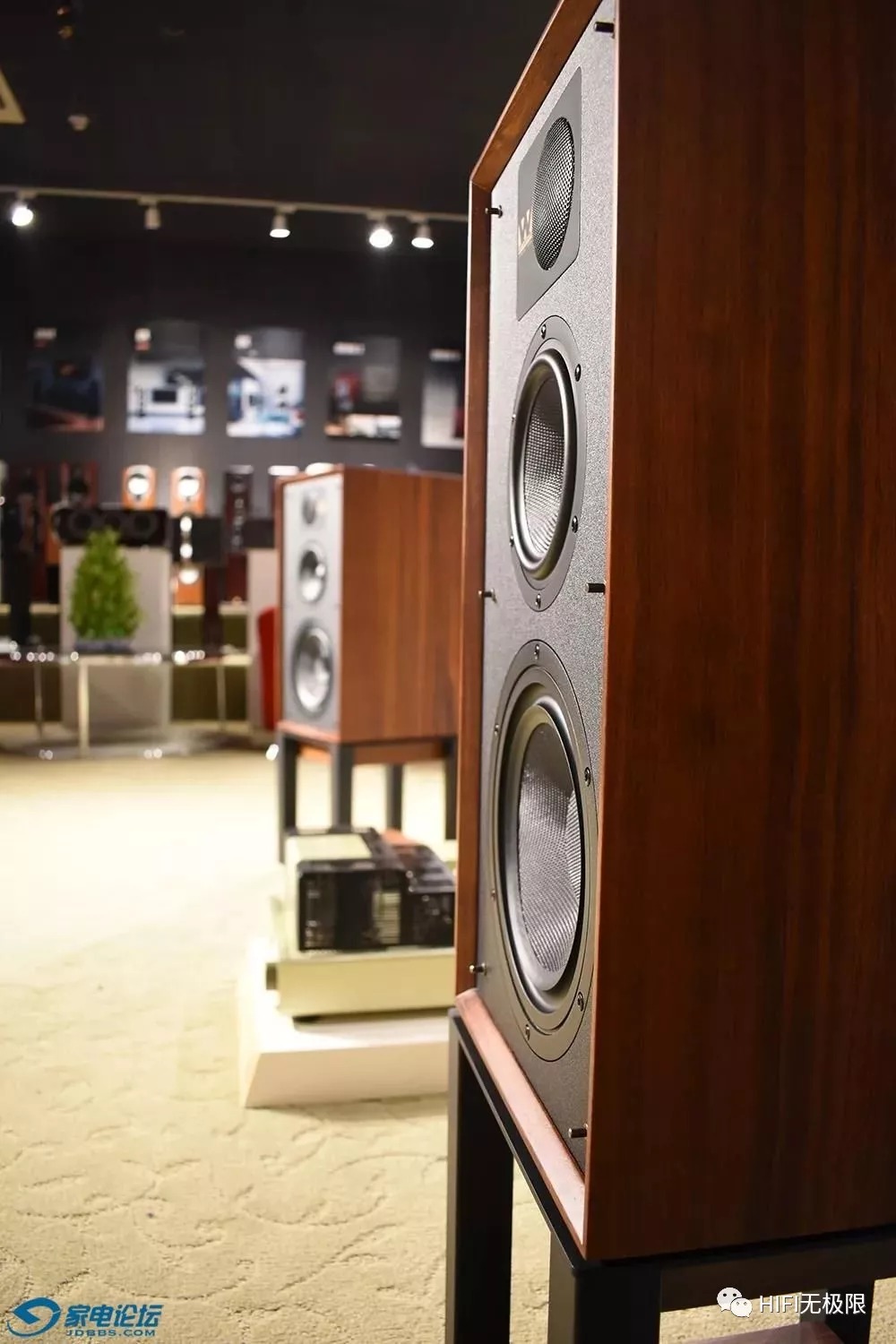
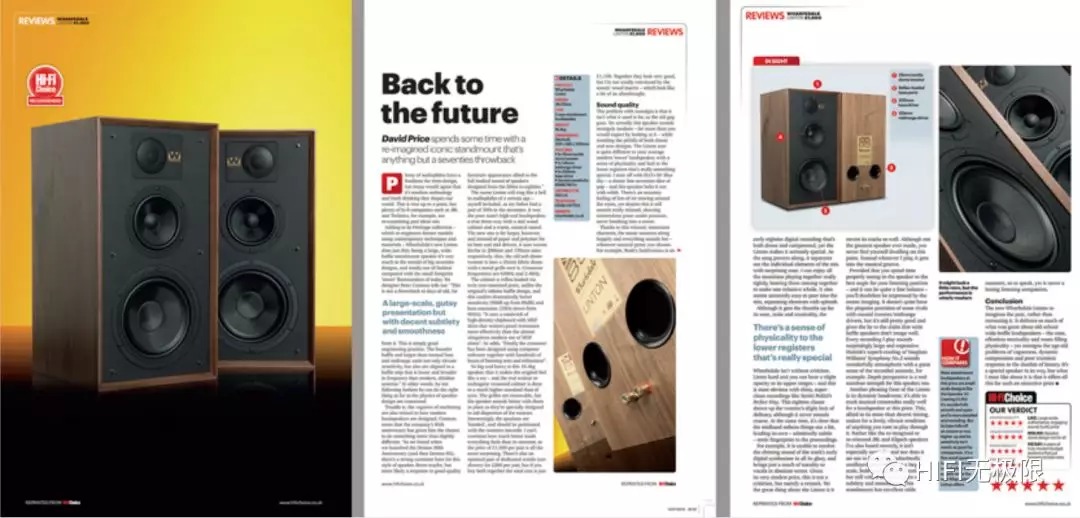
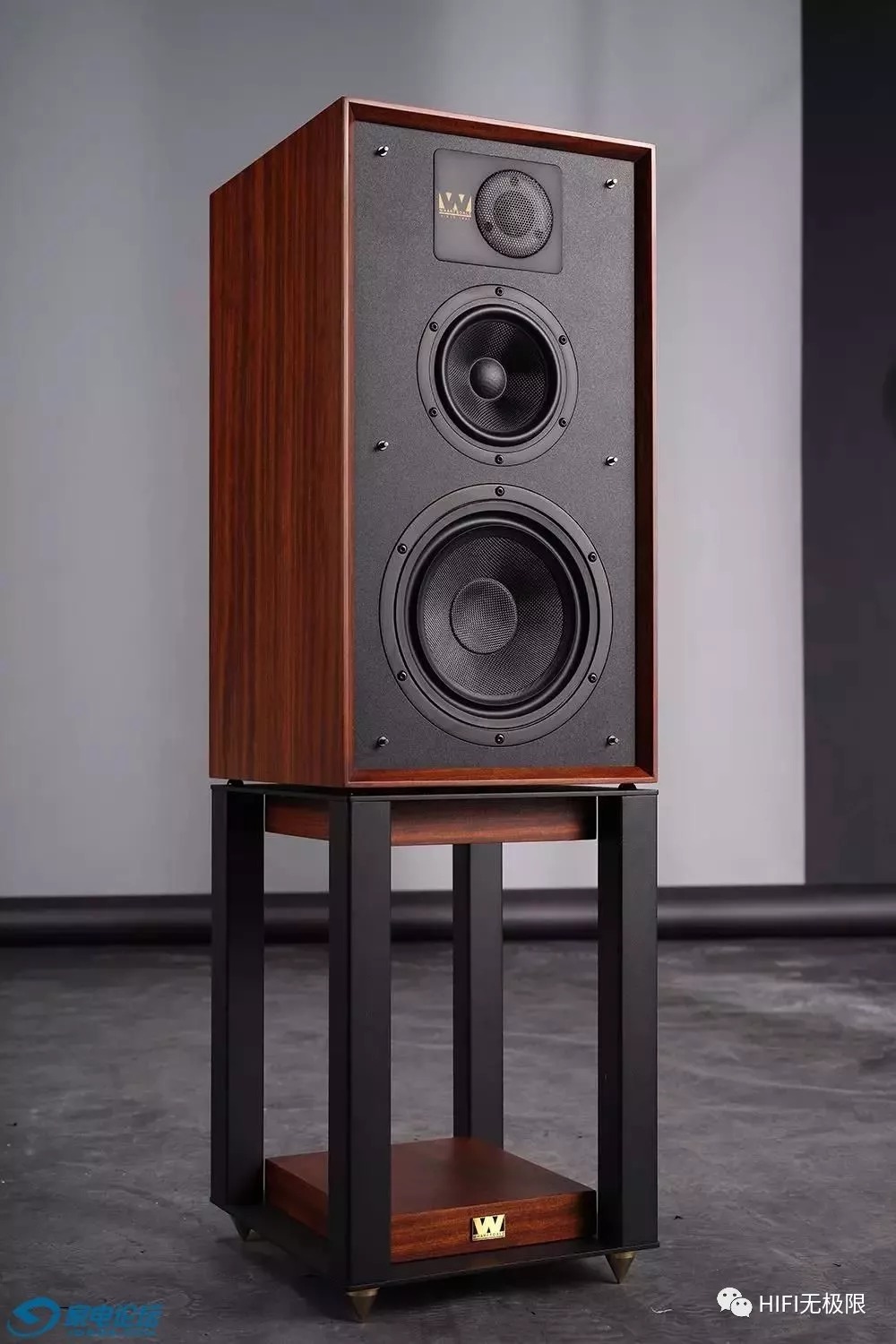
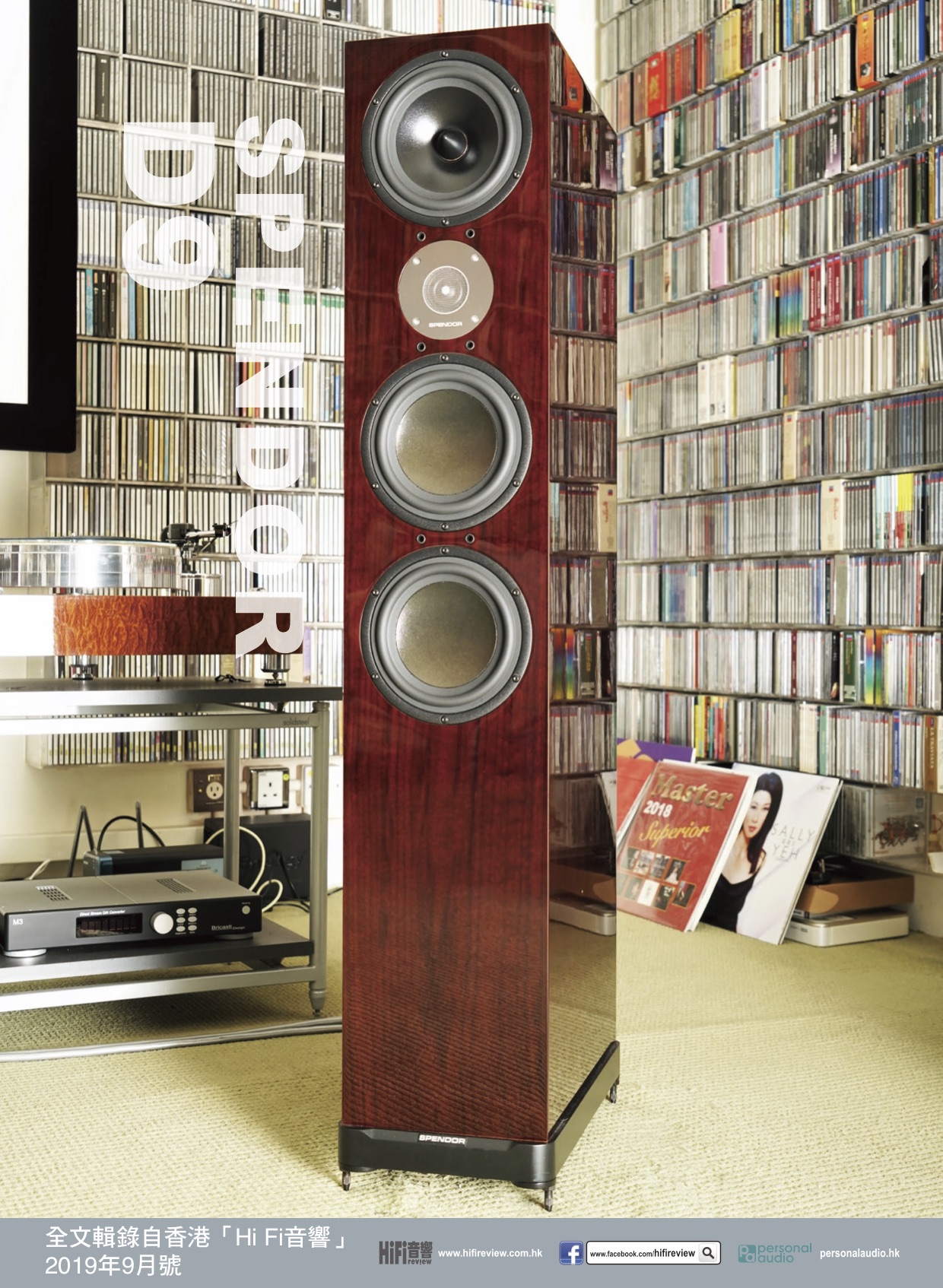
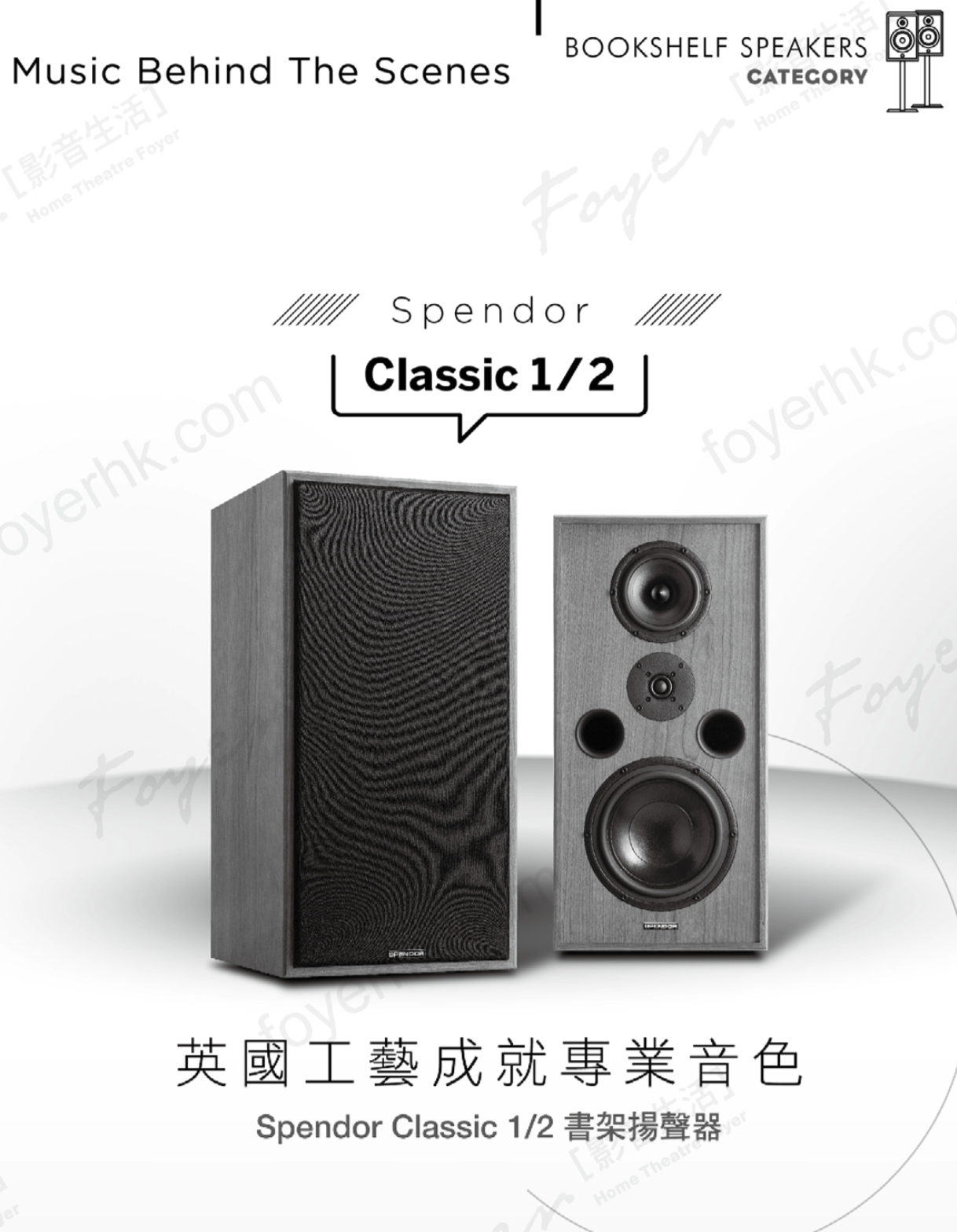
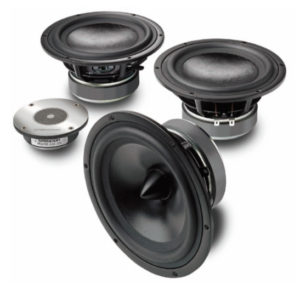 Spendor 現時的三個系列,有一個共通點,就是採用新設計的 EP77 Polymer 中音單元。市場上,有能力自行設計所有單元的品牌並不多,Spendor 是其中之一, 而如何運用 Polymer 是 Spendor 的強項,早在不少品牌仍然採用紙盆時,他們經已埋首於 Polymer,原因是認為這種物料比紙盆穩定,而且耐用得多。 多年來,廠方從 Polymer 的原料到單元設計,經歷許多年的研究及更新,才成 就出現時的 EP77 版本。EP77 有 150mm 和 180mm 兩個直徑,D9 所用的是後者。 這款中音除了 Polymer 振膜之外,還有另一個重點,就是相位錐。廠方花上大 量時間進行研究,希望為相位錐定出一個最佳形狀及大小,以發揮最有效的相位修 正、控制擴散作用,同時令頻率響應變得平直。
 當代揚聲器主流設計,除了向收窄前障板、加深聲箱方向發展之外,還有加固箱體,令它難以起振。但了解 Spendor 的讀者朋友都會知道,他們一直信奉另一個方向, 也是部分英國老牌揚聲器廠家都奉行的,給聲箱在受控情況下起振。 雖然都是讓它受控地起振,不過目的不同,想要的共振模式亦不會一樣。 Spendor 認為,依賴厚重聲箱加上阻尼物,只會造成能量積存,而非轉換、清除,這些未能清散的能量還是令聲音變得混濁。廠方的做法是令聲箱在受控的情況下出現共振,加上特別阻尼物,令能量盡快轉換成熱能,然後消散,盡可能減少積存。廠方將應用在 D-Line 揚聲器聲箱的共振轉能設計,稱之為 Spendor Dynamic Damping 技術。 不要誤以為箱體能夠起振,就一定要削薄其外壁,以及較為輕盈,事實上, D9 重達 35kg,聲箱實淨之餘,造工亦非常出色,從它的亮面打磨平整度,已可見一斑。
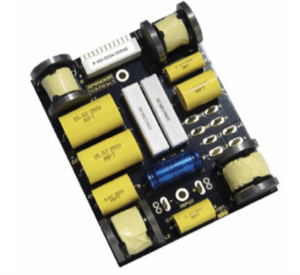
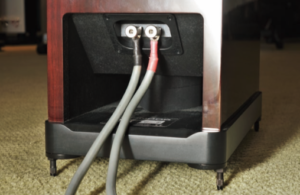 D9 的聲箱設計特點,除了 Spendor Dynamic Damping 之外,還有特殊低音反射孔設計。這個反射孔在背板下面,內裏裝設梭形氣流控制裝置,將反射孔一分為二,同時引導、整理氣流。這種設計想當然是效法方程式賽車的流體力學,希望加快空氣流動以及減少回壓,令低音反應加快,而且更加清晰。 至於分音器部分, D9 的分頻點是 500Hz、4.2kHz,中音與高音的銜接點高於人耳極為敏感的頻段,希望令聽感更加自然。靈敏度則是 90dB,阻抗在 8Ω 上下,變動幅度不大,味意着 D9 不會對後級過分苛刻。 這款擁有大量技術特點、外觀典雅、造工出色的揚聲器,仍然是英國製造,從研發、製作到聲音走向,都沒有背離 Spendor 的根源。
 第一張參考專輯是《LaScala: Overtures, Preludes& Intermezzi》(Filarmonica Della Scala, Riccardo Chailly),經 D9 播出來的聲音充滿暖意,這種溫暖固然有部分來自 Accuphase,不過主要還是出自 Spendor D9,而兩個暖和、厚聲的品牌加起來, 卻沒有性格重疊、拖慢腳步、低音肥膩等問題,反而把兩者的優點在不脫離忠實的前提下加以強化,又保留靈活身手。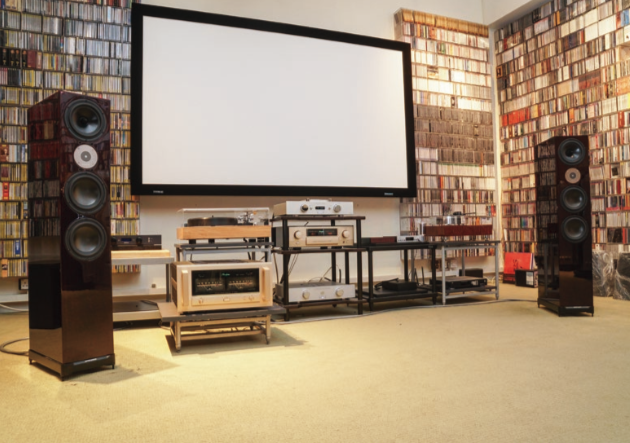
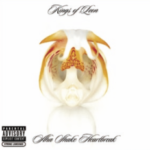 這款揚聲器是嘆音樂、感受音樂情緒的好選擇,而且不挑剔音樂種類與錄音質素。就 如同不少英國揚聲器那般,既可恰如其分地重播古典音樂, 又可以盡情開大音量播放搖滾 樂,試音末段就聽着 Kings of Leon的《Aha Shake Heartbreak》,炸得非常之爽。更重要是它在大音量是沒有一絲走樣、高音不會開叉。有力量、有火氣,卻不會為聆聽者帶來過多壓力。