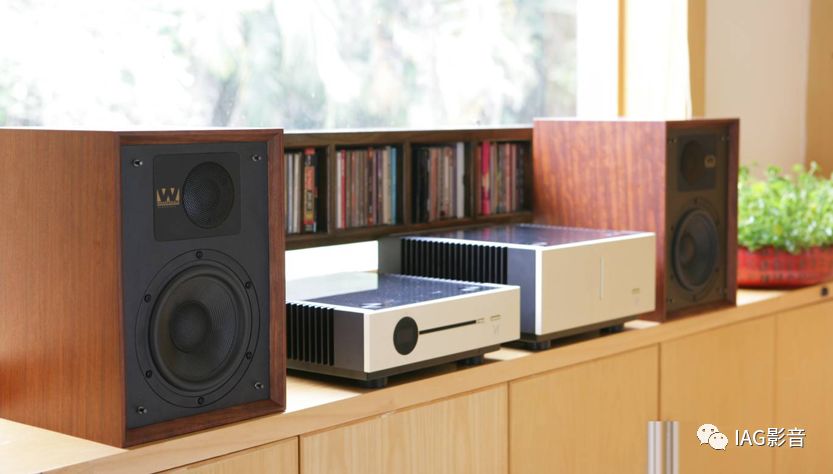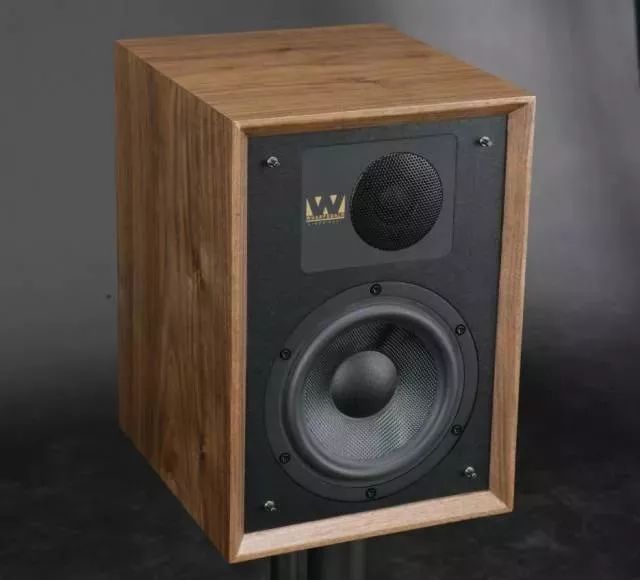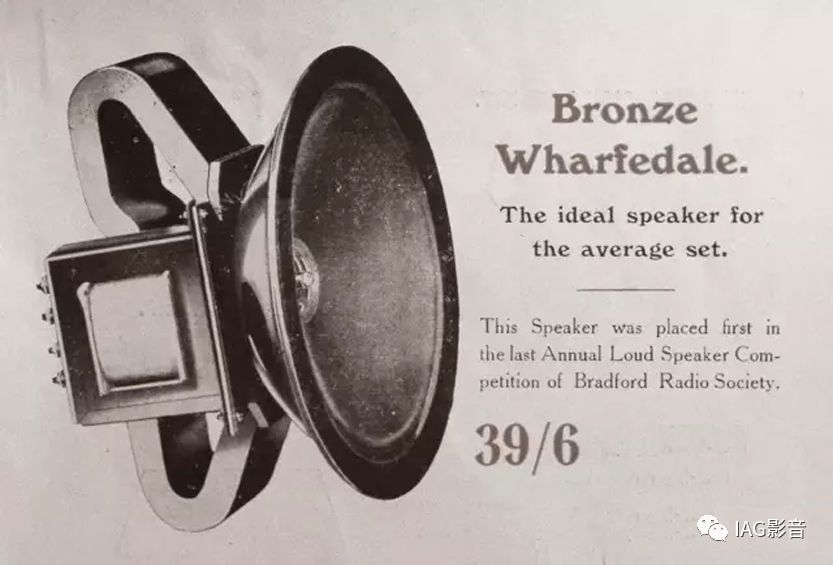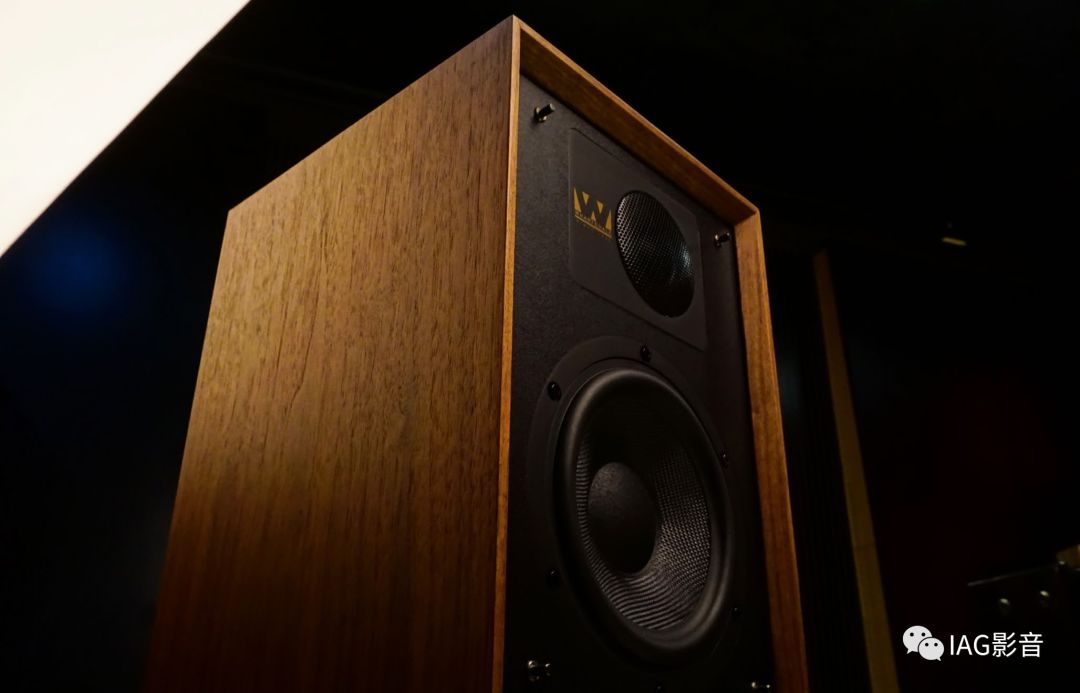

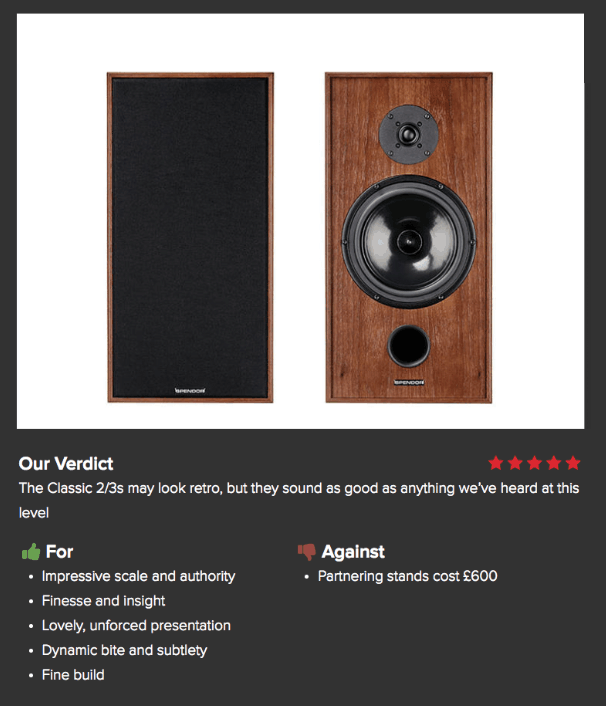
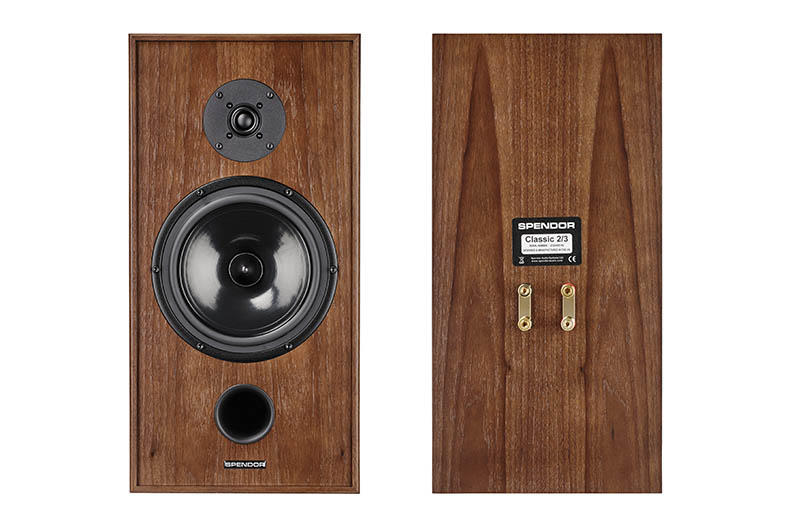
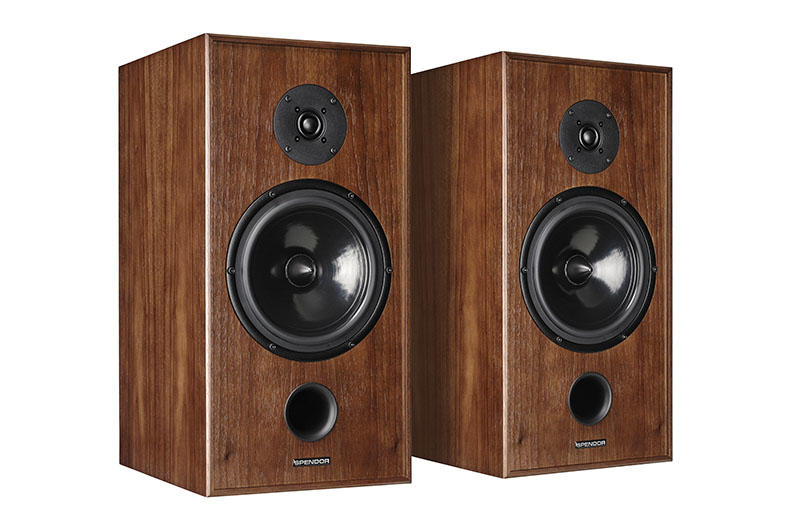
Few speakers on the market can match the heritage of Spendor’s Classic 2/3s. This design can trace a direct line back to the highly regarded SA2s, which were launched in 1980.
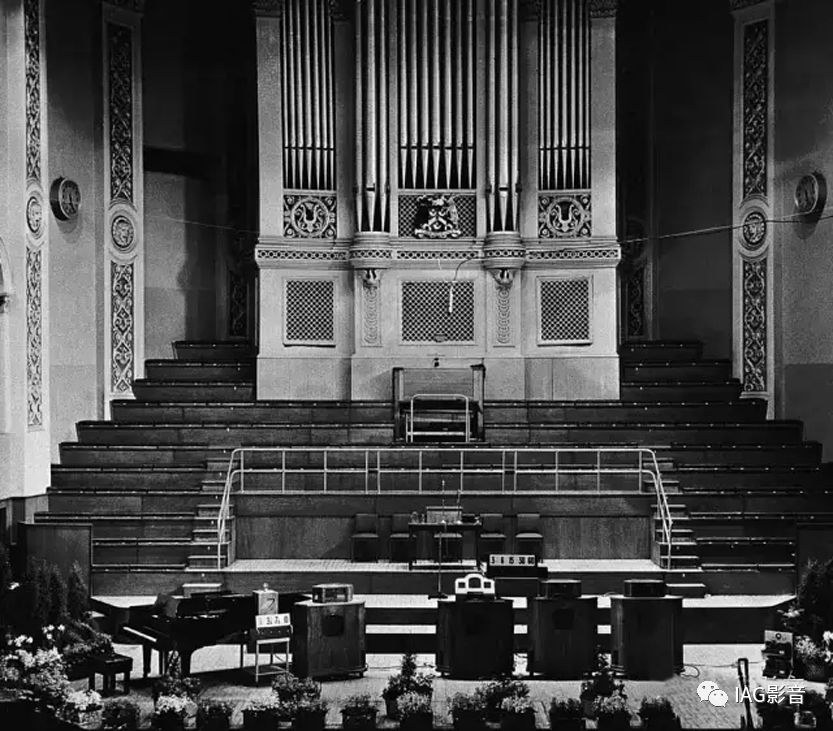
But the engineering ethos behind the product goes back even further, to ideas developed by the BBC engineering department in the 1960s.
Does that put these speakers at a disadvantage compared to high-tech alternatives from the likes of Dynaudio or Bowers & Wilkins? As long as the distinctive styling and relatively large size aren’t an issue, we don’t think so.
Build and compatibility
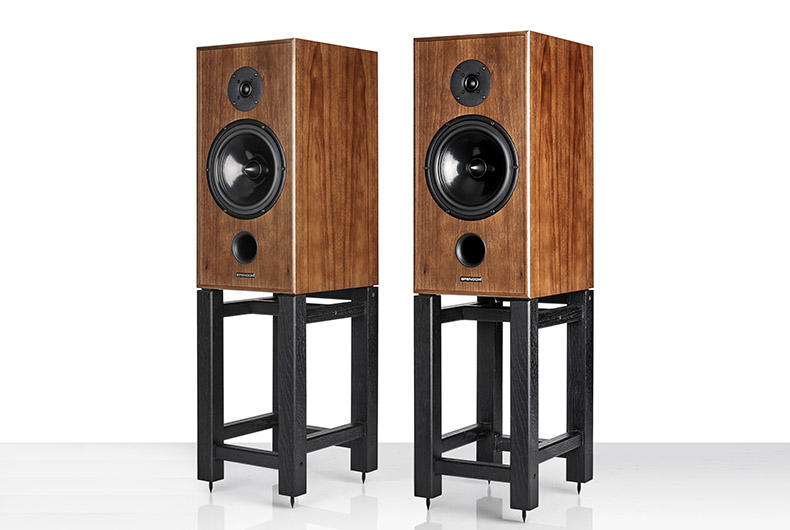
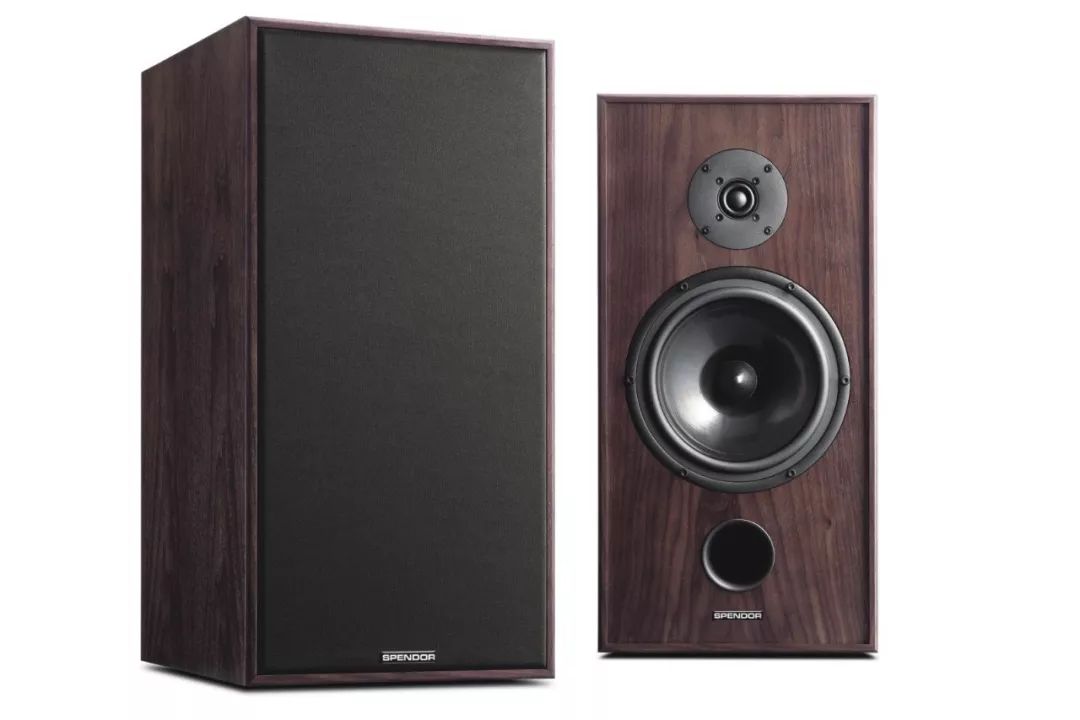
These Spendors are 54cm tall, about a third bigger than most of their standmount competition, and they need to be positioned well clear of walls to sound balanced. They’re likely to be most at home in medium-to-large rooms.
While the dedicated, open-framed wooden stands – the Fortis, made by Hi Fi Racks – cost a hefty £600, we can’t find a preferable alternative as far as performance and aesthetics are concerned.
The BBC-inspired engineering is most obvious in the speaker’s cabinet construction. Most rivals aim to make the enclosure as rigid as possible to give the drive units a solid foundation to work from and minimise any cabinet wall movement. Spendor’s Classic models take a different approach.
No matter how rigid you make the cabinet there will always be some cabinet resonance. This will add distortion to the sound the drive units make.
Making the enclosure more rigid will only make that resonance higher in frequency, crashing the midrange region where our ears are most sensitive.
The BBC approach is to make the cabinet walls thin (so they flex at low frequencies, where our hearing is less discriminating) and to control resonance by carefully, but heavily, damping the cabinet panels. Spendor’s Classic models have always used this method, and the 2/3s are no different – though this latest model features a far more rigid front baffle.
In these speakers, the company has further refined the technique by using new visco-elastic damping pads in strategic places. The pads absorb vibration energy and turn it into heat, but the speakers don’t get noticeably hotter during heavy use.
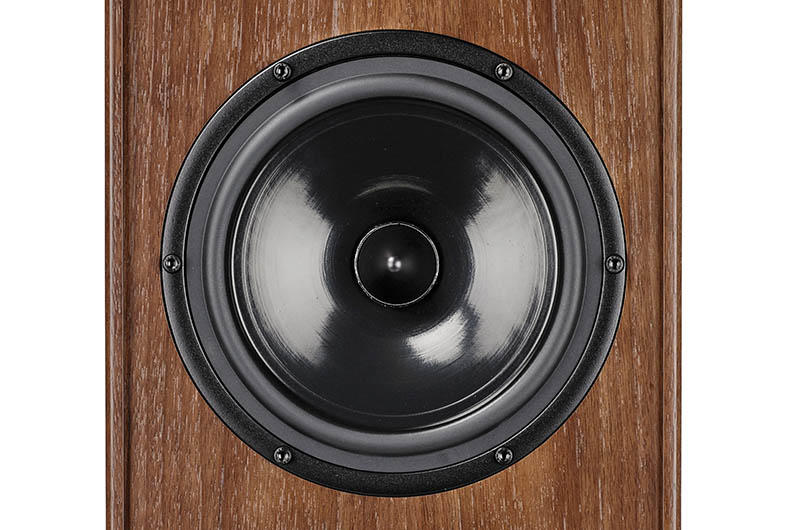
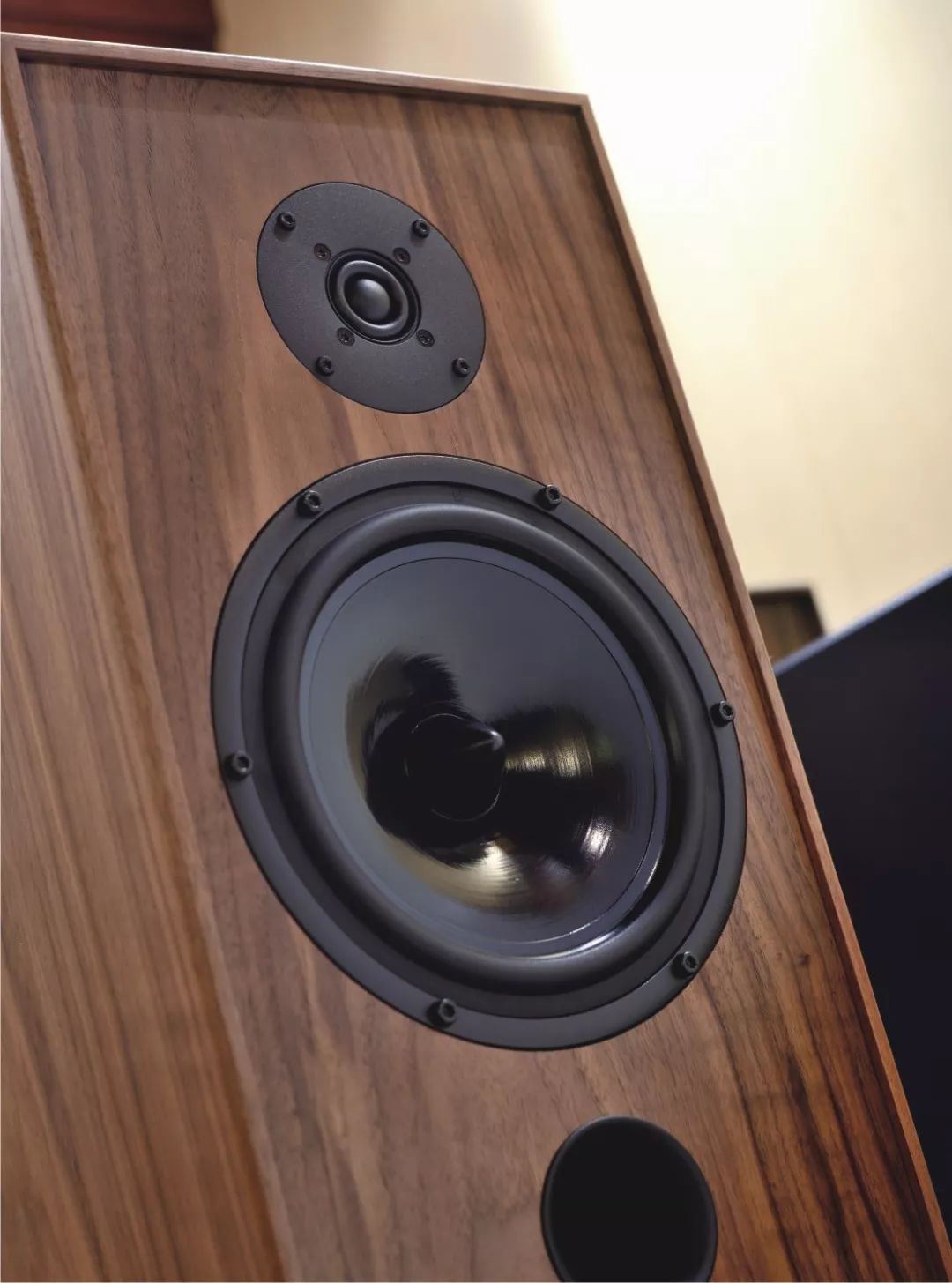
The Classic 2/3s’ mid/bass driver is all-new. It’s an in-house unit, which is something of a rarity for a manufacturer of Spendor’s modest size. Most rival companies buy in their drive units from OEM suppliers such as Scanspeak or SEAS.
The mid/bass unit has a 21cm diameter polyamide fibre reinforced polymer cone and a die-cast magnesium alloy chassis, the latter for its rigidity. Every aspect of the design has been honed, from the cone surround right the way through to the suspension and motor system, all in a bid to optimise performance.
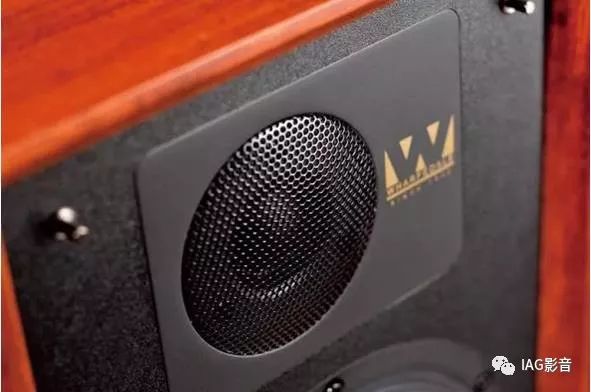
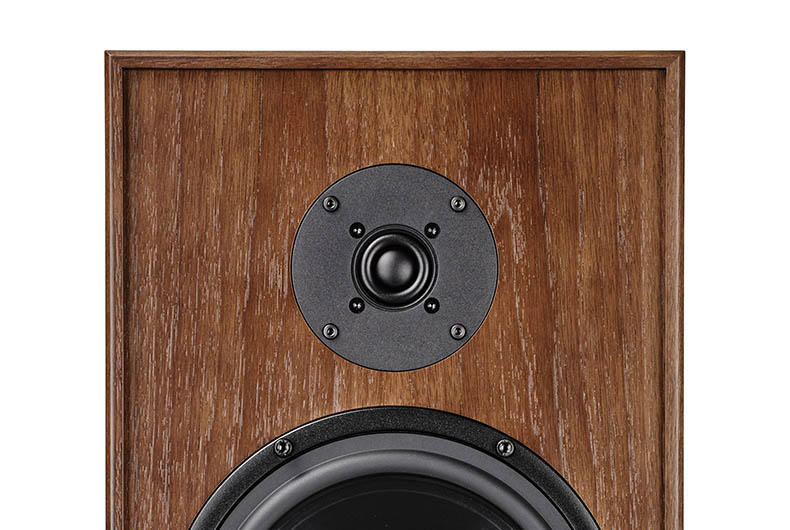
The 22mm surround dome tweeter has been around for a few years, but remains a fine performer. Its unusual profile is designed to deliver extended highs while maintaining wide dispersion characteristics.
The tweeter and mid/bass driver are mated with a high-quality and carefully calibrated crossover network. It’s a relatively simple circuit and is none the worse for that.
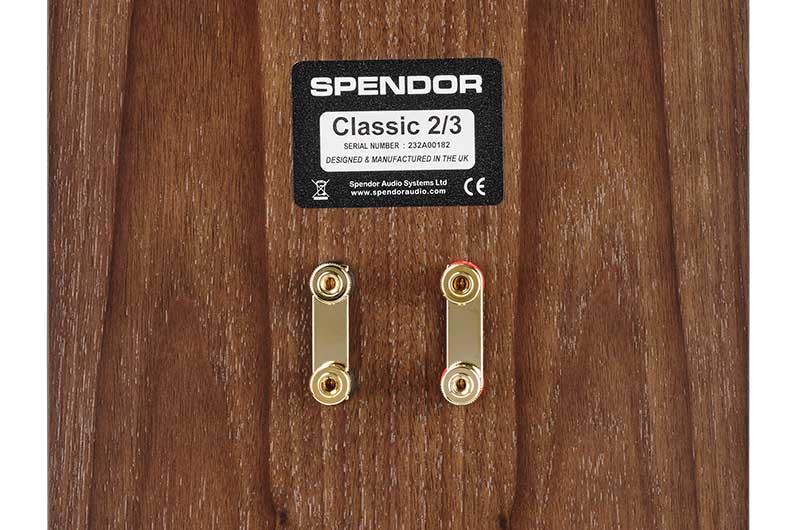
Sensitivity is quoted at 88dB/W/m while nominal impedance is 8ohms (with a minimum of 6.8ohms). These figures suggest the Classic 2/3s are easy speakers to drive for most quality amplifiers.
These are, of course, premium speakers and so positively demand good-quality source components and amplification if you want the best from them.
We use our reference Naim NDS/555 PS music streamer, Clearaudio Innovation Wood turntable and Gamut D3i/D200i pre/power combination with great results. Rega’s Elex-R is pressed into use too, without issue. The Spendors simply reflect the quality of the signal they receive.
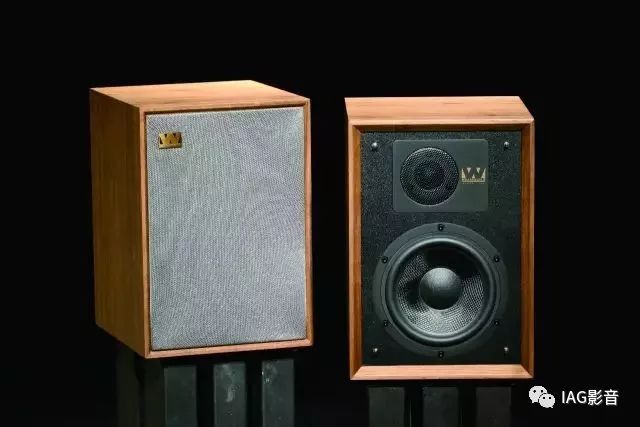
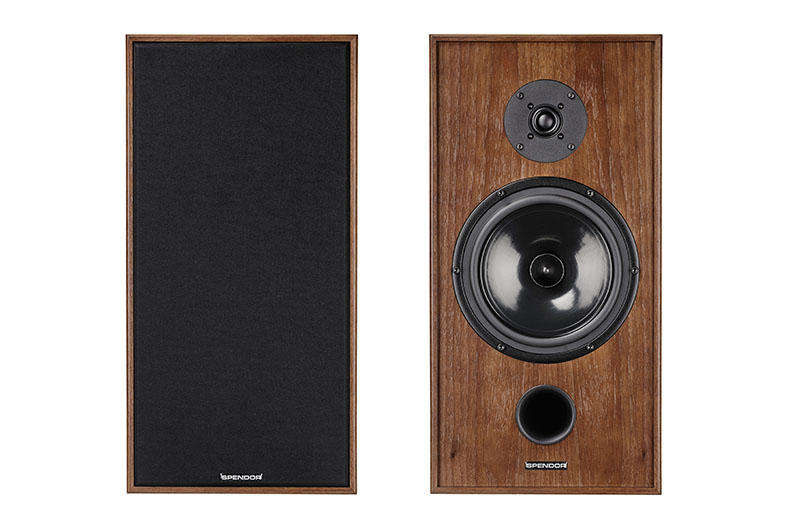
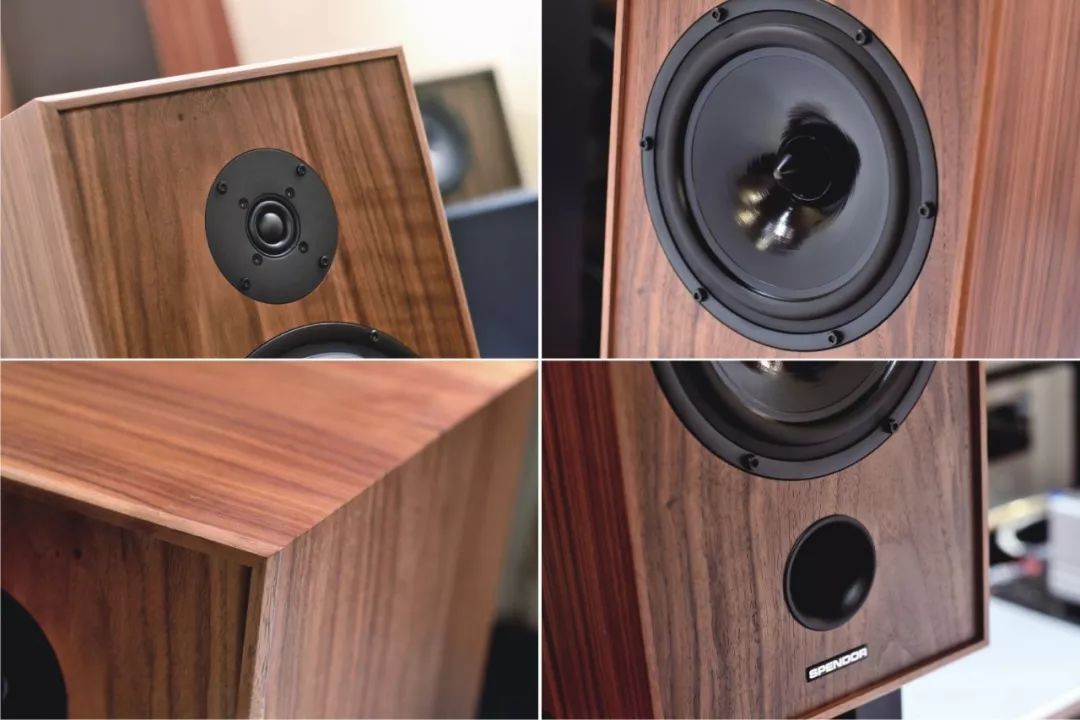
The cabinets look like they’ve been made with care, and the real wood veneer is neatly applied. This latest generation of Spendor’s Classic speakers have grilles that are held on with magnets.
This not only makes it far easier to take the grilles off, but the speakers also look much neater without them. There are two finish options for the enclosures – the dark walnut of our review samples, or cherry.
Sound
The Classic 2/3s have an easy-going sonic nature, one that draws the listener into the music rather than shouting for attention.
These speakers may not win out in a quick dealer comparison, but given time their considerable charms are obvious. Most modern rivals sound smaller, leaner and more aggressive by comparison.
Tonally, the presentation is pretty even. There’s certainly less warmth to the midrange and bass than in previous generations, but there remains a lack of overt aggression.
This characteristic doesn’t go as far as taking the venom out of tracks such as Nirvana’s Come as You Are – where the 2/3s show a surprising amount of attitude – but it still makes poor recordings and below-par electronics a little more palatable.
As we listen to a range of classical music from the gorgeous Clair de Lune by Debussy right the way through to Stravinsky’s often frantic The Rite of Spring, we’re aware of the Spendor’s impressive sonic authority and their ability to deliver dynamics – both subtle and large-scale – with remarkable grace.
There’s a beautiful sense of fluidity to the way these standmounters go from quiet to loud, and it’s coupled with a delicate sense of ease most rivals struggle to approach.
Those large mid/bass drivers really manage to shift plenty of air without sounding like they’re working hard at all. Push harder and the Classic 2/3s retain their composure and refuse to harden.
Of course, there’s lots of bass – how could there not be with such a generous cabinet volume and such big mid/bass units? But it’s delivered with finesse as well as plenty of weight and power.
Compared to previous generations of this model, there’s far more in the way of precision – the Classics revealing the texture of low frequency notes with considerable skill.
There’s plenty of punch too, as we find out with Major Lazer’s Pon de Floor. Hard-hitting music such as this reveals a level of rhythmic momentum that challenges the likes of Dynaudio’s award-winning Special Fortys.
Earlier generations of this Spendor could sound a little sedate but, given the right music, the 2/3s are happy to party. That’s something we weren’t expecting.
It’s not all change though. The 2/3s remain true to their heritage in delivering a midrange that is seamless and inviting. Voices come through with body, weight and just the right degree of natural warmth.
There’s plenty of detail too, with the standmounts picking up subtle nuances and instrumental textures without highlighting the fact unduly.
These are speakers that we could listen to for hours on end without tiring, yet they have enough in the way of excitement and drive to entertain when the music demands.
Verdict
The 2/3s surprised us quite a lot during the review period. They retain the charm and easy-going nature of their highly regarded predecessors, but now have the punch and rhythmic precision to work well with a wider range of music.
We can’t think of a better all-round alternative at this price level.





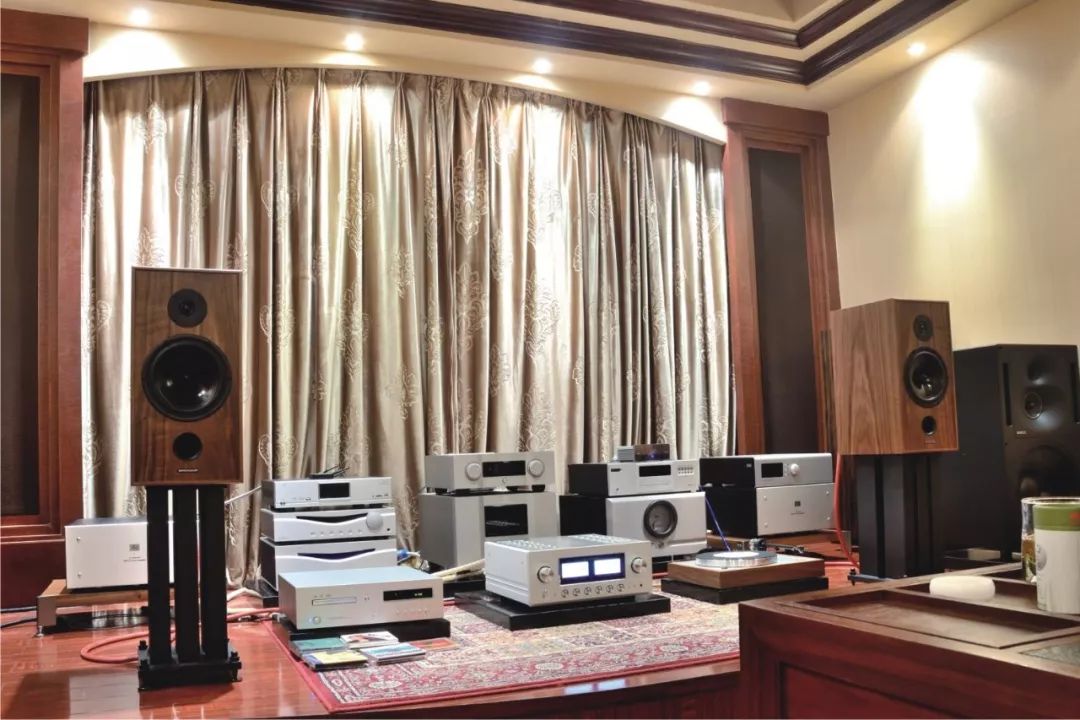


 今次聽到,L-509X 配702 S2 確係一對極之合拍的好拍檔,正合準備在較大的房間,例如二百方呎或以上的空間 中使用。反過來,在百來方呎或以下使用的話,按比例選 用較細規模的喇叭即可,故擁有120瓦(8Ω) 或 220瓦 (4Ω)在手的 L-509X,可謂進可攻、退可守,且聲音正路、 流暢、見音樂牽引力的選擇! 如讀過今回煮酒後仍在 Class A/B 的L-509X或 Class A 的L-590AXII上猶豫不決的話,只要先理性地明白Class A/B 不可能有 Class A 的厚暖聲 ,亦得知道只幾十瓦的 Class A 有一定的配器及使用限制。然後,好應該親身去聽聽、比 較,自己耳朵、自身感覺最誠實,就拋開理性,單憑自己 耳朵加直覺去揀選吧! 至於我嘛?我會選擇較理性,重播不同類型音樂都適 應得來,兼且播得有水準的 L-509X!
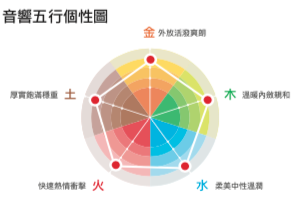 来自端士的頂級 Hi End 音響品牌 Soulution 目前共有7、5、3三個產品線,7 系列的等級最高,3 則是去年慕尼黑才剛發表的入門系列。這三個系列中,目前只有 5與 3系列有綜合擴大機,型號分別是 530 與 330。我在四年前曾經評論過 530,那時它的定價就高達 200萬元,巨大的機箱就像一個小茶几,內中線路基本上就是直接將同系列 520與 501前、後級裝進一個機箱中,設計概念與一般綜擴整合所有線路的作法完全不同,稱得上是毫不妥協的製作。只是如此昂貴的綜擴,恐怕只有金字塔頂端的玩家能夠負擔,所以四年之後,Soulution 又推出了 330綜擴,儘管 66萬元的定價依然昂貴,但卻已經是 Soulution 價位最低、體積也最小的入門綜擴。

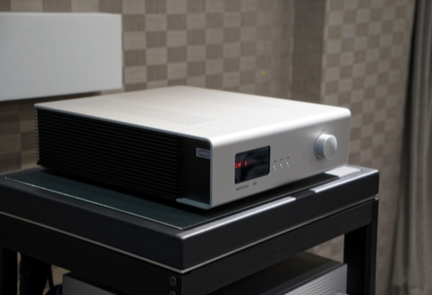
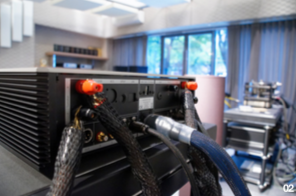
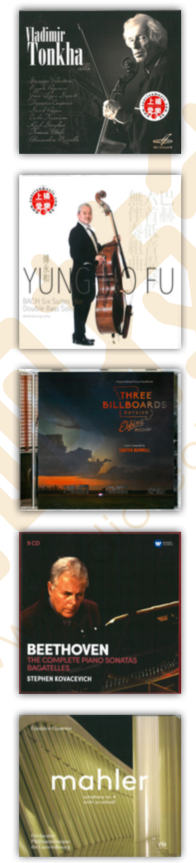 最初聆聽 Soulution 330合併擴音機的時候,第一印象是音質相當通透,無論器樂或人聲都有纖巧、窈窕的體態,而音樂感也是在水準之間而已。後來才發覺這部機剛剛駁好只有大半小時,經堡煉逾多天後再聽,音效確有天淵之別。