
Wharfedale’s commitment to affordable – surround sound cheers Ed SeHey
It wasn’t too long ago that an entry-Level AVR partnered with a sub/sat speaker package was the default starting position for home cinema thrills. As such, any self-respecting speaker brand had one in its inventory. Yet times change — soundbars have left the compact home cinema option looking a bit Less compact.
Not everybody has abandoned the old ways, though. Wharfedale made us very happy with its DX-1SE array [HCC #267 — and our 2016/2017 Best Compact Speaker System award winner], which was very much in the classic sub/sat system mould, and it has now clearly felt that the design had more to offer. so has released the DX-2.
On the face of it, it doesn’t Look like too much has changed. You still get five tittle speakers and a subwoofer. But Wharfedale says that a lot of what you see is different — including cabinet designs, drivers that have been ‘fine-tuned’, and boosted subwoofer power.
So, at £450, is this is a tempting proposition?
Compact convention
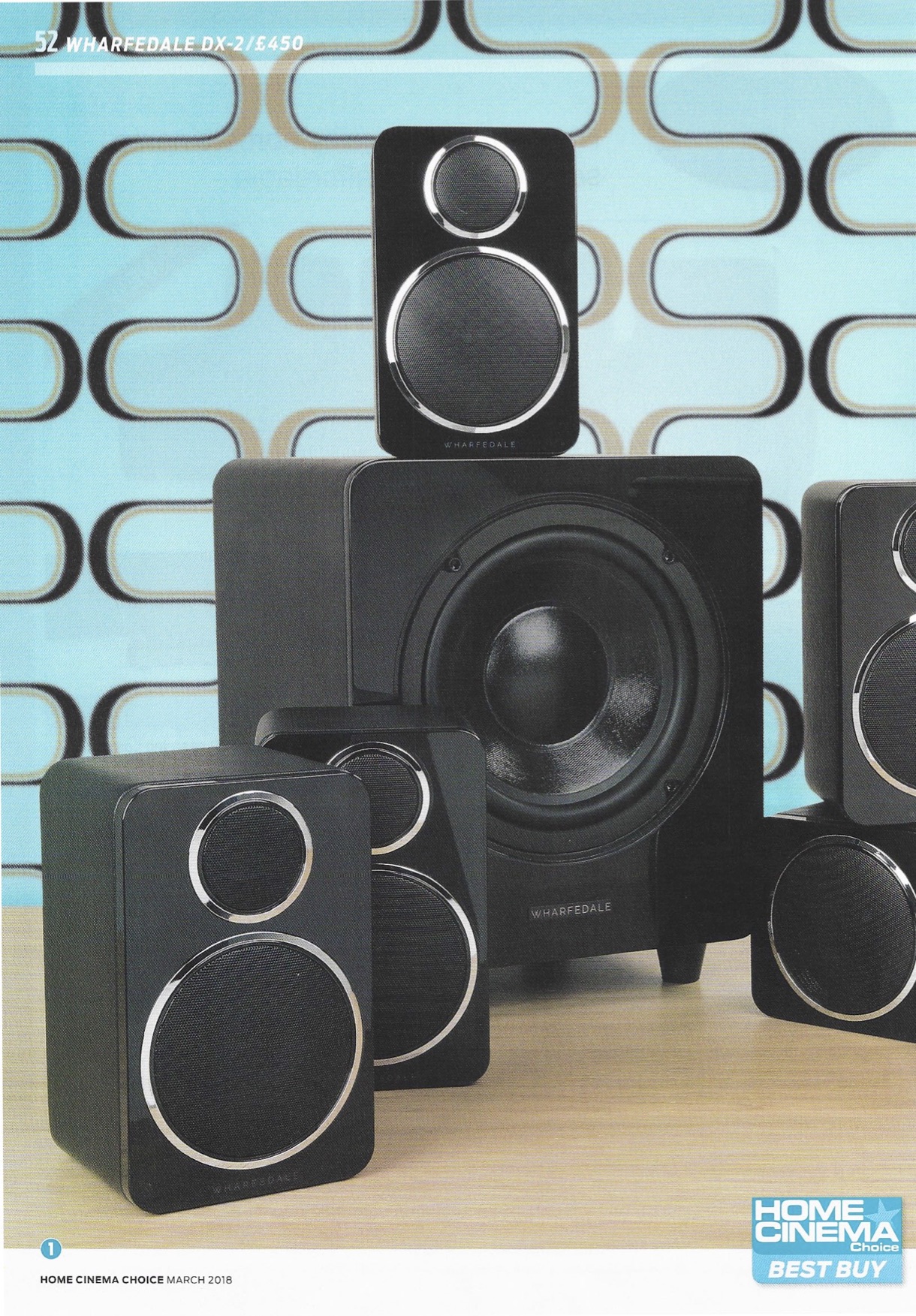
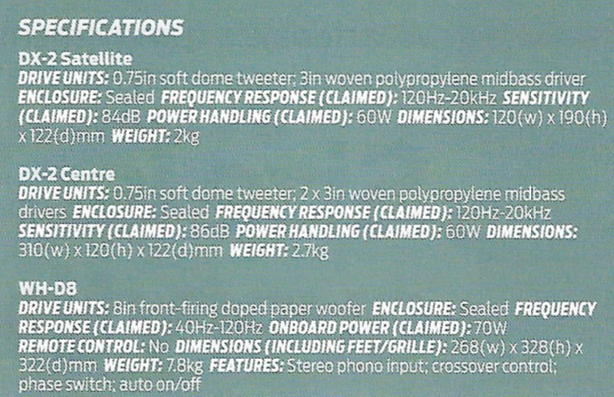
In terms of speaker design, the DX-2 doesn’t push any boundaries. It features two pairs of compact satellites that function as left and right channels, front and rear. Each is a two-way design, with a 0.75in soft dome tweeter and 3in woven polypropylene midbass driver, and looks like a shrunken bookshelf speaker. These satellites are joined by a dedicated centre, which adds a second 3in midbass driver to the spec rather than simply placing a satellite on its side.
The system is completed by the WH-D8 active subwoofer. In a world of multi-driver monsters with output power in the kilowatts, a sub with a single 8in driver and 70W (150W peak) amplifier might not stir the blood, but this is still rather more subwoofer than some soundbar rivals possess. Most importantly, it feels like a properly engineered device. The seated cabinet is mounted an feet that are pliant enough to isolate it from the outside world, and ensure it doesn’t make a bid for freedom if you crank the levels up. You also get a crossover control, a phase switch and the ability to bypass the auto on/off function — although, it has to be said, this works pretty well.
The WH-D8 is going to be pretty busy in a system of this nature because the output of the satellites doesn’t drop especially Low. Wharfedale quotes a lower response of 120Hz (+/- 3cI8) and 100Hz at a more severe roll-off (+/- 6dB). As this means the sub’s output is likely to be at least partially directional, I found it does its best work on axis with the front speakers.
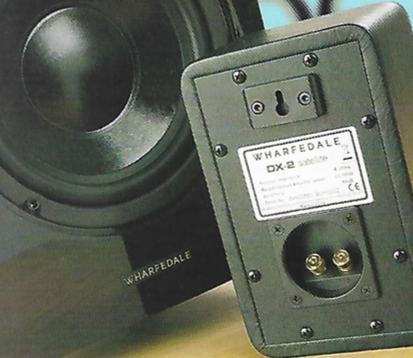
Crucially, the DX-2 package doesn’t feel cheap. The finish of the satellites is fair, with a gloss-black front panel brightened up with chrome trim rings. I’m Less sold on the leatherette wrap on the cabinets, but it’s largely unobtrusive and the speakers themselves seem solid and well made.
At the moment, the DX-2 is available in black, as pictured, but a white finish is due to surface too. The speakers can be wall-mounted via keyhole fixings, and they benefit from decently rugged speaker terminals. There are no spring-clip holes here.
Overall, I’d argue the Wharfedale system is built to a standard that is entirely competitive with soundbars in the £600-£700 range. This is important because the benefits of separate receivers and speakers are worth repeating. Not only can they offer authentic surround sound, they’re likely to offer better connectivity, improved stereo performance and the ability to be upgraded independently of one another. Wharfedale has an eye on this already, and has announced that an extra pair of DX-2 satellites will be available for £100 to enable expansion to 7.1.
Against this, you do have the greater complexity and cabling to consider, but installing a setup of this ilk is not exactly arduous.
Turning up the Wick
No less importantly, the DX-2 doesn’t sound cheap either. With the bruising core TrueHD mix of John Wick: Chapter 2 (Btu-ray), the Wharfedales cover all the basics correctly. With the woofer at the front of the room, I preferred using a 100Hz crossover to a 120Hz setting. I didn’t perceive there to be any `hole’ in the system’s bass response; the DX-2 instead sounded cohesive and controlled.
The movie’s opening chase through the streets of New York is handled well. The engine sounds of the slower cars that Wick’s Chevelle overtakes were smoothly passed from speaker to speaker.
The enclosures are, in home cinema terms, fairly small, yet the soundstage delivered never sounds small and creates a convincingly room-filling experience. Sure, there are limits. The sequence where Wick falls back through the catacombs can reach the maximum level of what the satellites are capable of handling, meaning they sound more congested, but the volume level that this occurs at is fairly substantial.
It is also worth noting that this limit is much more on the part of the satellites than the subwoofer. The WH-D8 bass bin does a superb job all the way from its handover to the satellites, down to the point where energy is felt rather than heard. It sounds larger and more potent than you would expect, and balances this with a likeable sense of agility and speed.
This all means that the DX-2 is well equipped to tackle fast-paced but deft movie moments. The sequence where Joy and Sadness are ejected from the headquarters in Pixar’s Inside Out (Blu-ray) convinces, with the speakers nailing the movement of the memory balls and general sense of disarray while keeping the score and dialogue distinct from the wider effects.
The use of a dedicated centre speaker really pays dividends in situations like this. Sharing drivers across the front soundstage keeps it uniform tonally, resulting in a robust, believable sound with smooth transitions, and dialogue that’s never lost in the mix even when things get hectic.
The system maintains its clear and cohesive presentation with things like Sky’s deranged (but weirdly watchable) Britannia; is a satisfying listen late at night with the volume dropped low; and turns in a decent presentation with music too. That well-judged handover between satellites and woofer ensures an impressively fulsome delivery of Kraftwerk’s Aero Dyriamik (FLAC, 3-0 The Catalogue), with its bassline rolling along nicely with no sense of overhang or delay, nor any obvious feeling of there being three speakers rather than two. With the more considered and relaxed Losing to You by Stars, the DX-2 delivers the vocal centre of the song with surprising scale and genuine realism, given the dinky nature of the satellites. As with film use, you can push the speakers to run out of headroom, but the sub remains as unburstable as ever.
This 2.1 performance naturally isn’t as refined or largescale as that of a pair of floorstanding speakers, but it is achieved while taking up an awful lot less space in the room. And it’s more than good enough to balance some stereo listening along with multichannel.
A slice of home cinema
Again, Wharfedale has got the balance between price and performance bang an. The sonic chops of this sub-E.500 package are considerable, while styling is good and setup fuss-free. There are speaker wires to run and an AVR to budget for, but the DX-2 is not so much bigger or more cumbersome than a high-end saundbar, while offering much more flexibility. This gives buyers a real slice of home cinema joy at a very sensible price point. Like its predecessor, it’s a bit of a bargain.

From “HOME CINEMA CHOICE MARCH 2018”
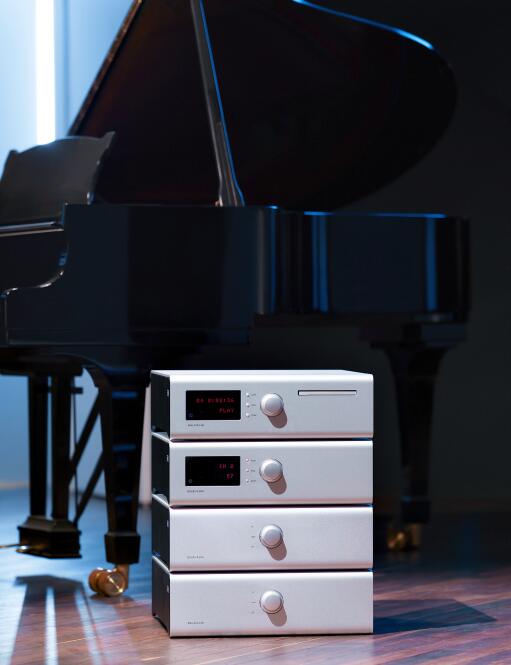
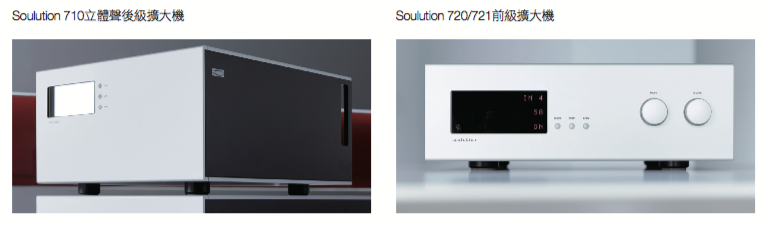
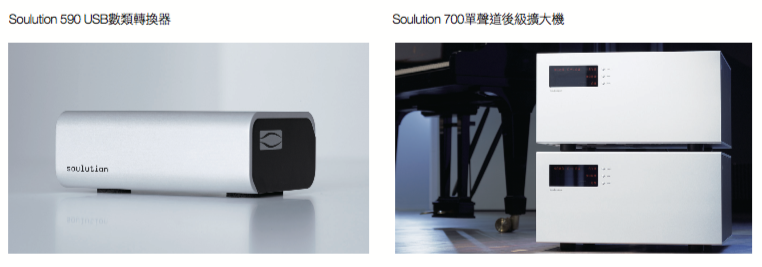
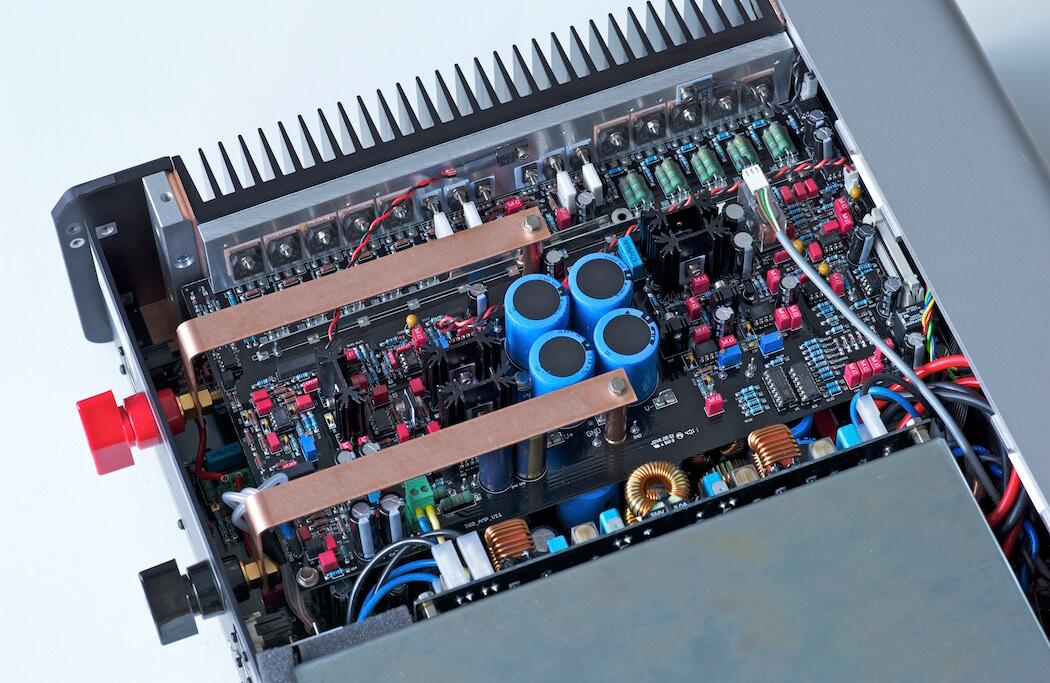
 承襲 7系列,售價相對便宜 簡單講過 Soulution 的來龍去脈, 準備進入本文。Soulution 的高價系列是 7系列,相對平價系列則是 5系列,5系列包括 520前級、501單聲道 後級、530綜合擴大機、540 Digital Player,以及 590 USB Converter,這次要寫的是 520前級與 501後級,先說 520前級。它的外觀跟我寫過的 540 CD唱盤完全一樣,只是 CD 唱盤多了
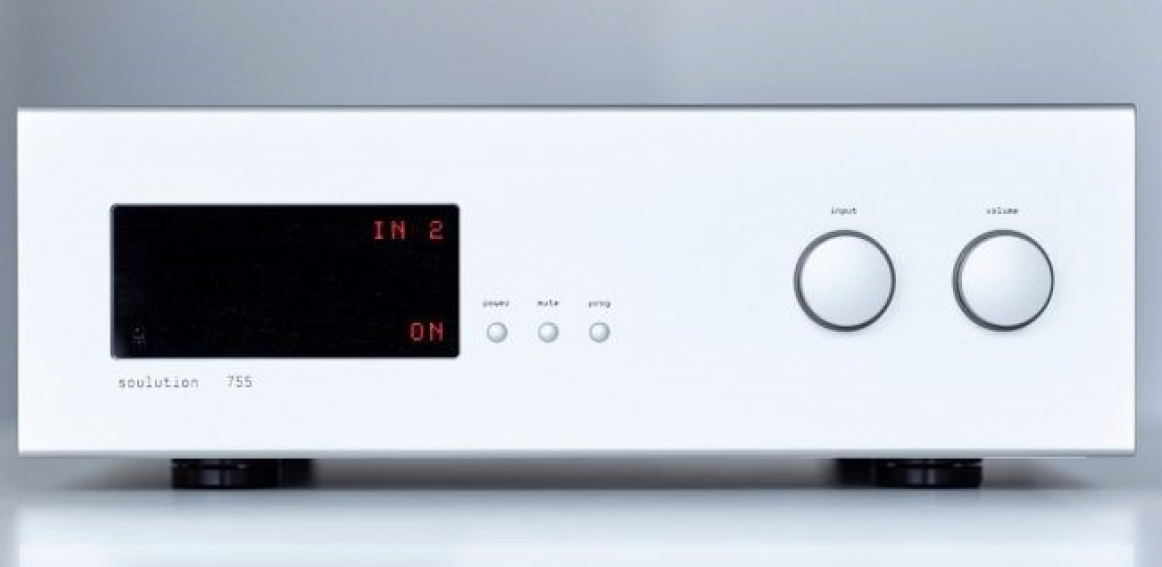
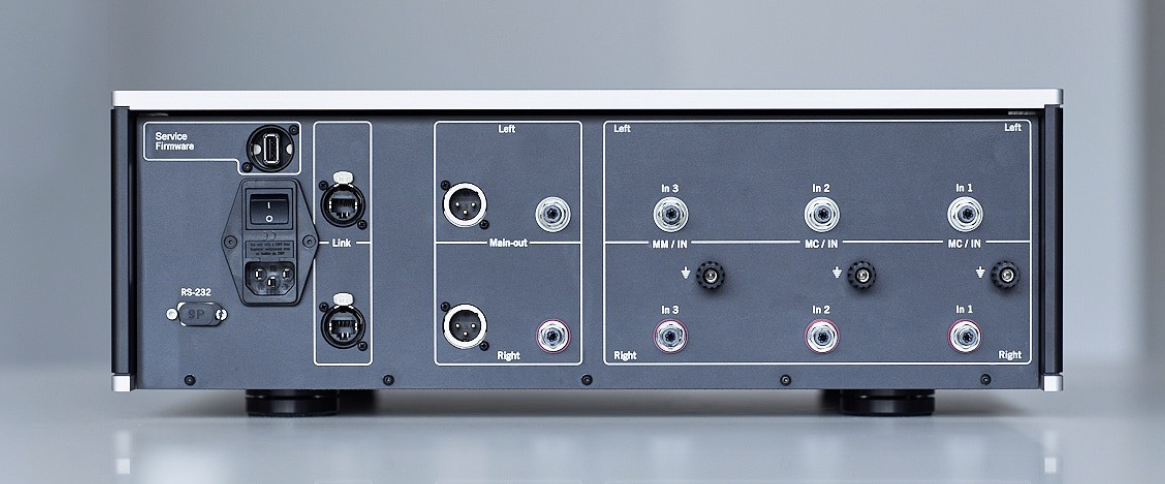
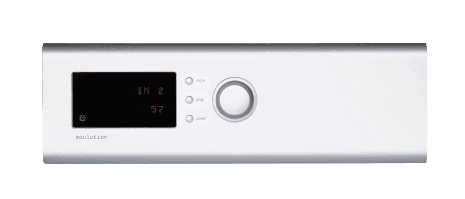 520 前級面板雖然簡單,但那個旋鈕卻同時擁有數種功能。在正常狀態 下可以控制音量大小。再輕按一下會讓音量控制失效,按久一點再放開可以進入輸入端切換選擇,選取您要的 輸入訊源。如果要進入選單設定要怎麼做? 按住 Prog 鈕不放至少10 秒鐘, 就會進入選單模式,接著旋轉大旋鈕來選擇想要的項目,選好之後再按一下大旋鈕表示進入,接著可以轉動大 旋鈕來改變數值,最後再按一下大旋鈕來表示 OK,這樣就設定完畢了。其實這些簡單的設定沒有太大的需要, 出廠時都已經設定好常用狀態,就算 您不去動他都可以正常使用。
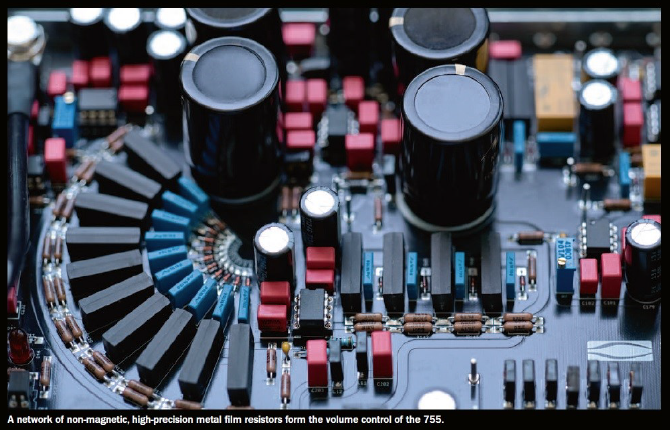
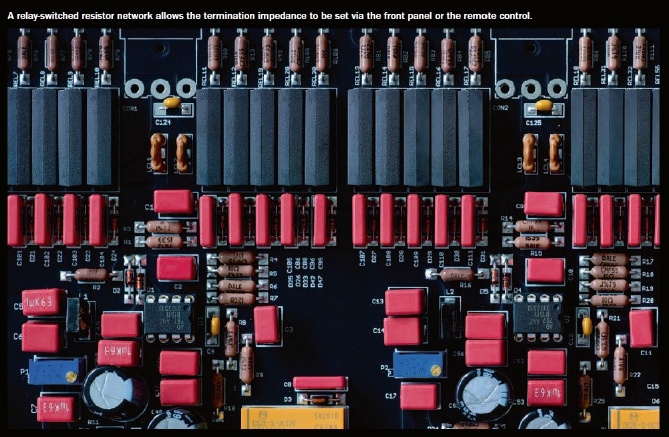
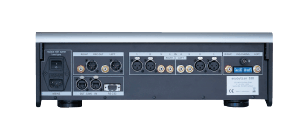 在輸入端方面,520 跟其他前級一 樣,採用繼電器做切換,避免各輸入端相互干擾。而在音量控制方面,520 採用雙層設計,第一層為精密金屬皮膜電阻跟繼電器所組成的 R2R 級進式音控系統。為了怕改變音量時失誤,突然 產生的強烈音量損及後級與喇叭,另外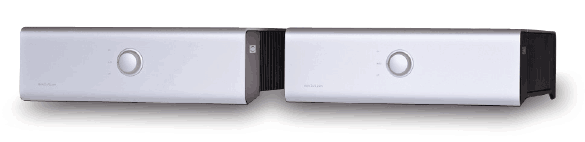
 到底這套前後級的音質是怎麼迷人法? 在此我先不用什麼發燒片,就拿單聲道錄音為例。我用卡拉絲那張 「Puccini Arias & Duets」(EMI 7243 5 62795 20),這張CD 的原始錄音時 間是1954、1955與1958年,我要聽的不是錄音的音效,而是卡拉絲嗓音 音質。一句話: 520、501 把卡拉絲嗓音的美質唱出來了,那是如綢緞般滑 潤的嗓音,沒有尖銳,沒有乾澀,不 會削瘦,不會緊繃,反而是豐潤、有 水分、飽滿與寬鬆的嗓音,這樣的嗓 音說明了這套 Soulution 前、後級音質之美。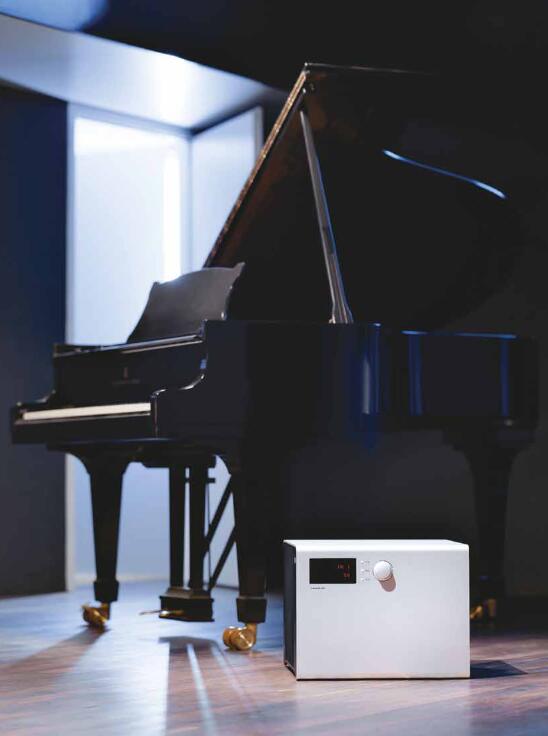
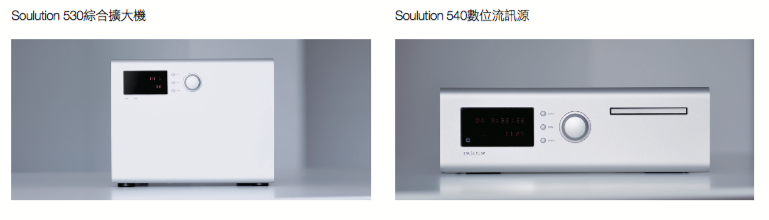
 從這個角度來看 Soulution,我們就比較可以理解這家公司的想法了。他們並不是不切實際,而是根本不用擔心實際上賺不賺錢。追求極致表現,才是 Cyrill 創立 Soulution 的目標,在音響界恐怕也只有 Soulution 才會不管市場接受度到底如何,也要不計成本做出像530這樣沒有任何妥協的綜合擴大機。一般人或許覺得 530 是瘋狂之作,但是對 Cyrill 來說,如果他們做出來的只是跟大家差不多的擴大機,那才是沒有意義的事。要做,就要做真正與眾不同、無法超越的產品,從裡到外都要將市面上其他綜合擴大機遠遠拋在腦後,這就是 530 存在的價值。
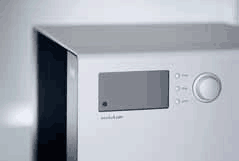 從線路設計分析, 我們也可看出 Soulution 與眾不同、勇於挑戰傳統的獨到見解。首先,許多音響迷對交換式電源一直抱有成見,認為這是廉價的作法,噪訊太高,而且聲音不夠好。不過530卻大膽採用了交換式電源線路,這麼做絕非為了省錢,因為 530 所使用的交換式電源,其實就是新一代 701/711 旗艦後級所配備的獨家技術,等級非但沒有降低,反而與旗艦同步進化。
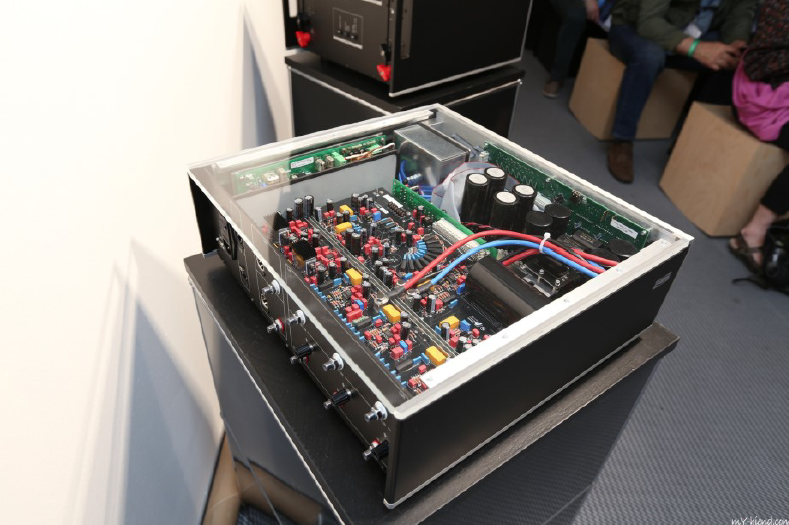
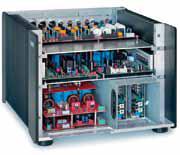 令人好奇的是,一般採用交換式電源的擴大機,體積通常可以大幅縮小,但是 530 的機箱為何還是如此巨大呢?深入研究之後,我發現原因有三:一是 530 一共配備了四組 600瓦的交換式電源模組,總容量高達2,400瓦。二是交換式電源雖然不需要傳統線性電源中體積龐大的變壓器,但是 Soulution 的設計卻配備了容量驚人的電容,用以應付瞬間大電流輸出。三是 530 一共設置了九組獨立供電,六組高速穩壓線路,分別供應前級、後級、數位邏輯控制及其他線路使用,徹底避免相互干擾,所以體積實在無法縮小。
 再聽Amadeus弦樂四重奏在1974年錄製的莫札特嬉遊曲KV136(DG 423 300-2),琴音纖細鮮活卻毫不緊繃刺耳,演奏暢快奔放卻毫不急躁。聽史特勞斯的小提琴奏鳴曲(Chandos CHAN8417),小提琴抒情慢板以往只讓我覺得質純溫潤,但是530又再一次提煉出了鮮度極高、活生感強烈的琴音。聽Denes Zsigmondy演奏的帕格尼尼小提琴奏鳴曲(Tuxedo TUXCD1082),琴音能量雖然強勁,但是卻依然有著醇美的質感。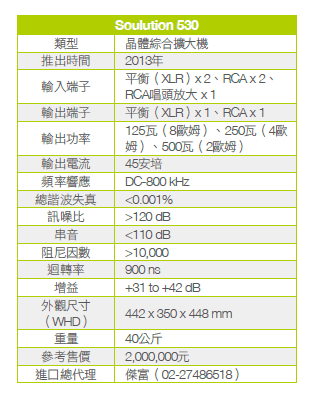


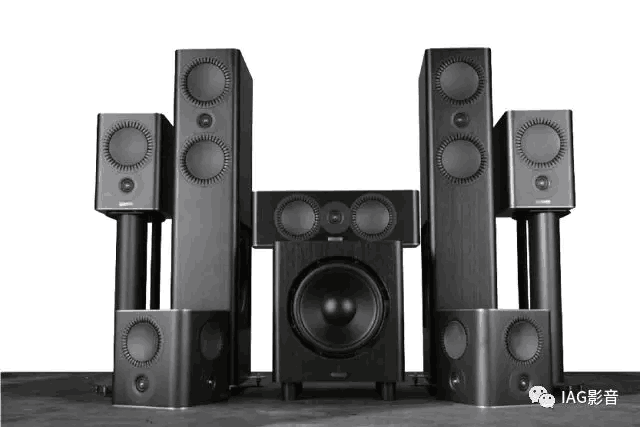
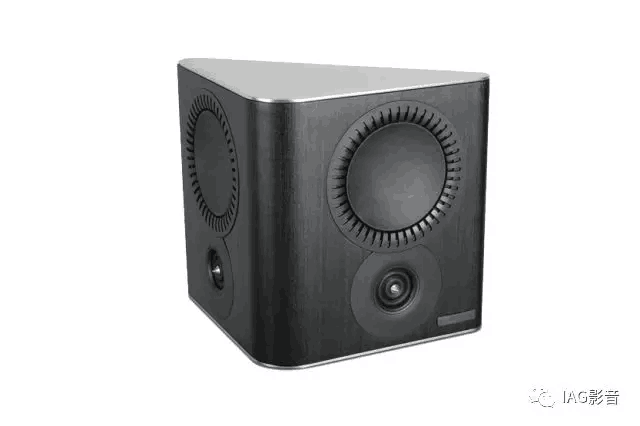
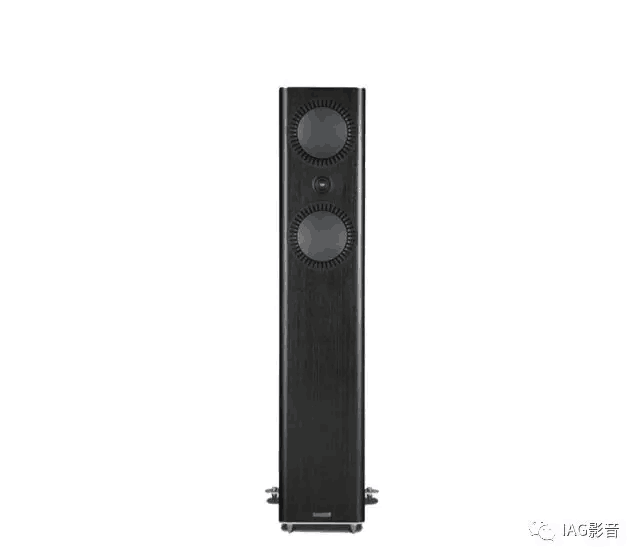
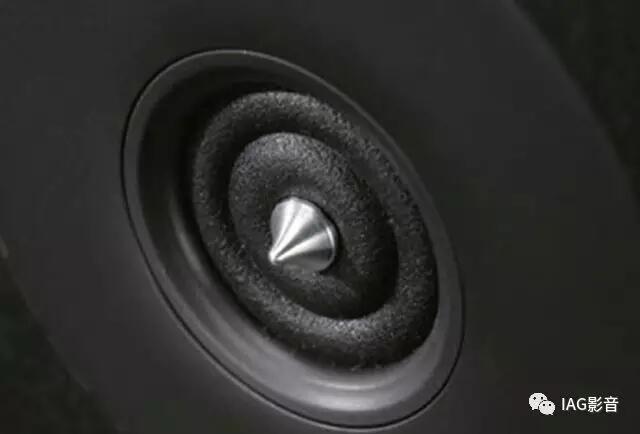
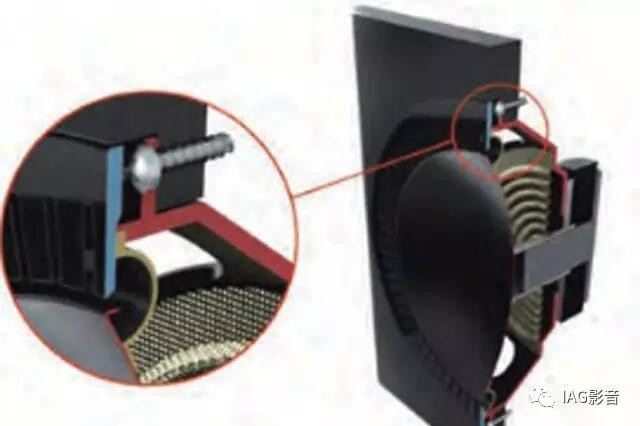



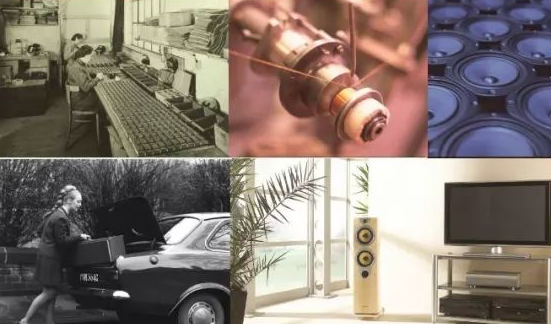
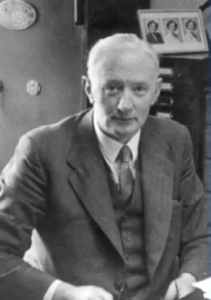 Gilbert Briggs(吉貝爾恃布裡格斯)是英國 Wharfedale 喇叭的創始人兼任音像協會主持人。 他獻身於音響事業是出自於對音樂的熱愛,為了尋找一台聲音滿意的鋼琴,不惜花去多年的儲蓄足足換了40 台,才找到了至愛的 Steinway Grand 鋼琴。 他把自己對音樂的摯轟和執著化成了畢生的事業。他早期制造聲音重播系統的經瞼和理論相當成功從此開始創辦了一家舉世矚目的經典音響制適企業並享譽世界超越80 多年的尖端品牌廠商。
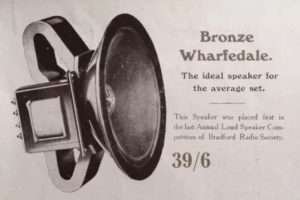 1932 年 Gilbert Brggs 把家中地窖改裝成一個精簡的音響開發操作間。在這個地下室裡 Gilbert Brggs 成功地開發了世界上第一隻電磁圈推動的單體揚聲器。而位於 Wharfe 河邊的小鎮也因此成了 Wharfedale 音響制造業的發源地。 時至今天 GIbert-Briggs 的開創先驅性成就仍受到Hi-Fl界的無比贊宮與尊崇致敬。
 1933 年 Gilbert 在 Bradford 附板開辦了一家小工廠進行推動揚聲器單元的手工生產 。此消息很快傳遍整個英國地區而當時的揚聲器單元的訂貨頓時大增。 起初他們隻是家庭式生產作業,Gilbert 的太太也在主管生產部門工作,一切單元的音圈繞制焊接也都要親力親為,不眠不休的進行,這樣才可以勉強 應付當時市場對揚聲器單元的激烈需求。
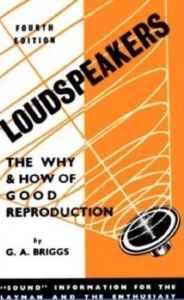 Gllbert-Briggs 在 1948 年創作的經典著作 LOUDSPEAKERS 是世界一第 一本講解揚聲器的設計和制作的業界天書。 Gilbert-Briggs 畢生為英國音響行業培養出許多音響設計技術專才,在英國有不少 Hi-Fi 音響廠家的設計師曾經在 Gllbert-Briggs 門下 得以揚聲器制作技術真傳。Gllbert-Briggs 著作的 Loudspeakers – The Why & How of Good Reproduction 揚聲器制作天書是眾多的國際 Hi-Fi 揚聲器廠家(包括美國、德、法、日)設計揚聲器的基礎上首要學習的必讀 參考書籍。 如今 Gilbert-Briggs 所著作的書籍已經成為世界上具中之一的珍貴科研學術遺產。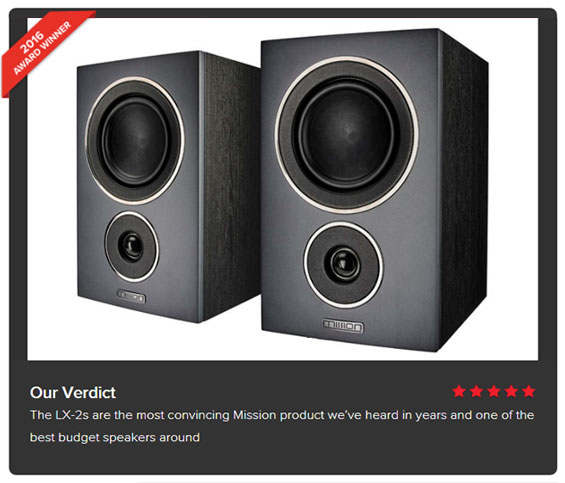
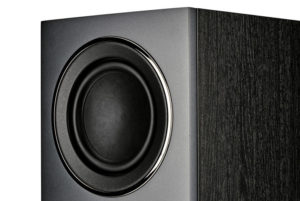 It seems that the high-ups at IAG had the same thought and decided the brand needed a dedicated design team. They’ve hired people that had worked with Mission in the past in the hope that some of the old magic could be resurrected.
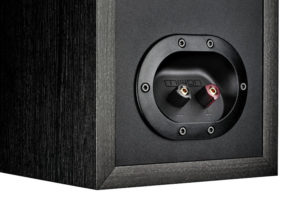 The single-wired route makes sense to us, particularly at budget price levels. It allows funds to be concentrated on a single good quality run of speaker cable rather than splitting it between two cheaper alternatives.
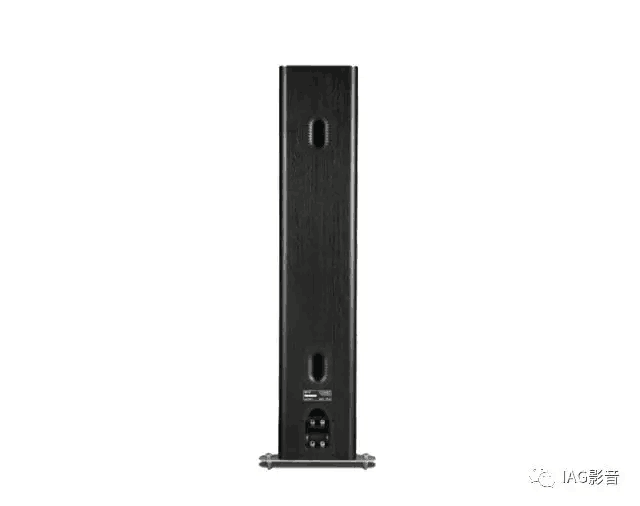
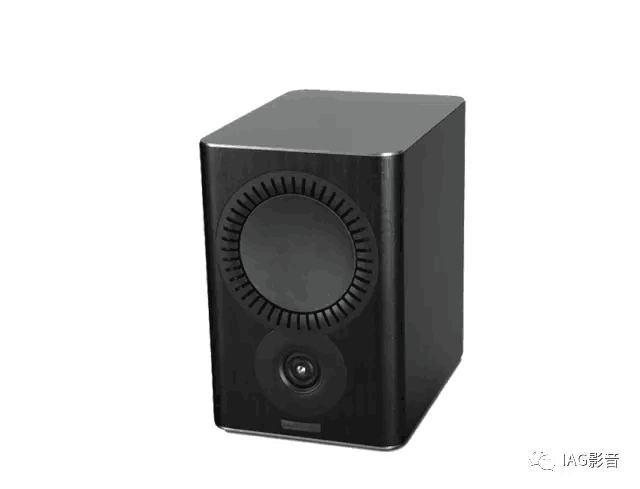
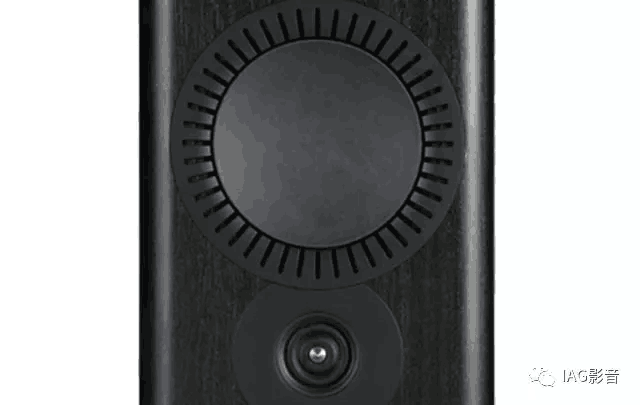
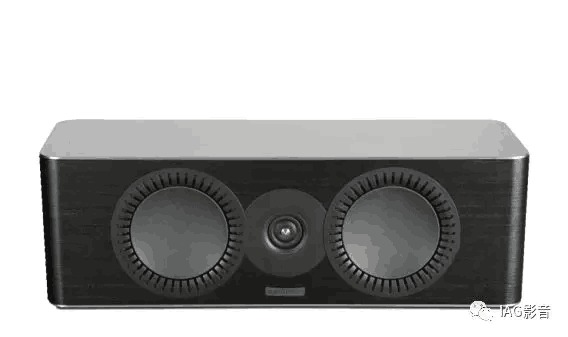
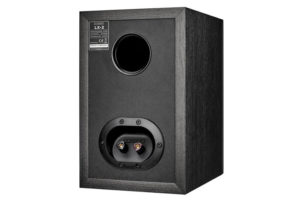 The cabinet is equally carefully designed. Budget constraints mean that there’s no place for high tech materials or extravagant engineering solutions to controlling cabinet resonances, so the designers have gone back to basics (while using cutting-edge measurement and design equipment) to come up with a wooden box that provides a solid platform for the drive units to work from.
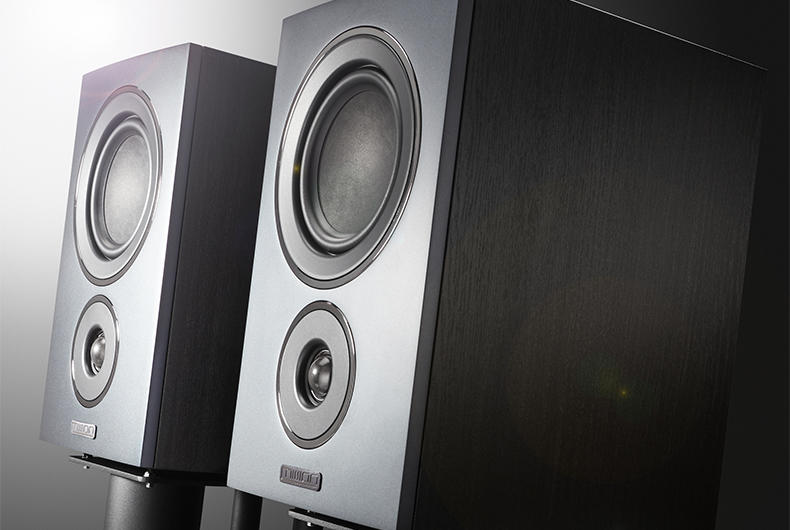 Positioning is easy, just as it should be for speakers that could find themselves as likely to be stuffed in the middle of a crowded bookshelf as they could on top of a pair of dedicated stands.
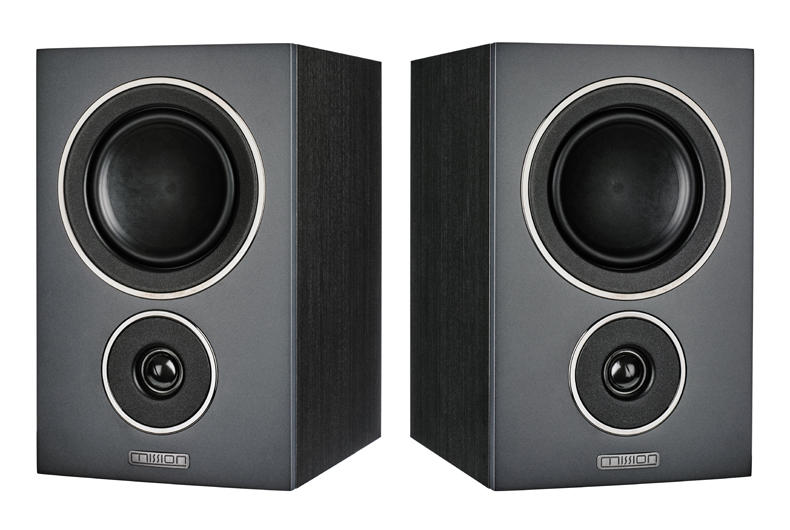 These get right to the heart of the music, as if the Missions have a direct line to the studio and know exactly what the musicians wanted you to feel. That’s a rare quality regardless of price.
 At no point do these speakers sound like they’ve taken on more than they can handle.
 劉:請你簡單說明Soulution的歷史沿革。