

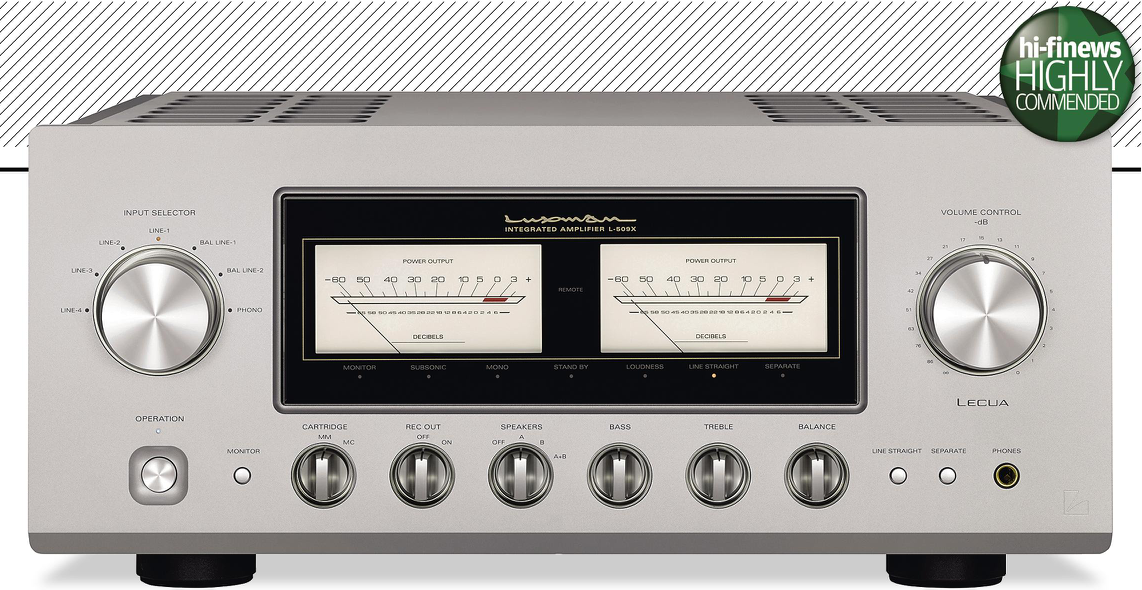
The style may be ‘retro’, but this powerful integrated amp from a Far East legend is no exercise in nostalgia: it lacks fashionable digital inputs, but has serious sonic appeal Review: Andrew Everard Lab: Paul Miller
OK, so it may help explain the whole ‘vinyl revival’ thing, from portable record players with greater tracking weight than a Caterpillar bulldozer to supermarket own-brand LPs, but looking to the past will only get you so far. Forget all that longer summers, colder winters and ‘jumpers for goalposts’ stuff: even nostalgia’s not what it used to be. Products must stand on their own merits in today’s competitive market.
RESOLUTELY ANALOGUE
You see, there’s not exactly a shortage of big-money integrated amplifiers out there, and launching the £8500 L-509X into that arena sees Luxman facing rivalry not only from other manufacturers, but also from within. After all, the company has a handful of integrateds on its books, all of which look somewhat similar at first glance, distinguished only by the colour of their meter illumination and price. The designation echoes the original L-509fSE, which first saw the light of day back in 2002 as an attempt to combine the virtues of preamp and power amps in a single chassis, while slightly confusingly there’s already the similarly-numbered L-590AXII [HFN Apr ’16].
Now we have the L-509X, and while the basis is the same, this is a somewhat different animal, with a claimed output of 120W/8ohm, rising to 240W/4ohm – not that the L-590AXII proved exactly starved of power when PM lab-tested that one, delivering 95W/8ohm and 165W/4ohm. I have to confess to being something of an adherent to the maxim that a bit of extra grunt never goes amiss when it comes to the ease with which music is delivered, and so it proves with this new Luxman.
A bit of extra grunt may also be what you emit when called upon to unbox and set up the L-509X for it weighs a not insubstantial 29.3kg. At least the effort gives you a reassuring sense of where all your money’s gone, an impression that’s reinforced when you have the amplifier in place, connected up and switched on.
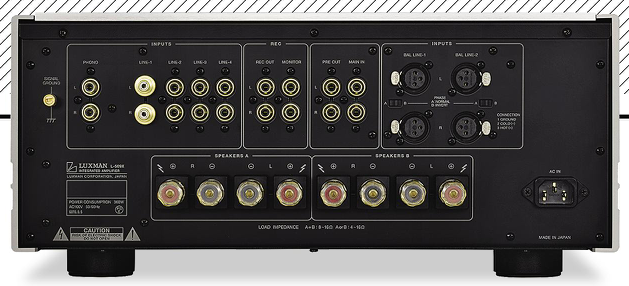
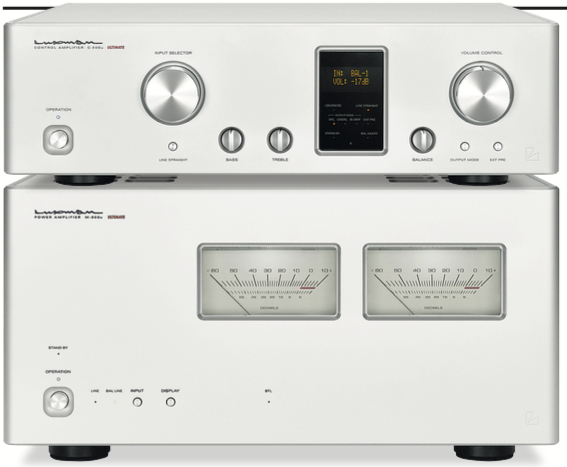
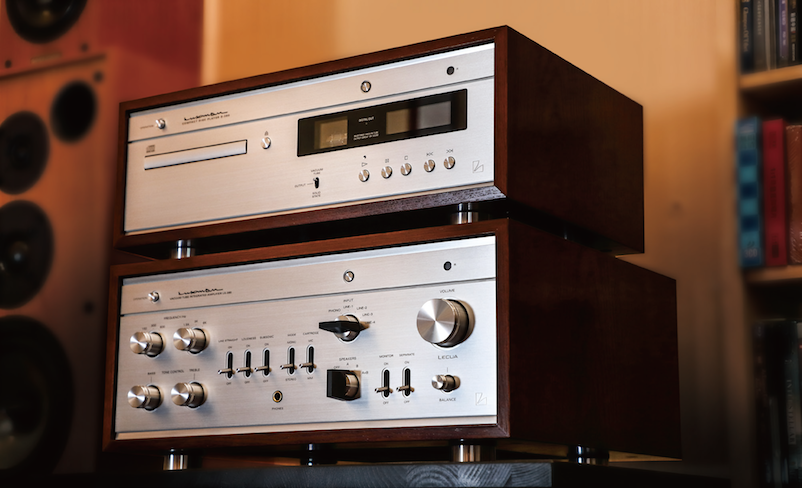
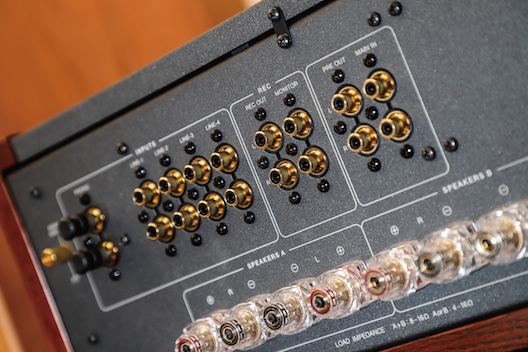
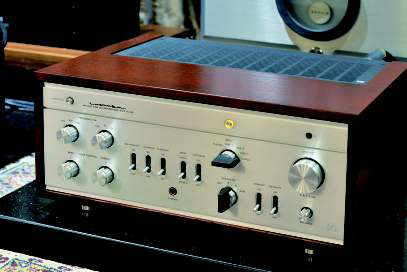
The star turn, as on all current Luxman amps, is the presence of the two illuminated meters, placed exactly front and centre, but the symmetrical layout of the substantial fascia is also highly pleasing, as is the attention clearly paid to the feel and weighting of the controls. There may not be the knowingly retro flip-switches of the wood-sleeved ‘Classic Series’ Luxman products, but even before you start using it in anger the L-509X has a sense of substance and total quality – luxe indeed. The design here is very much classic‘ preamp and power amps in one box’, with the two sections able to be split if required. And at heart this is a very simple amplifier, with none of that built-in DAC nonsense, let alone a sniff of a Wi-Fi antenna or Ethernet port – it’s resolutely analogue, with no more than four line-ins on RCA sockets plus two sets of balanced inputs, plus a switchable MM/MC phono stage.
‘The Mael brothers’ sound is an exercise in studied chaos’
HARD AS BRASS
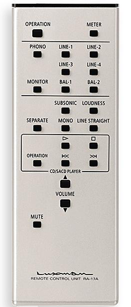
Record out and monitor sockets are provided, along with pre-out/power amp in – you could use the last of these to integrate the L-509X with an AV receiver or processor – and there are two sets of switched speaker outputs and a fascia headphone socket. The controls, though there seem to be a lot of them on the front panel (somewhat at odds with the ‘input selector, volume control and that’s it’ trend), are similarly simple. The input selector is one of the two beautifully precise knobs either side of those meters, while the identical-sized adjustments arranged below allow MM/MC cartridge selection, record out, speaker switching and tone/balance controls, bypassable using the ‘Line Straight’ button. Oh, and there’s a remote handset provided [see p39], also able to ‘drive’ a Luxman disc player – and turn off the L-509X’s meter illumination too.
The volume control bears the legend ‘LECUA’, which looks like one of those meaningless Japanese terms, right up there with Acura, Regia and Canter (the last of these an unfathomable designation for a range of trucks). In fact, LECUA is the Luxman Electric Controlled Ultimate Attenuator, here in its latest LECUA 1000 version, which controls both volume and balance with a system directly connecting the substrate of the attenuator and amp circuits to reduce noise, and offering 88 steps of volume adjustment. Other claims for this design include greater resistance to the effects of vibration, enhanced accuracy across the volume range, and long-term durability.
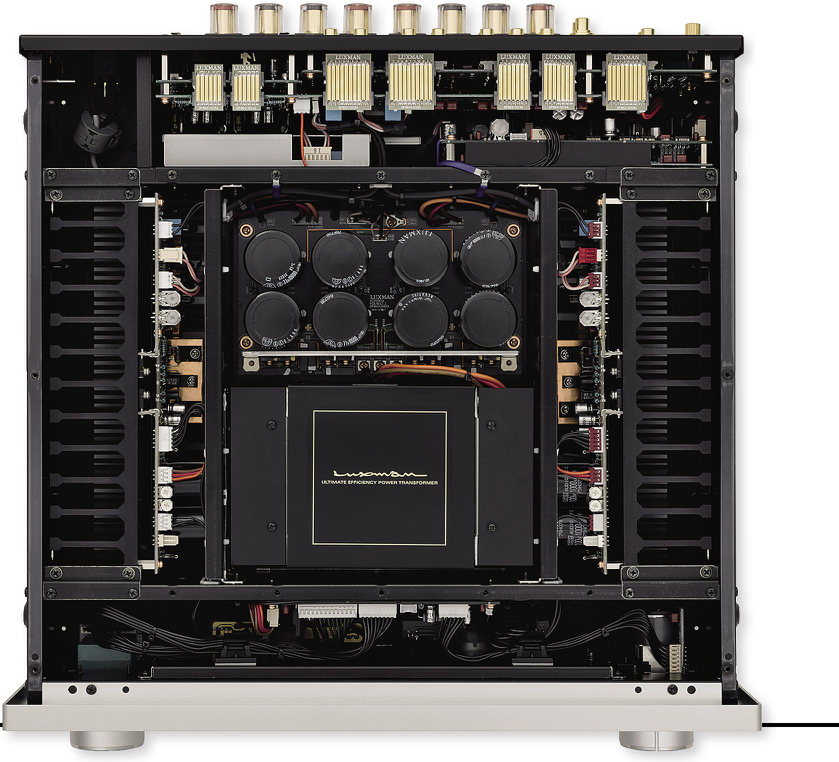
This system is inherited from the company’s C-900u flagship preamp [HFN Sep ’15], as is the buffering circuit in the preamp section, designed for optimal drive of the power amp stages. The output stage itself uses a push-pull configuration equivalent to that in the company’s M-700u power amp, and outputs through copper alloy terminals said to have the conductivity of copper plus the hardness of brass. The switched connection to the output stages is via high capacity/low resistance parallel relays and thick copper wiring to maintain the claimed high damping factor. The whole plot is sustained via no fewer than six independently rectified/regulated PSUs fed from separate transformer windings – even the protection circuitry has its own supply. The substantial 600VA transformer, Luxman says, is a ‘high inertia’ design ‘that does not shake even under load fluctuations’. Well, that’s all good, then. The vibration-resistance goes beyond that hefty, thick panel work in evidence in the ventilation grilles in the top panel, for rather than use fancy damping feet in exotic materials, the L-509X simply sits on massive cast-iron supports. Sometimes a little brute force is the best way!
SWEET AND EASY
Not that there’s anything brutal about the way this amplifier plays music. Give it a while to settle down from cold – as PM noted during his lab testing [p39], when set to play at a given output level the meters kick up a bit after a while of running, at which point the L-509X can be assumed to be cooking pretty well, and good to go. And the immediate impression is that, while there’s no mistaking this for an amplifier with anything less than ‘more than sufficient’ power under the hood, it sounds sweet, refined and entirely at ease, whatever the music you choose to play through it, and whichever source component you opt to use.
It’s not quite a ‘take no prisoners’ ultra-revealing amp of the brash and bright school, though the amount of information it delivers is frequently breathtaking, and it never leaves the listener with the sense that something’s missing. So however big and rich the bass may be it’s also entirely controlled, tight and rhythmic as well as having wonderful character. From the growl of orchestral double-basses in a spot of Wagner from the excellent overview of the composer’s work by Iván Fischer and his Budapest Festival Orchestra [Channel Classics CCS SA 32713; DSD64], all the way through to the snap and punch of Kyle Eastwood’s instruments on his recent In Transit set [Jazz Village JV570146; 44.1kHz/24-bit download], this is an amplifier fully able to convey instrumental textures and techniques.
What’s more, while the brass duo leading several of the Eastwood tracks can sound overly aggressive via some amps, the L-509X conveys them in fluid, attractive fashion without blunting either their breathiness or the metallic edge to the sound. In other words, it does excitement to spellbinding effect – just without the irritation. Even with a really dense mix, such as some of those on Squeeze’s The Knowledge [Love Records LVRCD004], this amplifier manages the impressive task of delivering the big, majestic wash of sound while still allowing the usual masterful lyrics and the individual instruments due clarity.
NO EXCUSES NEEDED
 The L-509X rewards both ‘lean back’ and ‘lean forward’ listening, not least because it always seems entirely in control of the speakers, with no sense of speed-impeding smear or overhang. Notes start sharply and decay realistically, giving a sound that’s both immediate and delivered with real presence. It’s a sound that even the wilful mayhem of the latest Sparks set, Hippopotamus [BMG 538279612], can’t catch out. Yes, the sound the Mael brothers deliver is an exercise in studied chaos, but even those falsetto’ish vocals are clearly audible in a track like ‘So Tell Me Mrs Lincoln Aside From That How Was The Play?’, which is every bit as bonkers as the title suggests. It may not be quite what the Luxman engineers had in mind when they designed the L-509X but the fact it works so well shows that their amplifier has wide-ranging capabilities beyond the breathy jazz of so many hi-fi demonstrations.
That said, when you do treat it to a demonstration-quality recording, such as Classical Opera’s lovely set of Mozart’s Il Sogno diScipione [Signum Classics SIGCD499, 96kHz/24-bit], the LX-509X’s warmth and vitality come together to create a truly exciting presentation, the soundstage broad, deep and detailed, the presence and ambience almost uncanny, and the dynamics so wide open that one could easily forget all the machinery involved between performance and the listening experience. This amplifier is no mere exercise in rose-tinted nostalgia, and needs none of those ‘ah, but in those days…’ excuses to be made. It’s simply special.
HI-FI NEWS VERTICT
Big, rich, sweet and totally controlled: sounds like something of a soft listen, doesn’t it? Yet the truth is that the L-509X is all of the above in a good way, and none of those in a bad: it simply conveys the music in a manner that always seems exactly as it should. Don’t look at the styling and expect all those clichés of amplifiers of yore – this is a bang up to date design, in both engineering and sound.
LAB REPORT
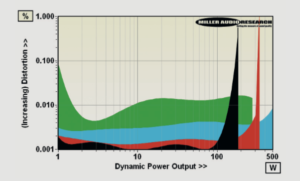
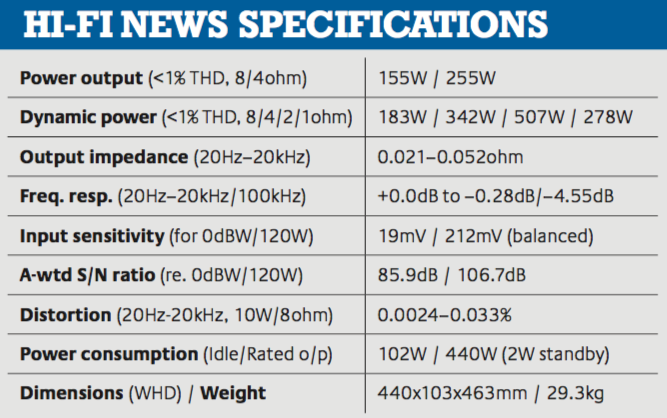
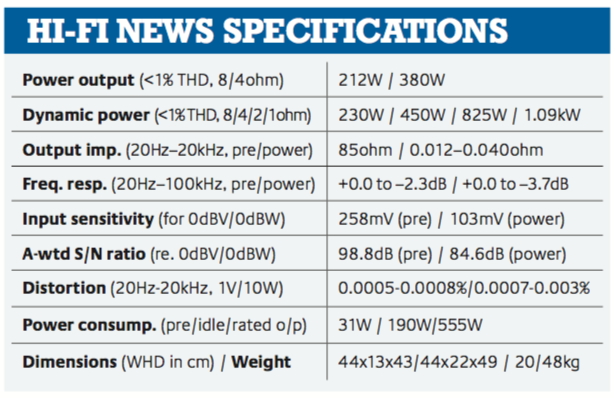
Power meters are always fun to watch and, here, are ‘calibrated’ in dB relative to full output. In practice the red ‘0dB’ point is pretty close to Luxman’s rated 120W/8ohm but, perhaps more importantly, a 10W/8ohm output is indicated at –15dB when the amplifier is cold and –10dB when it is warm… So treat the meters as decoration rather than a precise measure of level! Precision is the watchword in our lab reports, of course, and here it was soon clear that while the L-509X might look almost identical to the L-590AXII [HFN Apr ’16] its technical performance suggests a merger of the brand’s C-700u/M-700u pre/power [HFN Sep ’15]. Indeed, where the former racked-up a full 2x145W and 2x250W into 8/4ohm, increasing to 165W, 315W and 551W into 8, 4 and 2ohm loads under dynamic conditions, the new L-509X delivers a very similar 2x155W/8ohm and 2x255W/4ohm with a dynamic 183W, 342W and 507W into 8, 4 and 2ohm. With both the M-700u and L-509X, protection limits output to ~300W/1ohm or 16.7A [see Graph 1, below].
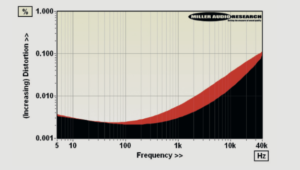
In similar fashion, the integrated L-509X has –1dB response limits of 3Hz-42kHz (–4.6dB/100kHz) while its 0.02ohm output impedance, rising to 0.05ohm/20kHz and 0.43ohm/100kHz still encourages a slightly earlier roll-off into tougher loads. Distortion is also very low at <0.002% from 20Hz-1kHz before rising gently to 0.03%/20kHz (all at 10W/8ohm). Where the L-509X scores, however, is in maintaining this distortion trend with increasing output, so THD is 0.0025% at 1kHz/1W, 0.0026% at 100W and 0.0034% at the rated 120W. Meanwhile, bearing in mind its high +43.4dB overall gain (balanced input), the A-wtd S/N ratio is a solid 86dB (re. 0dBW) while separation is >80dB midband. PM
From HiFi News

 既然明白到音響架上的器材,是無法避 免從喇叭傳來的聲音能量轉化而成的震
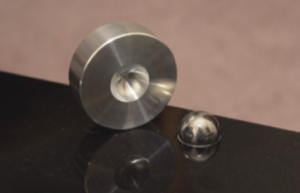
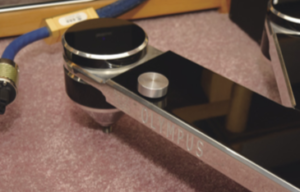 CMS 為了承托 Filter System 層板而設計的音響承架當然也不會掉以輕心,相反,這些承架的設計與選用的物料是經過精密計算,並且參考彈性模量(Elastic Modulus) 和幼棒音速 (Thin Rod Speed of Sound 聲音能量在幼金屬棒內的傳遞速度)的數據才拍板決定。CMS 承架的水平支撐與多層承架的支柱,都是採用純度高達 96% 至 99% 的鋁合金製造,EM 為 64GPa,傳遞速度約為 5014m/s。釘腳、釘墊、放於器材機腳底部的墊片與鎢珠承帽是用純度高達 99%的鈇合金製造,EM 為105GPa,傳遞速度約為 5090 m/s。作為耦合承架與層板的圓珠用碳化鎢合金製造,EM 為 550GPa,傳遞速度約為 6220m/s。承架的內部也採用一種較軟的金屬作為阻尼物料,它的 EM 為 117GPa,傳遞速度約為 3810m/s。我訂購的單層 MAXXUM 層板採用大型的鋁合金x承架,
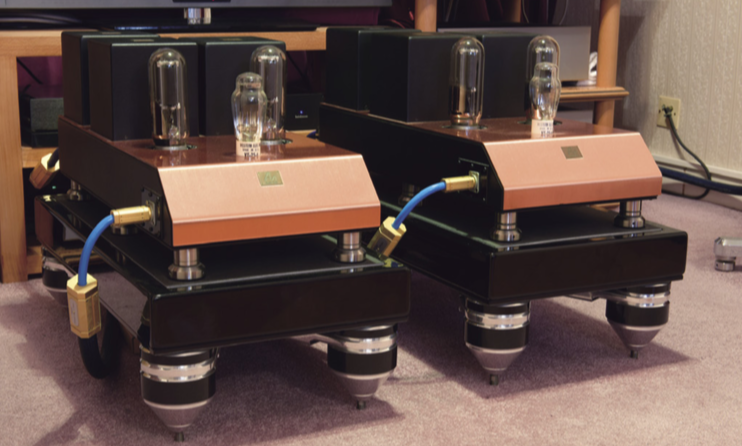
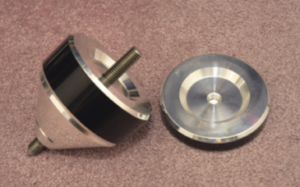 配上4隻大型重量級釘腳腳座,放上我的Gaku-On單聲道後級之後,不但在外觀上帶來穩如泰山的感覺,實際聆聽音效更令一眾寫手兄弟和我驚訝得目瞪口呆,因為使用前後的分別之大完全超出我們的想像(我原來是使用特別訂製的2吋厚實心黑檀木板配不誘鋼釘錐!音樂的訊息聽得更多細節,能量感大幅增強,音場的結像紋風不動,人聲和樂器的線條更加立體鮮明“耳聽為憑,Joseph 和 CMS 開發團隊的設計理論與產品的效能完全能夠對症下藥。最令我感到驚喜的是;雖然我們都知道膽機對於諧振非常敏感,
 但今次只是單單換上這兩塊承放 Gaku-On 後級的承架和 Filter System 層板,便已經可以明顯提升草廬整套組合的音效和層次,實在是超出我的期望。經過幾年光景, MAXXUM 承架在草廬的地位仍然穩如泰山,直至今年 (2017) 年中……
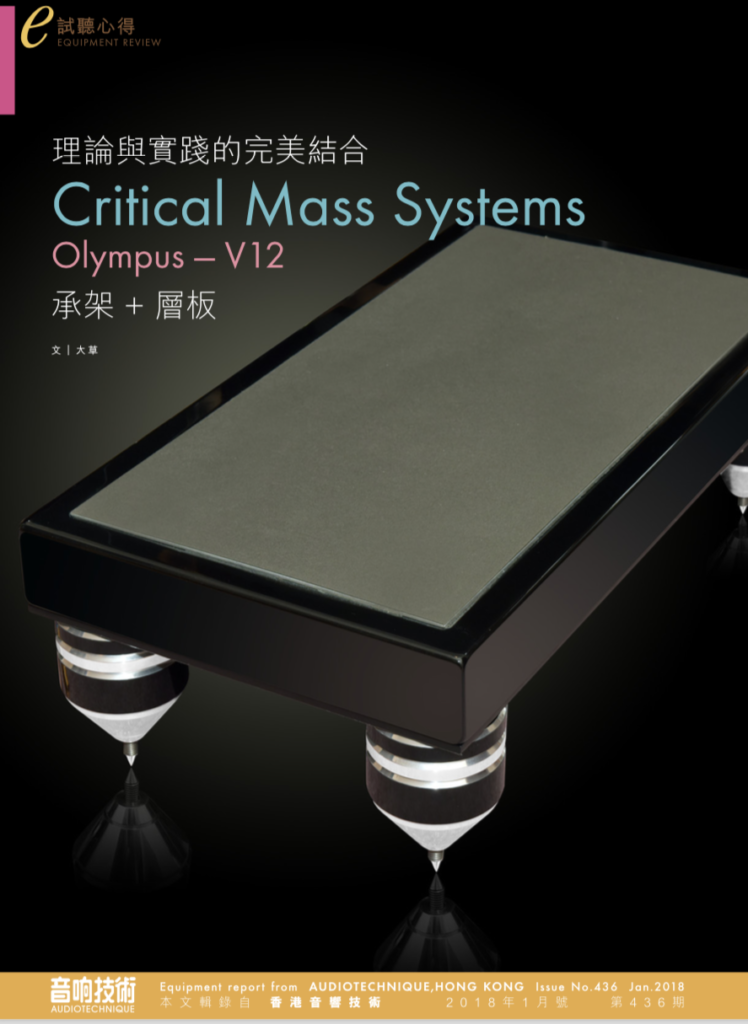
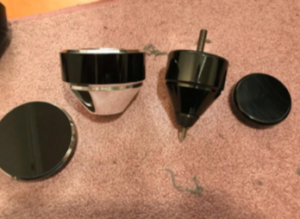 經過累積長達17年設計層板和承架的深厚經驗,Joseph 決定不惜工本開發一個效果完美,比 MAXXUM 更高階的新旗艦系列Olympus一V12,並且在今年的慕尼黑音響展作全球性首展。外觀上,Olympus一V12 音響架的支柱,x形水平承架與及釘腳腳座比起 MAXXUM 更大更粗壯,而層板的厚度卻是相同的3吋,外表也看不出有什麼明顯的分別,不過製作工藝的精緻度和打磨的滑溜光亮度明顯更勝一籌。Joseph 以充滿自信的姿態向我推介 CMS 的新旗艦,他表示 Olympus一V12 的 X 承架,多層承架的支柱,鎢珠,墊帽,墊片和釘腳腳座採用的金屬材料和它們的物理特性,是與 MAXXUM 完全相同,只是承架的x橫袒更潤更厚,支柱和腳座的直徑也由3吋增大至4 吋,換句話說承架有更重質量便會更加扎實和更穩固,好處顯而易見,但另一方面傳導能量的幅度則會更大,所以層板的設計要有更強的消震效能和更有效率才可達致預期的全面性效果。Olympus一V12 層板的外觀雖然看似和MAXXUM 相若,但其實內裡設計已是大幅補強—承重量仍為110公斤,特製彈性體夾層同樣厚2.5吋,但上層阻尼層的三文治結構增加至 27層,下層阻尼層的三文治結構則增加至18層!頂板和底板的結構則沒有改變。Joseph 聲稱 Olympus一V12 層板的阻尼能力是 MAXXUM 的兩倍,而且沒有任何負面影響!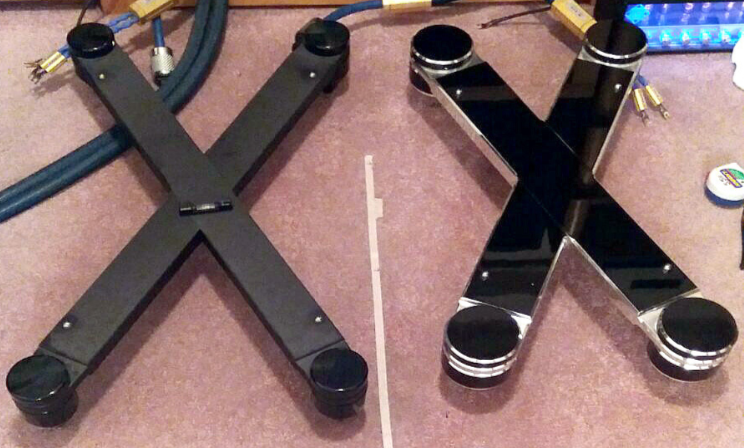
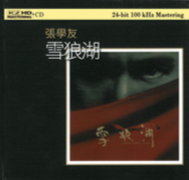
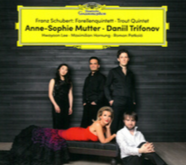
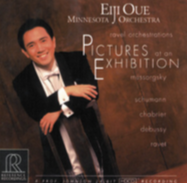 因為我清楚聽見小飛俠彈奏的鋼絃結他,不論是勾、是彈、是掃,演奏的力度,按絃手指的跳動!絃線的發音與顫動的餘韻,琴箱的共嗚與豐滿的泛音,學友演唱的咬字吐音,喉底的顫音,運氣的呼吸吐納,掌握歌曲的抑揚頓挫與及唱功的發揮,真的再多很多極細微,以前若隱若現的細節,動態對比更明顯,微動態更清晰,是這首歌曲在草廬的一次最佳演繹!播 Anne- Sophie Mutter 的嶄新錄音 [鰾魚五重奏」,哇!鋼琴、小提琴、中提琴、大提琴和低音提琴五件樂器在流暢地對答,在互動,樂器的音色條理分明,線條清晰,而且在音場內分佈的位置有條不紊,清清楚楚,就像在我眼前演奏一樣,聲音的像真度是前所未有!重播 RR 大植英次的「圖畫展覽展會」,樂團的能量感更盛,氣勢更加澎湃,但樂器的音色卻更加細緻,線條更清晰。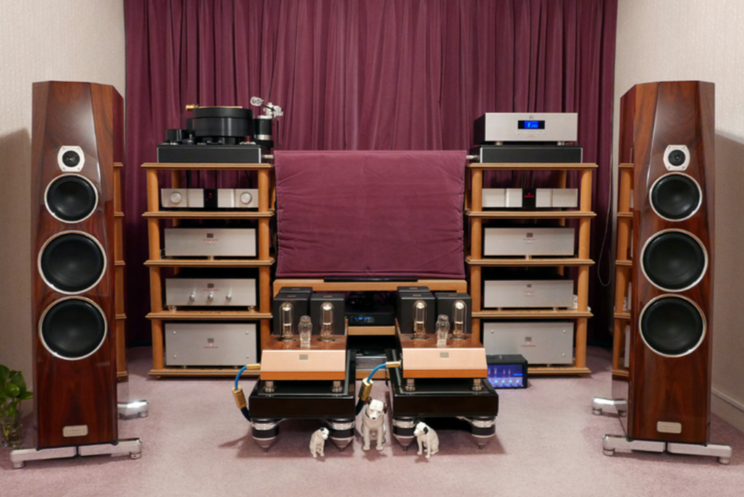
 自從購入KEF LS50 追夢 BBC LS3/5a 后,我發覺這款由 “LS3/5a之父” 以現代技術概念打造的“替代品”,竟然有著青出於藍而勝於藍的“升華”表現。隻是大概一個星期的“文火慢煲”, LS50 的聲音就較全新的時候有脫胎換骨的發揮,尤其是頻寬延伸的順暢性、中音的通透感和音場的開揚感等方面都有突破性的改善。而到了兩周的時候,這對依然散發著濃郁新箱味道的 LS50 的低頻能量感漸漸釋放出來了,而同時 UniQ 中高頻的細節和堂音也更幼細更豐富,聽感上仿佛音箱比全新時長大了一點。
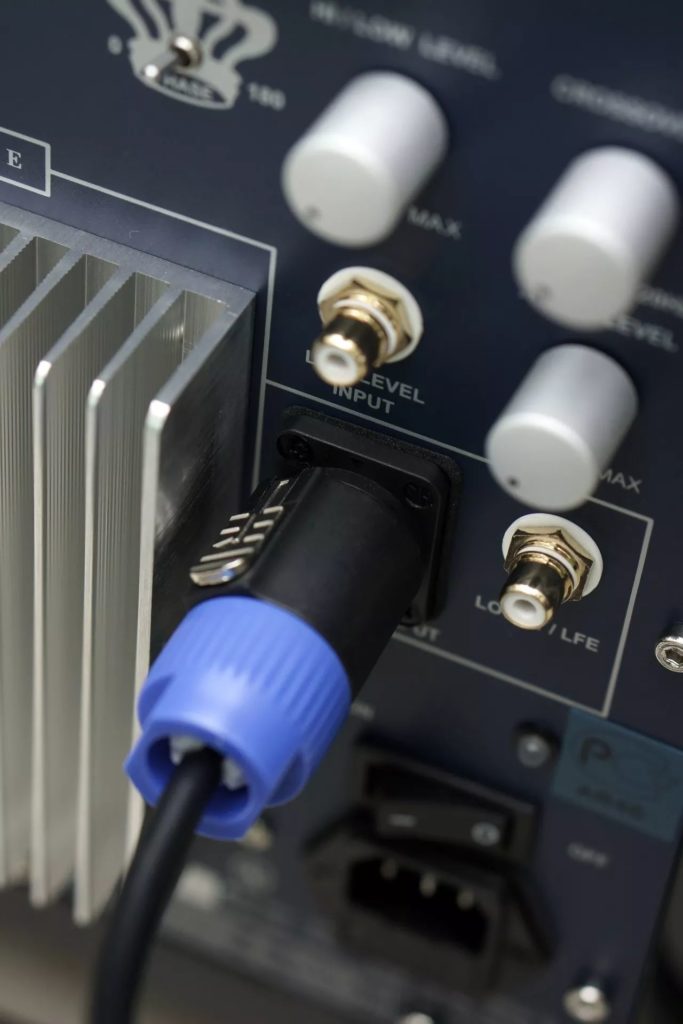
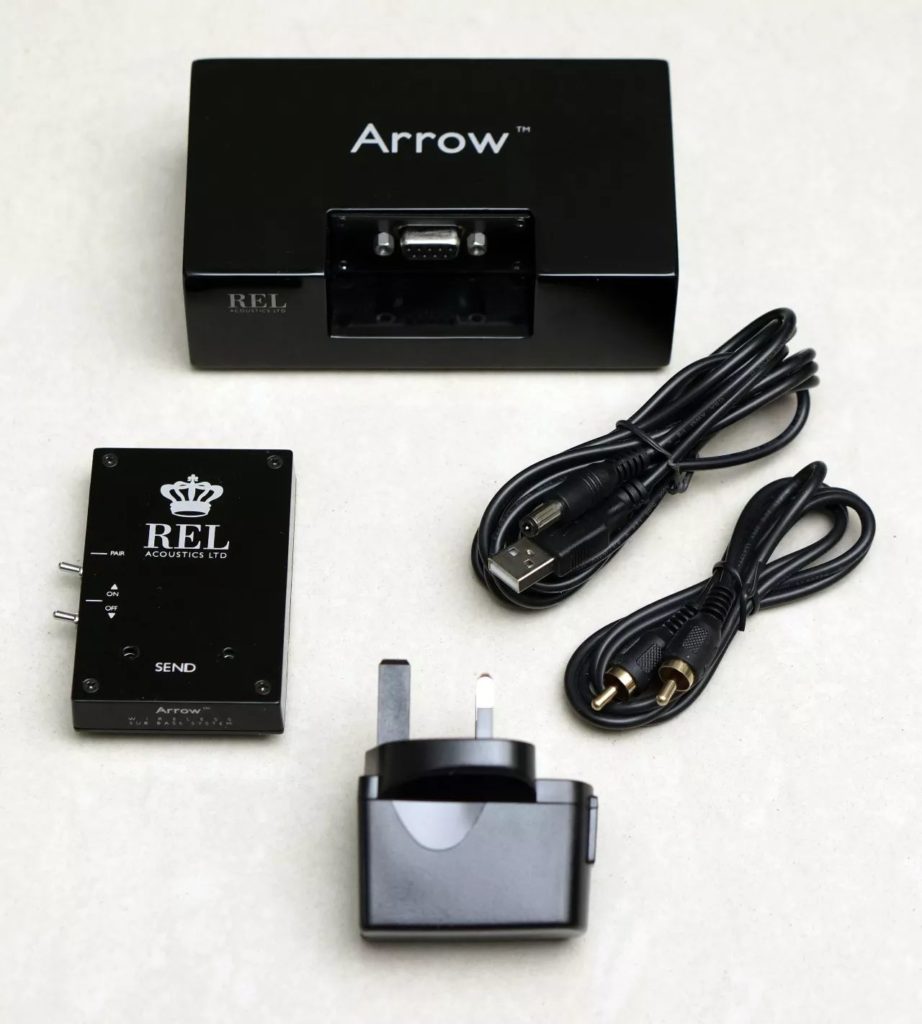
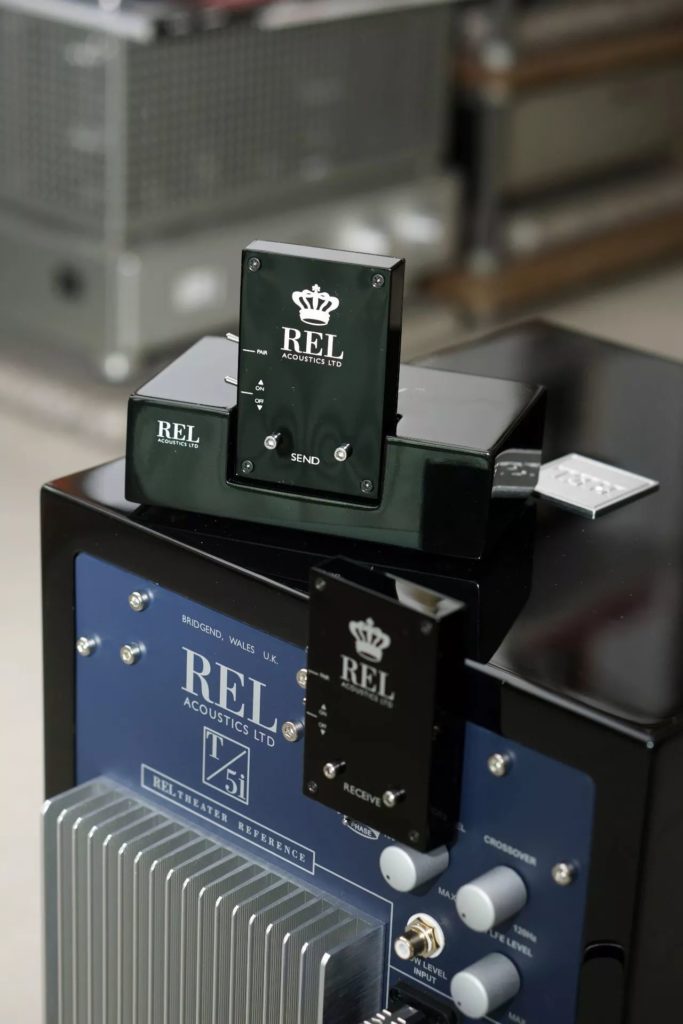
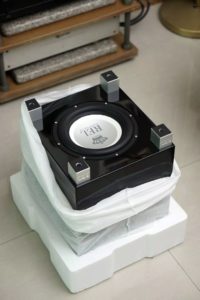 在代理商的官網上,查到 REL 幾乎全系列的超低音音箱都提供了多種連接方式,除了常規的低電平LEF輸入之外,還有可以連接功放喇叭輸出的高電平輸入,這視乎正中我下懷,因為我用的麗磁 211 合並膽機和藝術家作品一號合並機都沒有前級和超低音輸出,如果隻有低電平輸入的超低音,可真的沒有辦法接入到組合裡,有了高電平輸入可就不一樣了。在深入查詢,發現 REL 還一種宣傳無線傳輸的概念,這是怎麼回事呢?原來是 REL 提供選配的無線傳輸組件,發射器連接到信號端,接收器安裝在超低音音箱上,從而擺脫了線材連接帶來的擺位限制。也就是說,無論將超低音音箱擺在哪個位置,都無需顧慮走線的問題。這個功能太吸引人了,要知道,在家中找合適的地方安置超低音本來就不是容易的事情,假如接線還得有礙觀瞻那太座是完全無法接受的。
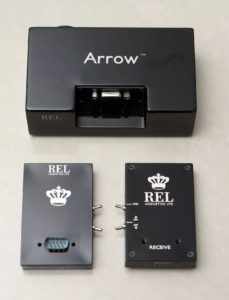 於是,一不做二不休,在向經銷商咨詢后,訂購了 REL T5i 超低音音箱和一套ARROW 無線連接器。為什麼選T5i呢?主要還是考慮體積不能太大,而且同樣採用金屬振膜喇叭單元能夠和 LS50 銜接得好,畢竟我的環境也隻有 20 平方,這個型號使用8吋喇叭,經銷商表示 T5i 已經可以輕鬆滿足我的要求了。而且,選擇小尺寸超低音還有一個好處,現在玩 2.1 其實是一個感受全頻重播魅力的開始,那就是以后要求更高的話,可以多買一隻組成 2.2 系統。我想這種循序漸進的玩法一來自己調校起來比較好掌握,二來太座不會一下子見到新添的兩個超低音而皺眉頭(發燒友的不容易,你懂的)。
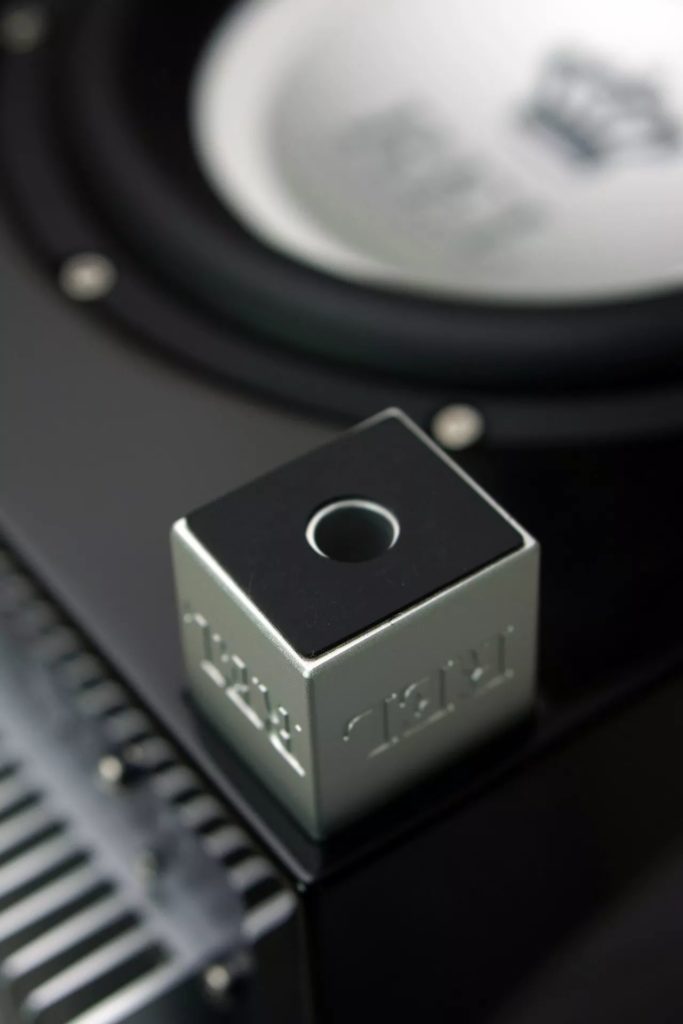
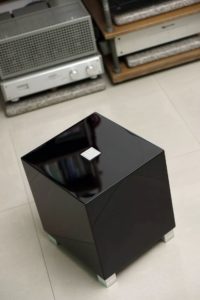 用上 T5i 后,當然是經過大概三天的煲練后再作細致的分頻點銜接和音量的調整,此刻超低頻的補足令音樂重播改善是立竿見影的,LS50 仿佛一下子從小個子長大成壯健的成年人,面前的“小盆景”立即變身大森林,聲音密度感變得更飽滿厚實,人聲和樂器的結像形態都更扎實健康,原本有些聲像僅是針點式的形態,一下子就塑造得更具立體感和真實感。我喜歡聽的鋼琴,那低音區厚重的能量終於能夠完整重現了,演奏級三角鋼琴的線條結像來得相當立體又從容。而重播交響樂呢?用與不用T5i的變化是不可逆的,音場規模感更龐大的同時,音場內的密度是大幅提升的,因此弦樂聲部的規模和層次感都能完整呈現了,大提琴和倍大提琴聲部的改善尤為明顯,用上T5i的寬厚從容,令音樂重現得穩健而完整,哪怕是大動態的強奏都有穩若泰山、巍然挺拔的氣勢。在T5i的協力下,LS50的表現更如魚得水,融合了傳統英國BBC式的柔美飽滿中頻和寬厚從容的超低頻后,從此就可以安心發燒了。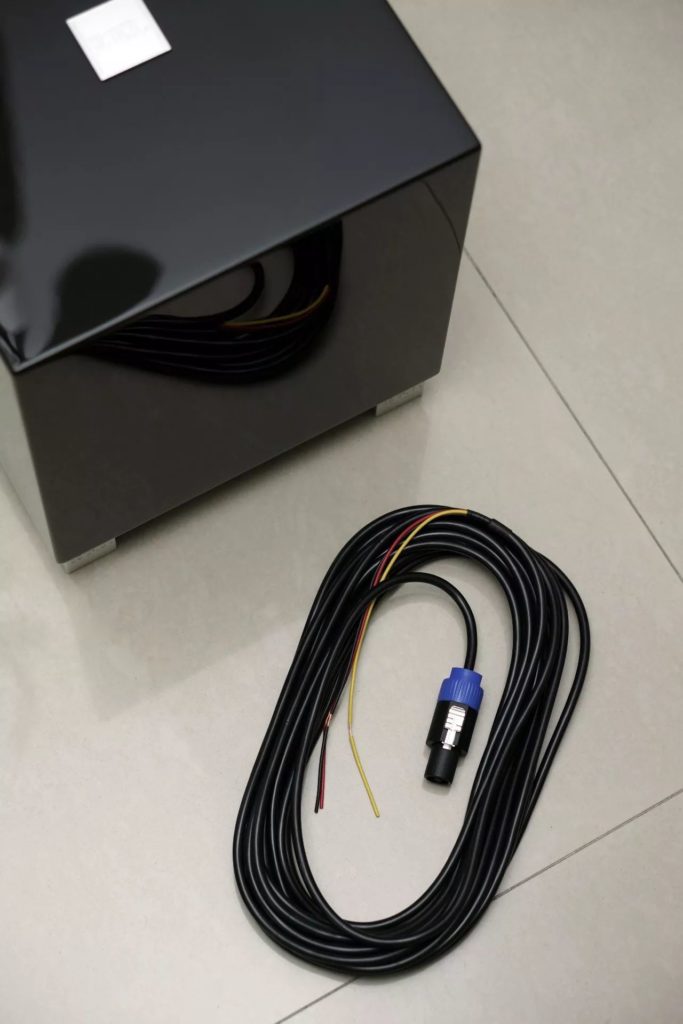
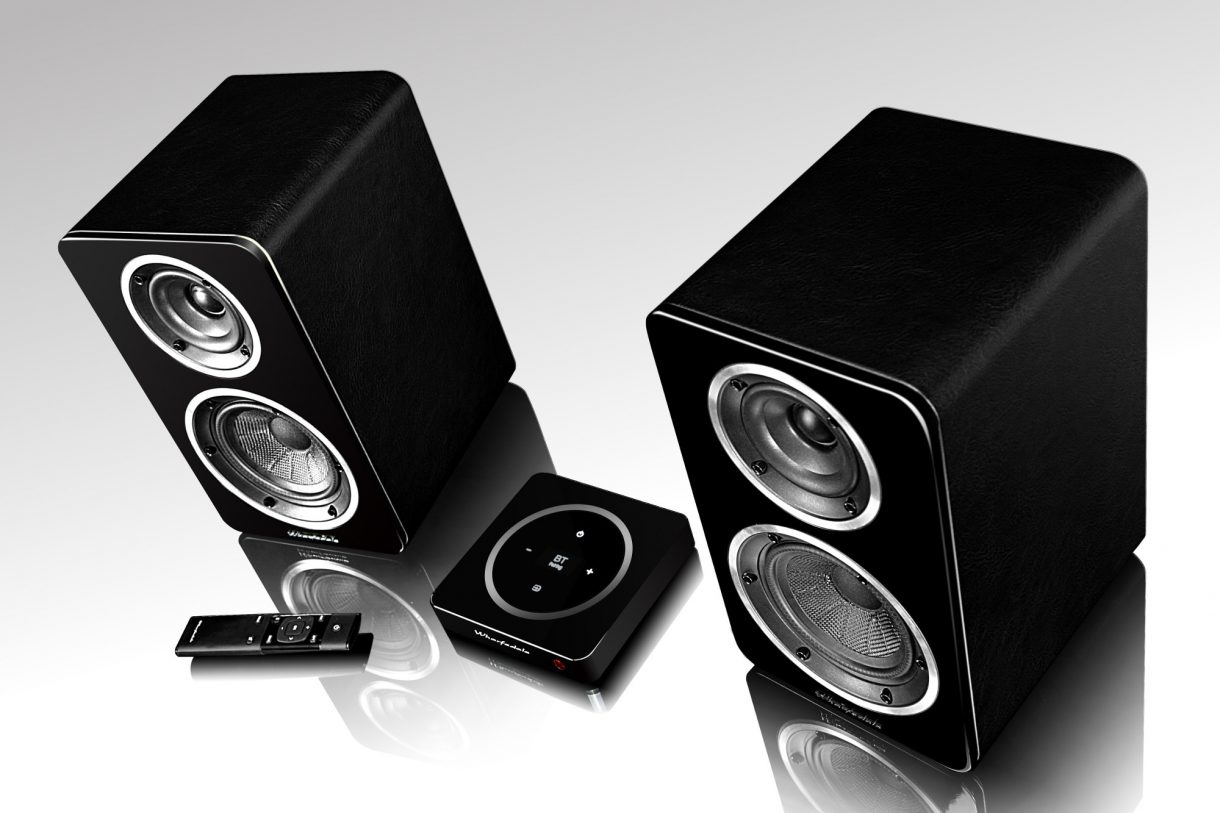
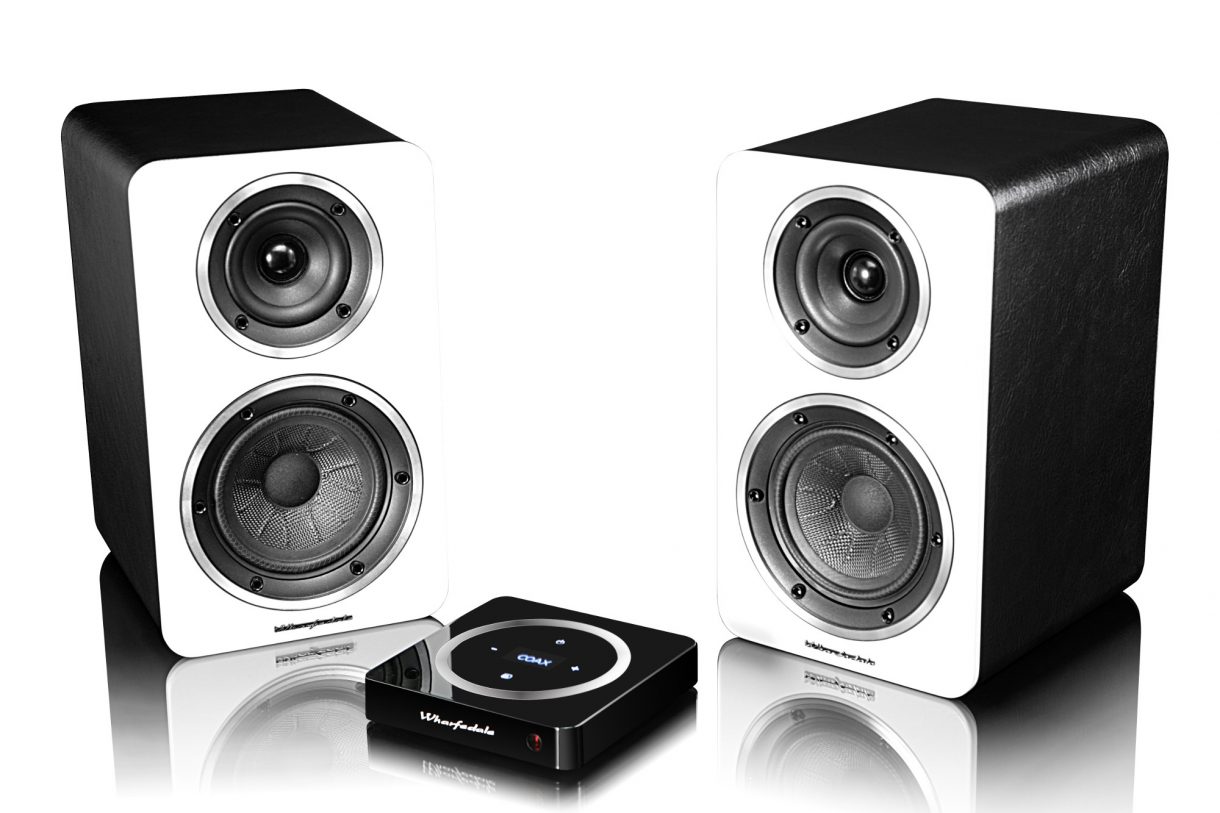
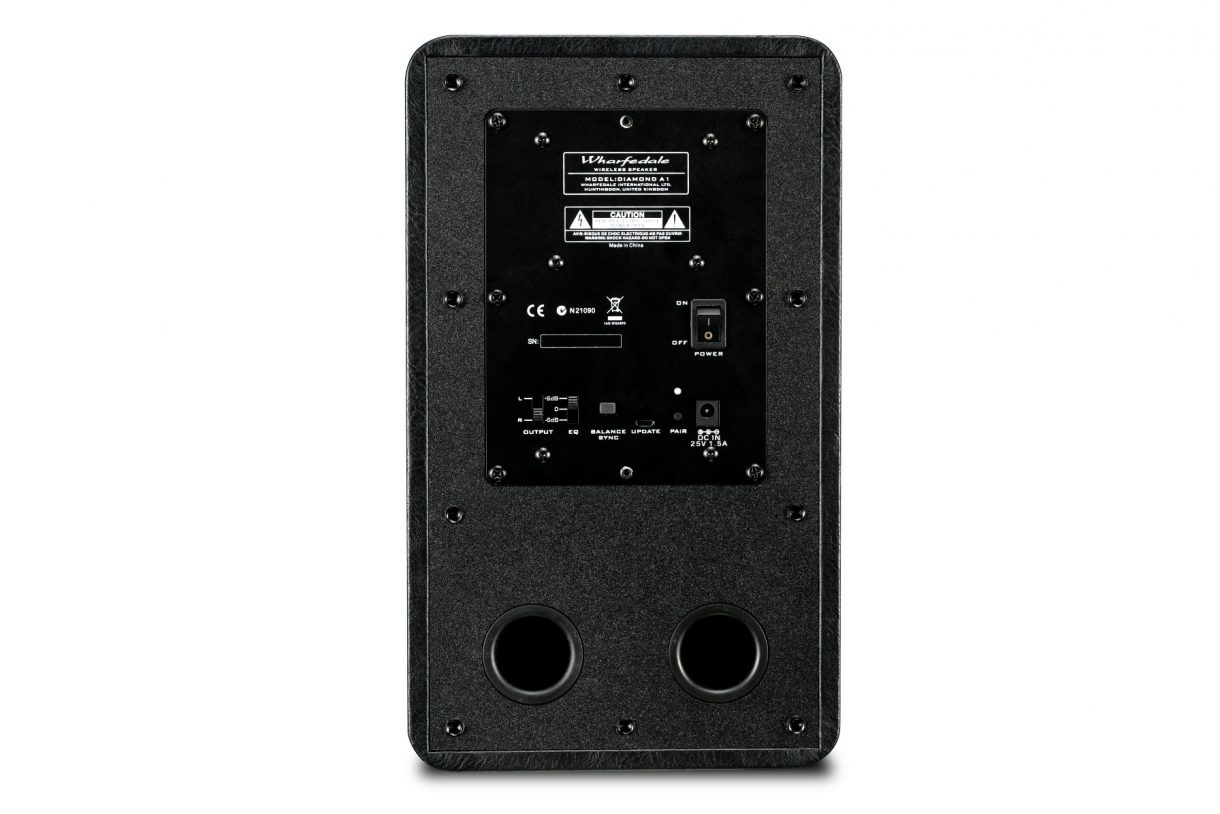 Mounted into the baffle of each is a 130mm mid-bass driver and a 25mm fabric dome tweeter, driven by 50W of internal amplification. There’s no slave and master here, with both speakers having their own power – they’re identical, and each has a switch to designate whether it’s the left or right channel.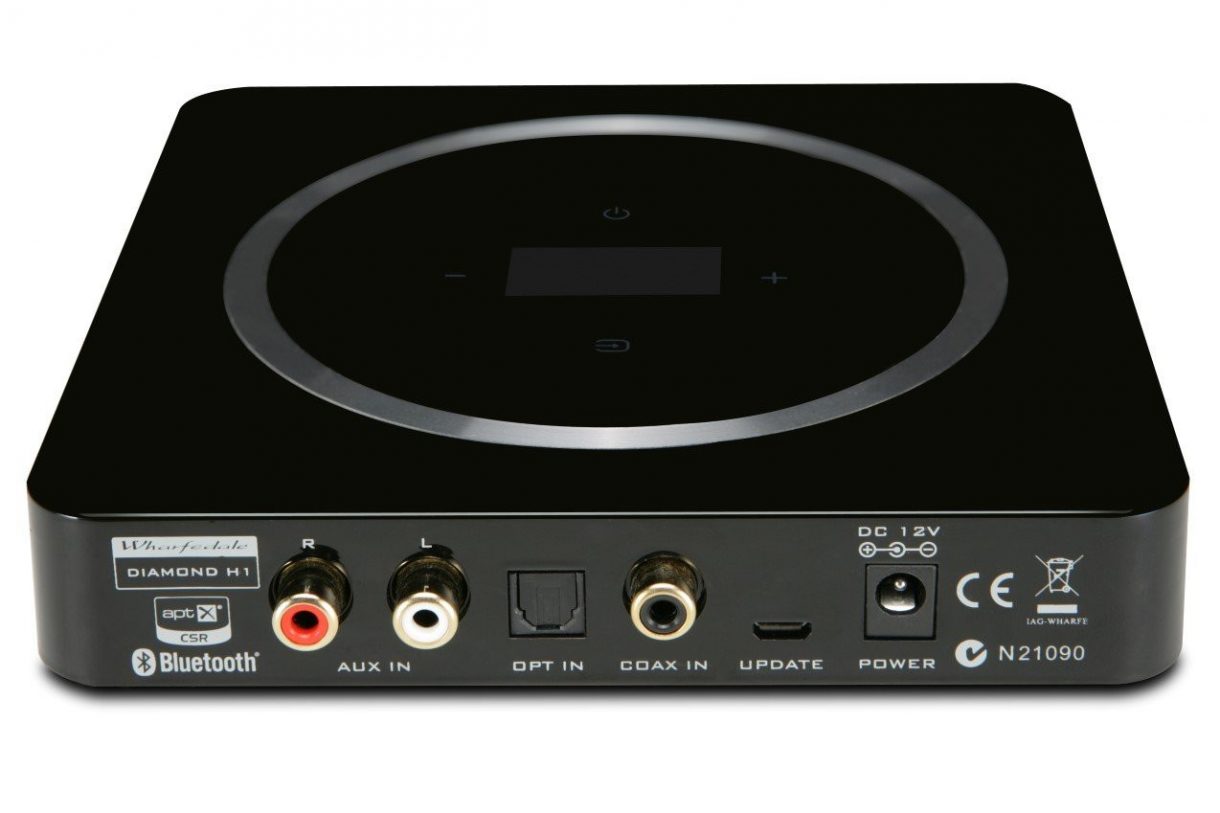

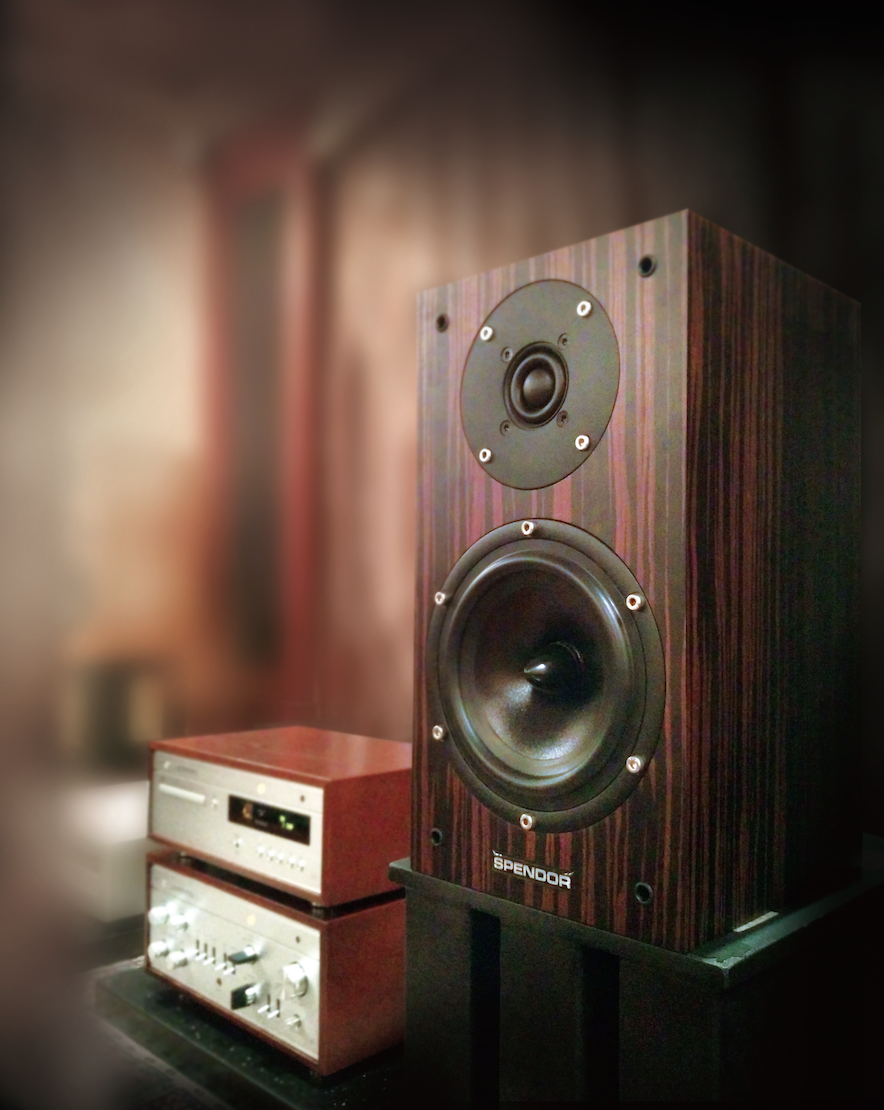
 換上 Jheena Lodwick 珍娜演唱的《You Raise Me Up 你鼓舞了我》,試試這套膽機驅動小書架箱組合重播人聲的效果。理論上這套組合重播的人聲可有極高水准,事實上也是如此,我曾採訪過某著名音箱設計師,他說要重播好人聲,就該選擇人頭大小的音箱,3/5R2 SE恰恰就是極具代表性的作品,而LX-380所用的6L6 電子管也同樣以超卓的中頻韻味著稱於世。預設,這套組合重播的人聲溫潤感情豐富,音質細膩飽滿,用網絡潮語說就是:“毒”,令人全身酥軟,無法抵御的“毒”。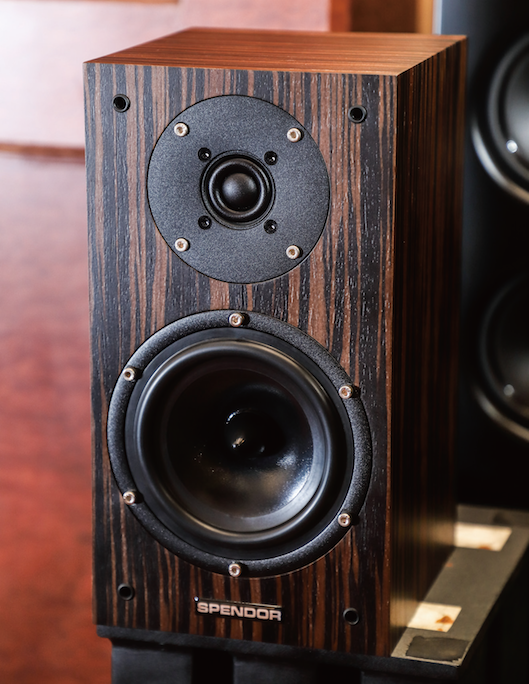
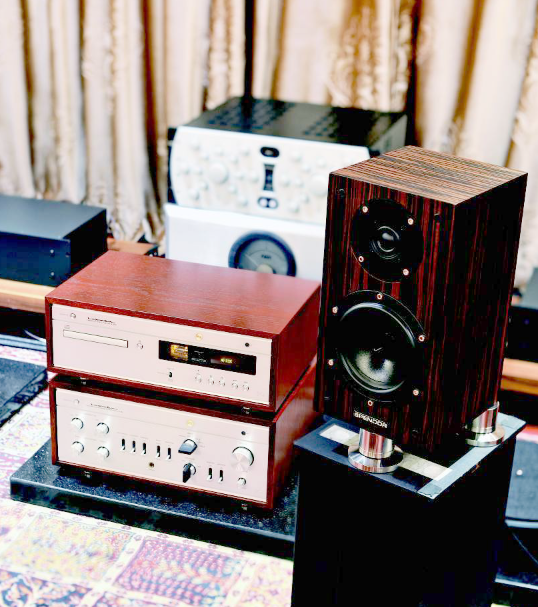
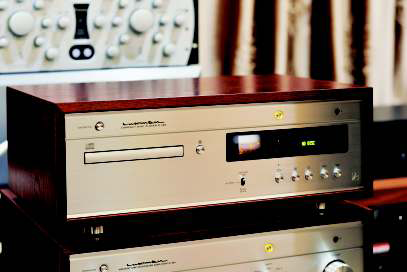
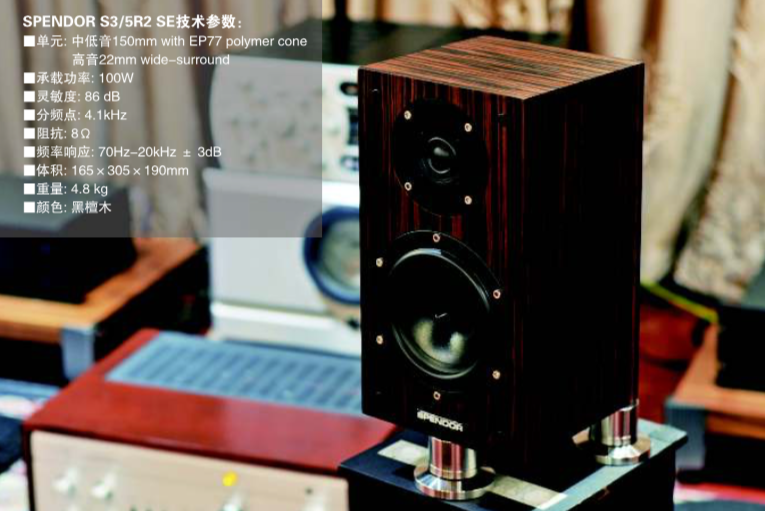 第二次看到 S3/5R2 SE,我已經不再探討它了,包括它的設計、用的喇叭,還有背后的故事(想了解 S3/5R2 SE 的朋友可以翻閱今年本刊8月刊的測評文章),這次我隻想做個忠實的聽者,而它就是演奏家或者是歌唱家。第一次它並不是眼前的搭配,而是機身纖薄的朗泉 EVOLUTION 100CD 播放機和 EVOLUTION 100A 合並功放,這一套顯得很清秀,如果放小居室再放置些CD專輯裝飾一下可以增添不少音樂元素,能看也能聽。S3/5R2 SE 和朗泉的組合其實絕對滿足筆者的要求,但是聽了 S3/5R2 SE 和力仕 LX-380 膽功放的搭配之后,筆者有了移情別戀的可能,到底怎麼回事容后再敘吧。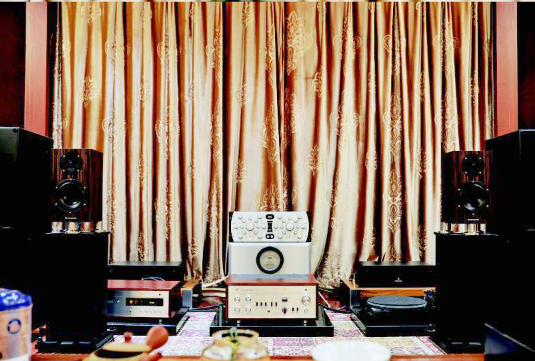
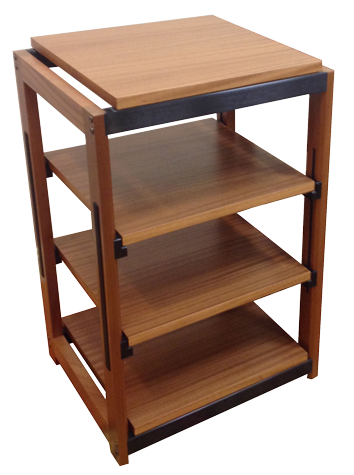 CMS Sotto Voce racks are not just vastly less expensive than the rm’s state- of-the-art efforts; they also offer comparable performance in a more tradi- tional and appealing package. The frame and shelves are made of gorgeous Sapele African hardwood (natural or optional black nish) with sturdy metal connections milled from billet aluminum. The sonic improvements are not subtle—bass tightens, transients gain more verve yet maintain better control, rhythms sharpen, and low-level noise plummets. It’s that last factor that opens the soundstage and is key to the SV’s remarkable ability to elicit dimensionality from a recording. Fully upgradeable to accommodate CMS’ upscale array of “ lters” (they replace the stock shelves but are mechanically far more com- plex). The lters provide further noise reduction, while the “purity quotient” takes a sizable jump. Available in three heights, the tallest, at 38″, is a four-tier unit that offers 10″ spacing out of the box yet is easily adjustable.
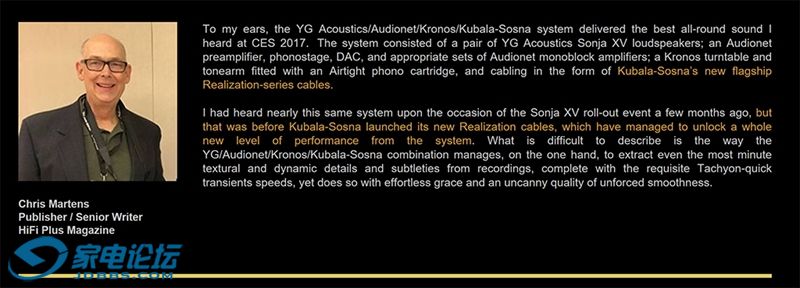
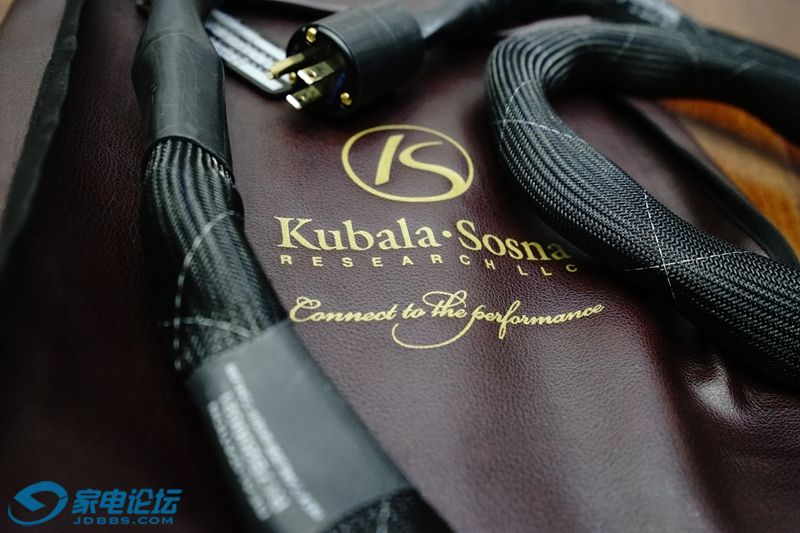
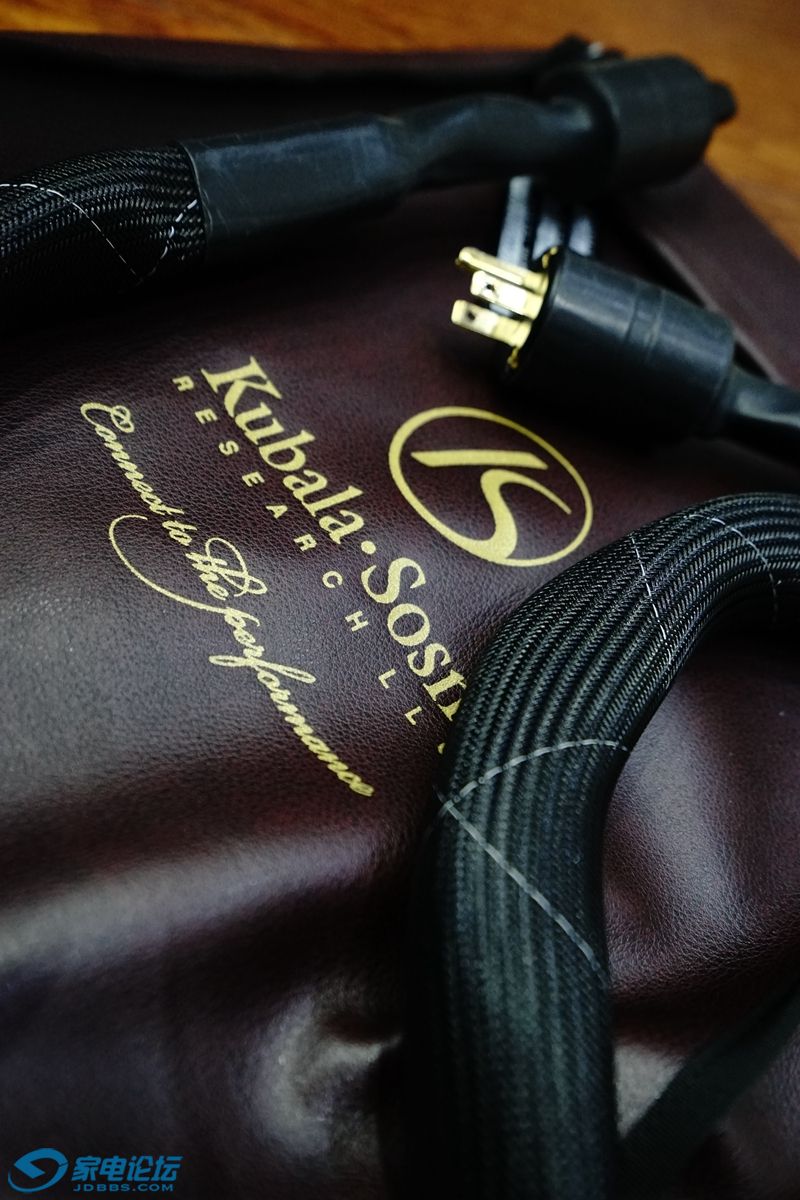
 Realization 接入高文 CD機 ,播放 Philips 出版的內田光子 Mozart 鋼琴奏鳴曲,換下音樂絲帶Ruby Mountain II 電源線,同是 Mozart Sonata in C,K.330,Allegro Moderato 表現 Ruby Mountain II 略顯遲滯,由於 Ruby Mountain II 的設計並不側重聲音均衡性,在反應 K.330 這首作品時,略顯老氣,缺乏童真的歡樂。Realization 的接入完全改變局面,它的音符連續性緊湊,鋼琴的高光澤部分極低染色,相較 Ruby Mountain II 則更側重琴板的共鳴,而缺乏對觸鍵靈動感的表達。另一方面,Ruby Mountain II 厚度有些過,則 Realization 在密度扎實的情況下,反映出內田光子輕盈的觸鍵感。按說高文 CD 機本身聲音走中高頻清秀路線,接入 Ruby Mountain II 會對高文的中低盤有所補充,在 Realization 的比較下,方才發現這種組合離完美差距有多麼大。
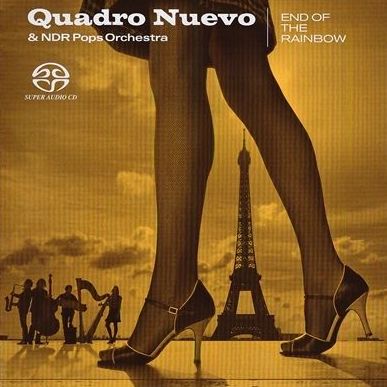 Quadro Nuevo 是1996年成立的德國四重奏樂團,屬於歐洲的新派爵士樂團,2015年發行一張與北德廣播流行管弦樂團合作的跨界爵士現場專輯。這張唱片除選曲為膾炙人口的經典作品外,最重要是他結合管弦樂團的形式打破傳統爵士樂編配方式,是一部氣勢宏大的爵士樂現場錄音專輯。也是非常考驗音響系統音場比例的一張專輯。因為樂團主角 Mulo Francel 演奏薩克斯的音色太過搶眼,如果音響系統平衡性與音場並非最佳,Que Reste-T-Il De Nos Amours 這首歌曲中Mulo Francel會搶掉手風琴的位置,兩件樂器會在龐大的管弦樂團伴奏中混為一團,實際在沒用 Realization 接入 CD 機之前,我也有懷疑是否是錄音本身問題,但是作為德國發燒名廠 GLM 絕不會犯這種低級錯誤,因為這會讓聽眾混淆兩件樂器的發聲位置。我很驚訝 Realization 會讓 Mulo Francel 的位置略微提前,這時就更清晰的感受到手風琴的位置。原來 Mulo Francel 與他有一段非常美妙的音樂對話。該專輯中還收錄一首改編自古典吉他的名曲《Miserlou》舞曲,是一首節奏輕快的希臘風格音樂,如果你的音響系統表現這首《Miserlou》舞曲,既無歡快也無美感,我還是建議用一下 Kubala-Sosna 的 Realization 電源線,會有很大的改觀。
 反反復復試過幾張碟后,發現 Realization 並不像 Ruby Mountain II 電源線那麼容易被發覺線材自身的特點,那種線纜固有的染色在 Realization 中徹底消失,而它帶來的質感提升卻是實實在在的。採用 Realization 電源線並不難於器材相互匹配,因為無論用在哪個環節,他都不會突出自己。一條好線的作用就是幫助系統來彌補丟失的信息,那些原本在線纜傳輸中不應損失的音樂信息。經過幾代改良升級后的 Kubala-Sosna,更加接近理想中真實傳輸。也可以將一些味道濃郁的電源線用在音源,功放選擇Realization,如此做 Realization 會在原有的線材風格上突出其更為鮮明的特點。我在用R uby Mountain II 給音源,Realization 給功放時,播放相同曲目,其風格表現出siltech的特性,樂器質感卻要比用兩條 Ruby Mountain II 還要鮮明。當然用Realization 這個級別與 Ruby Mountain II 比較並不公平,Realization 的售價是:3萬左右。不過現在用2條 Realization 將會是很完美的升級。我本人更喜歡將Realization 用在音源,那純淨透明且質感飽滿的特質,其他品牌真的難以替代。